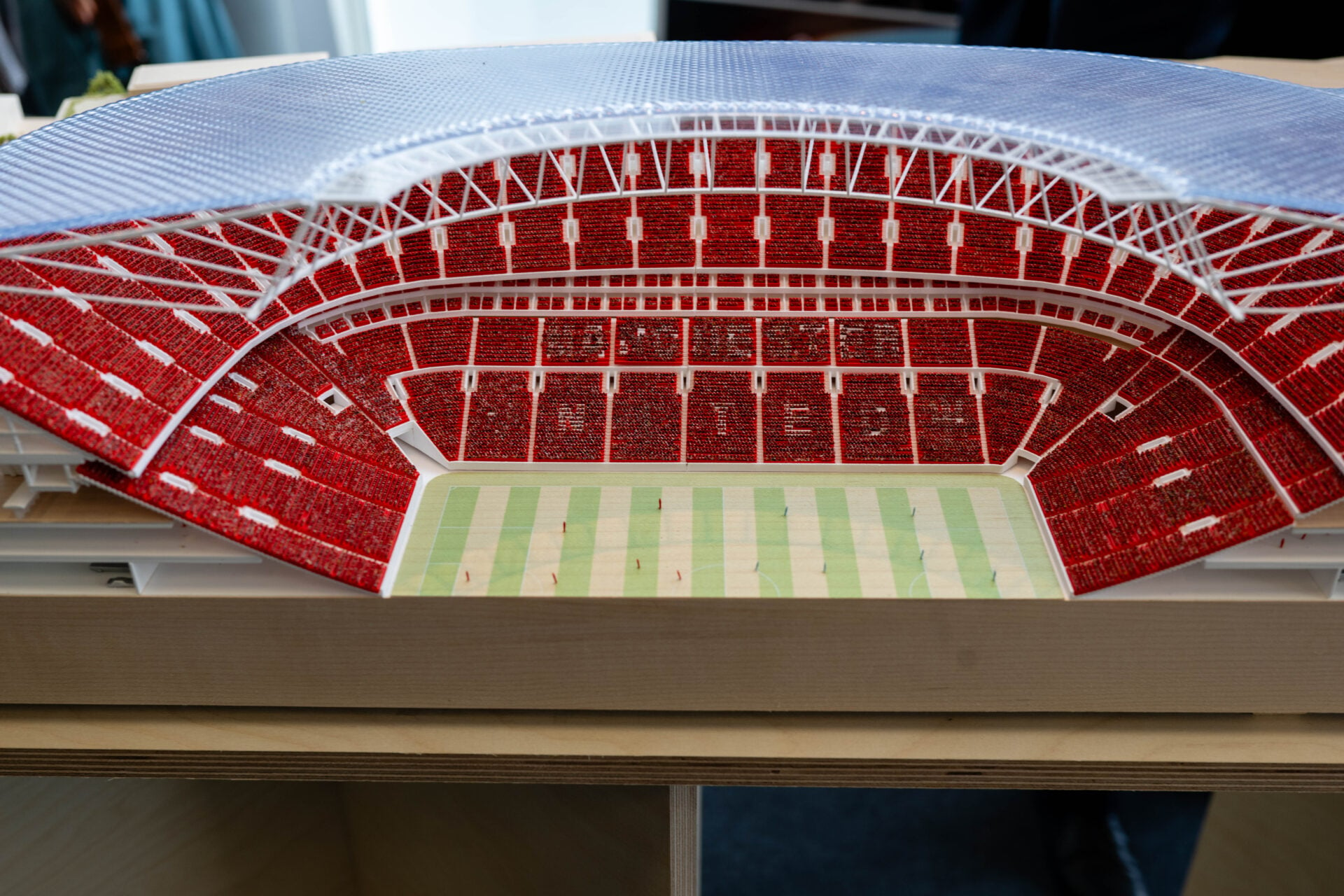

Manchester United are forging ahead with plans to build a new stadium capable of accommodating 100,000 fans on matchdays and millions more throughout the year in concerts and other events.
Last week, the club announced that it had acquired a 25-acre site which is crucial to their ambitions.
And while it is unlikely that shovels will be in the ground any time soon, it is the biggest win for Collette Roch, United’s CEO of New Stadium Development, in many months.
The most recent timeline the Red Devils provided in terms of the ribbon-cutting ceremony suggested Old Trafford 2.0 could open its doors in 2035. But even accounting for the fact that massive infrastructure projects almost invariably come in late and over budget, there are still many hurdles to clear before that move-in date becomes even vaguely feasible.
By far the biggest obstacle is finance.
United have debts of about $1.85bn, including money owed in transfer instalments. Interest payments will rise next year after agreeing to refinance a large tranche of debt earlier this month, taking on another $125m of debt in the process.
After 2029, when another tranche of debt matures, the interest payments will almost certainly rise again.
The challenge, therefore, is building a stadium whose revenues significantly outweigh its costs.
Speaking to City AM, football finance expert Stefan Borson is among the commentators to doubt whether United can afford their new home: “The environment is not right to build a stadium. We have very high interest rates that don’t look like coming down and it doesn’t look like the owners will underwrite it.
“Is Man United, even with a 100,000-seater stadium, a football club able to deal with £3.5bn-£4bn of total debt? I say no it can’t. The top and bottom of it is: the existing debt isn’t coming down anytime soon. They’re not going to be in a position where they’re throwing off loads of excess cash to start repaying debt.
“Of course, if the owners stick £2bn in and build the stadium themselves, then there’s no issue. But that’s not what’s been touted at the moment.”
Speaking exclusively to HITC, University of Liverpool football finance lecturer Professor Kieran Maguire, suggests that United could spin out a new company to house the stadium, a move which would inevitably lead to higher prices for match-going United fans.
“It is possible that the new stadium could be completely independent of the club itself, funded through a combination of equity, debt and private equity,” said the Price of Football author and host of the eponymous podcast.
“If this is the case, you’re likely to get financing from investors who aren’t linked to the Glazers or Sir Jim Ratcliffe. The downside of that is that the focus at the new stadium will be very much on revenue maximisation. And if United think that the last three or four seasons have been expensive, they ain’t seen nothing yet.
“It will be an entertainment complex, with private seat licenses, naming rights and so on. You’re working on a basis of 30 football matches per year, plus another 30-40 non-football events throughout the year. You might need a conference centre, a hotel and so on. It needs to be multi-function to make ends meet.
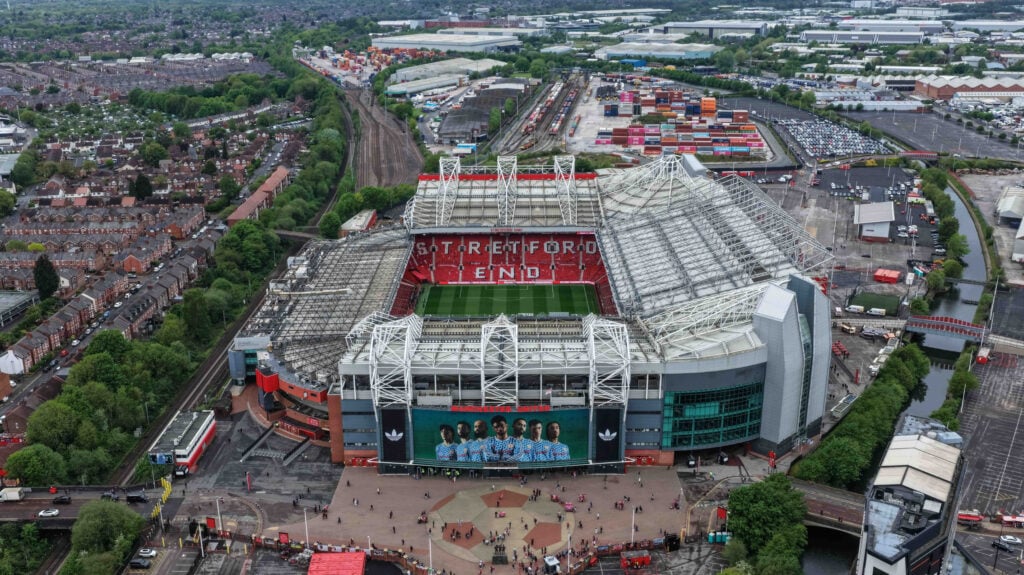
“It’s going to be very complex financially. There will be lip service for the fans in the Stretford End because it’s what’s necessary to keep themselves in their good books. But ultimately, they are targeting a demographic which pays more.”
Receive exclusive football transfer news and updates twice a week to your mailbox