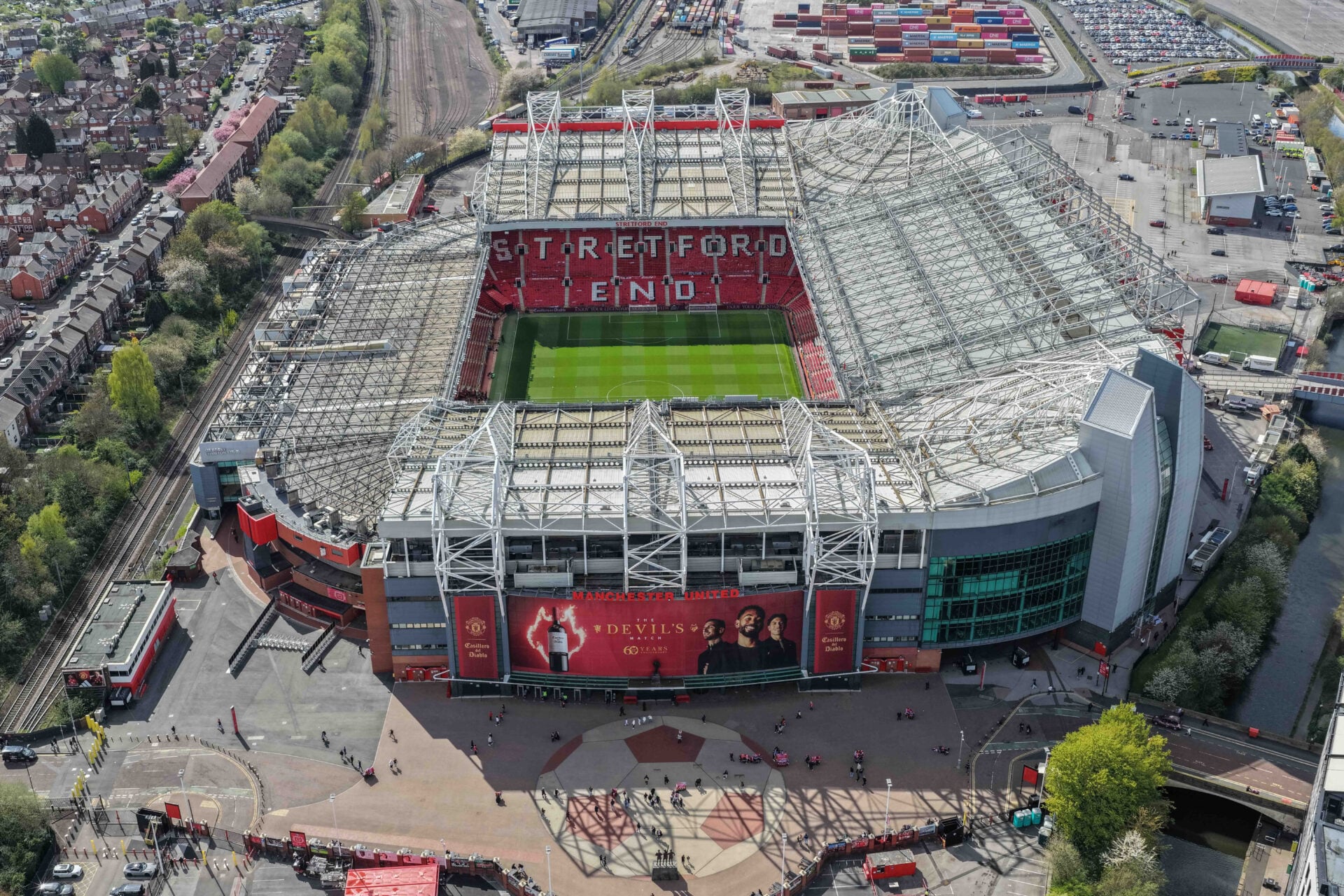

Manchester United are forging ahead with plans to build a new 100,000-seater stadium.
If and when they complete the project (2035 is the most recent move-in estimate the club has made), there is every chance that they will become the world’s richest football club by revenue.
Turnover had flatlined somewhat under the absentee ownership of the Glazer family in recent years, but Sir Jim Ratcliffe has addressed that plateau. And while his methods have varied in popularity, most fans and commentators agree that change was desperately needed.
Now, in a summer where the Red Devils are preparing for Champions League football next season, United have announced that they have acquired a 25-acre site that makes up the majority of land needed to build their proposed new stadium.
Of course, United still need to secure finance for the stadium, whose design is dizzyingly ambitious and likely to cost north of £2bn. But if Ratcliffe can bring success on the pitch under a leaner financial model in the meantime, the club will be in an incredible position to capitalise once they move in.
One area where the business has improved – in many cases, at the expense of bedrock fans – is matchday income.
In United’s most recent set of quarterly accounts, which encompass the three-month period to the end of March, money through the turnstiles had barely dipped at all despite United having no European football of any description in 2025-26 and exiting both cup competitions early.
As well as steep increases in general admission prices, an increased emphasis on hospitality, premium seating and ‘experiences’ has been one of the main drivers of growing matchday income.
And while the news went under the radar because of the stadium announcement, United have now appointed a new hospitality partner in Elevate, one of sport’s biggest consultancy and advisory firms.
In the press release accompanying the announcement, Elevate said: “The new partnership expands United’s official hospitality offering, giving fans more variety and special ways to enjoy the match.
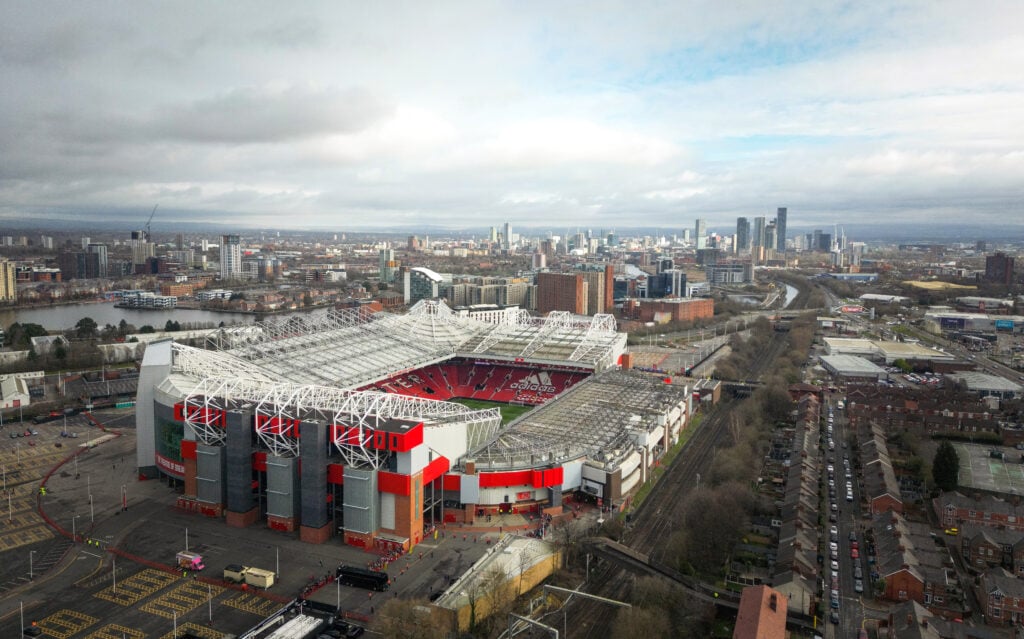
“Through the new partnership, United fans can design a matchday experience that feels uniquely right for them – from premium seats chosen for the best sightlines, to seats that put them as close to the action as possible. Fans can personally tailor their hospitality experience, with choice between fine dining, a relaxed pub-style atmosphere, an in-venue experience at Old Trafford, or a pre-match restaurant in the city center.
“Elevate will also unlock a select number of unforgettable fan experiences, including behind-the-scenes stadium tours, on-pitch photos with the first team, and exclusive Q&As with club legends. The result is a more flexible, memorable, and personal way for fans to experience Old Trafford on matchdays.”
So, what is the rationale behind the deal? And could it be a dry run for an ultra-lucrative hospitality offering at Old Trafford 2.0? HITC spoke to Professor Kieran Maguire, a football finance lecturer at University of Liverpool, for his take.
“There’s no doubt that Ineos are very keen to increase the yield per fan on matchdays,” said the Price of Football author and host of the eponymous podcast.
“They think there are too many people from Manchester attending. If they do want to attend, they’ve got to take the cheap seats, because United have the opportunity to deliver experiences for the tourist fan, the consumer who is only attending once per year and therefore pays more accordingly.
“The new relationship they have with the hospitality partner will help there.
“The target for Ineos will be to generate £200m in matchday revenue. For all of the faults of the Glazers, they did freeze season ticket prices for many years at Old Trafford, but those days are long gone. There is now very much a revenue maximisation culture at the club. For Ineos and United, those with the biggest wallets are going to be targeted.”
Receive exclusive football transfer news and updates twice a week to your mailbox