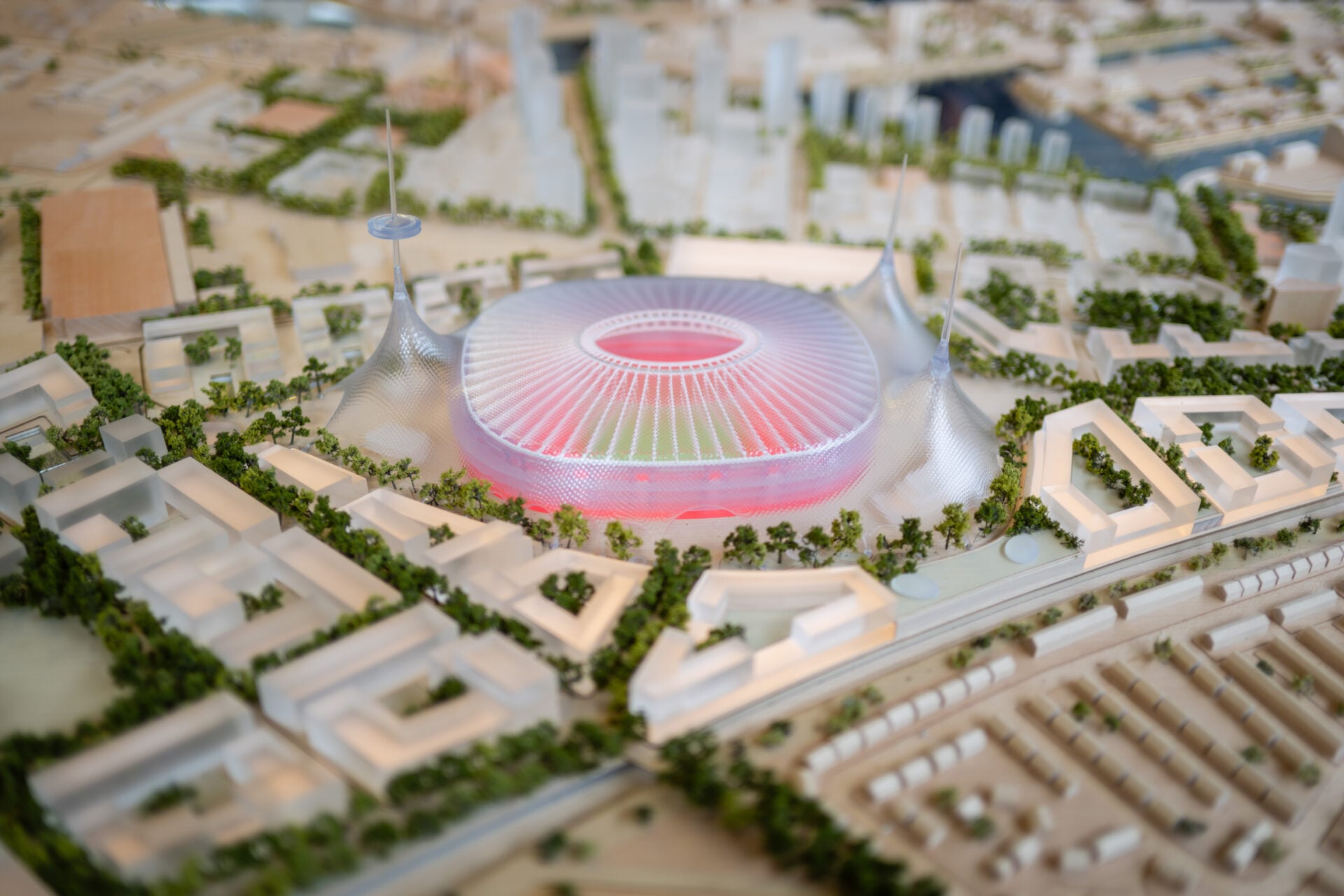

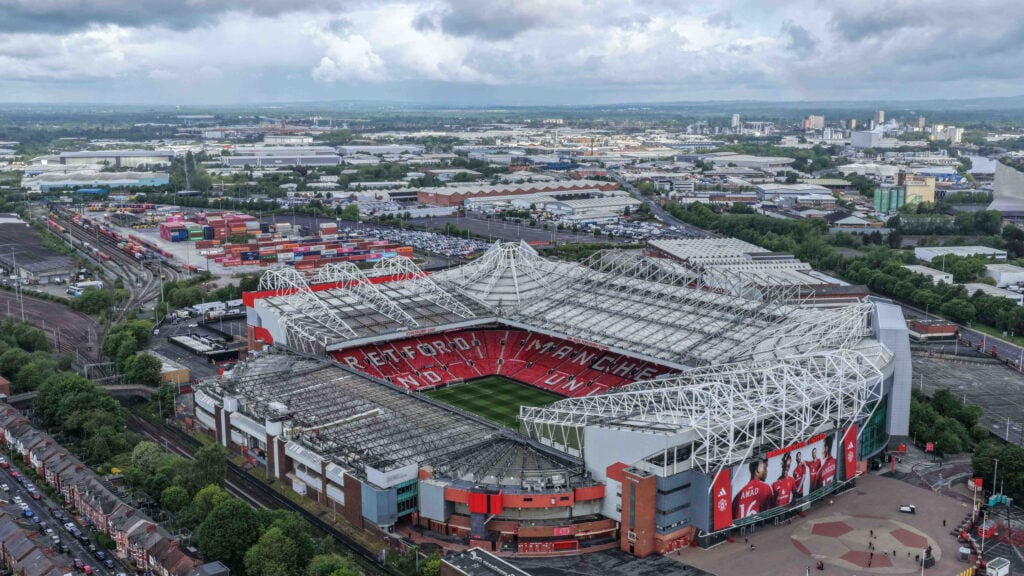
Manchester United have acquired a 25-acre plot of land that they say is “absolutely critical” to their plans to build a 100,000-seater stadium to replace Old Trafford, their home since 1910.
In a press release today, the club said they now control the majority of the land needed to “create one of the most dynamic and globally significant sporting and entertainment destinations in the world.”
The stadium – which has been conceptualised by architecture firm Foster + Partners and features three skyscraping towers representing the trident on United’s badge and a 105,000 square metre canopy – is the brainchild of Sir Jim Ratcliffe, United’s single largest shareholder.
Ratcliffe paid £1.25bn to acquire his near 28 per cent stake and has attempted to run the club in a leaner fashion to the Glazer family, who piled debt onto the club via their 2005 leveraged buyout. The Ineos billionaire has slashed operating costs, re-based the squad and cut hundreds of jobs. The stadium is the key component of his plan to supersize the club’s revenue and return United to profitability.
There are umpteen hurdles left to clear before shovels are in the ground. Finance for the stadium is the biggest unknown, with the Red Devils already groaning under the weight of £1.3bn in financial debt and transfer instalments owed to other clubs.
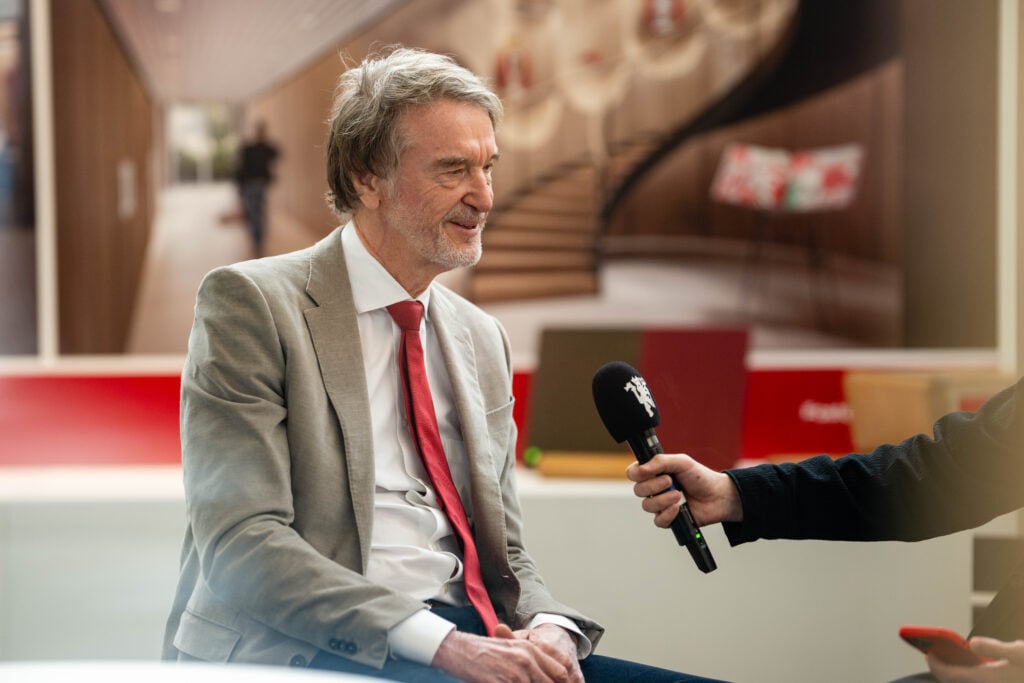
There is a possibility of some government funding for the project, though any money from the public purse will be ringfenced for infrastructure beyond the stadium itself. The prospect of selling more shares in the club, either on the New York Stock Exchange or to a private buyer, has been mooted, as has spinning out a new company to house the stadium business and selling a stake in that.
But they will inevitably need to borrow more money to build the stadium, which is slated to cost north of £2bn. The challenge, then, is convincing lenders that they can build a stadium lucrative enough to outweigh the increase in annual interest payments by an order of magnitude.
So, how much will they earn at Old Trafford 2.0?
Currently, Old Trafford seats just shy of 75,000. In 2024-25, a season in they were absent from the Champions League, they earned £136m through the turnstiles, which equated to £5.1m per game.
In 2025-26, a season which saw them qualify for the Champions League after a two-year absence following the appointment of Michael Carrick as head coach, United’s yield per matchday has increased to a remarkable £7.4m, per the most recent quarterly accounts.
On a pro-rata calculation, therefore, they would earn just shy of £9.9m at a 100,000-seater stadium. Extrapolated over the course of a season in which they would hope to play at least 25 times at home, that would equate to matchday income of nearly £247m.
However, it won’t be a linear increase. In reality, there will be far more emphasis on hospitality and premium seating at the new stadium, and the opportunity to model the stadium in the most commercially lucrative way possible means that yield could increase by around 25 per cent.
On that estimate, matchday income would rise to about £309m.
Clearly, these figures will depend on their pricing structure and the number of matches per season, but most experts canvassed by HITC suggest that the margin for error is not too significant.
It’s not just ticketing income either. Naming rights, stadium debentures and dozens of other commercial doors will open for United.
Naming rights alone could reach £50m, according to brand experts. Qualcomm Snapdragon, the chip manufacturer whose logo adorns United’s shirt, are said to be interested.
Stadium debentures – which allow fans to buy the right to purchase a ticket every season for a set period – have raised nine figures for clubs like Barcelona. United will be looking to at least reach £100m from that strand, though that is a one-off payment rather than annually occurring revenue.
Then, there is the opportunity to use the stadium to host concerts and other sporting events. Tottenham Hotspur have generated north of £50m annually from this revenue stream at their new-ish stadium. And while they can charge London prices, United will again be using that as a guide.
All told, it is possible that United could earn around £500m in stadium-related income at Old Trafford 2.0.
Projected to open in 2035, the ribbon-cutting ceremony is a long way away. And some commentators are sceptical that the Red Devils will get there at all.
But if they can manage the project correctly, get the right debt deals in place and monetise the stadium to maximum effect, the financial upside could be mind-bendingly big.
Receive exclusive football transfer news and updates twice a week to your mailbox