
A commercial shake-up at the top of world football could reshape what attending and watching future World Cups actually looks like for supporters.
Gianni Infantino seems ready to treat the World Cup less like a football tournament and more like a private equity play. The idea is to spin off FIFA’s biggest events into a new entity, selling stakes and bringing in big names to fund the whole thing.
Once private cash starts calling the shots, don’t be shocked if the World Cup bloats to 64 teams or gets shuffled into desert winters whenever profit targets demand it.
And Infantino’s reward for orchestrating it all? Stepping sideways into a chief commissioner role with an NFL-level $64 million annual payday.
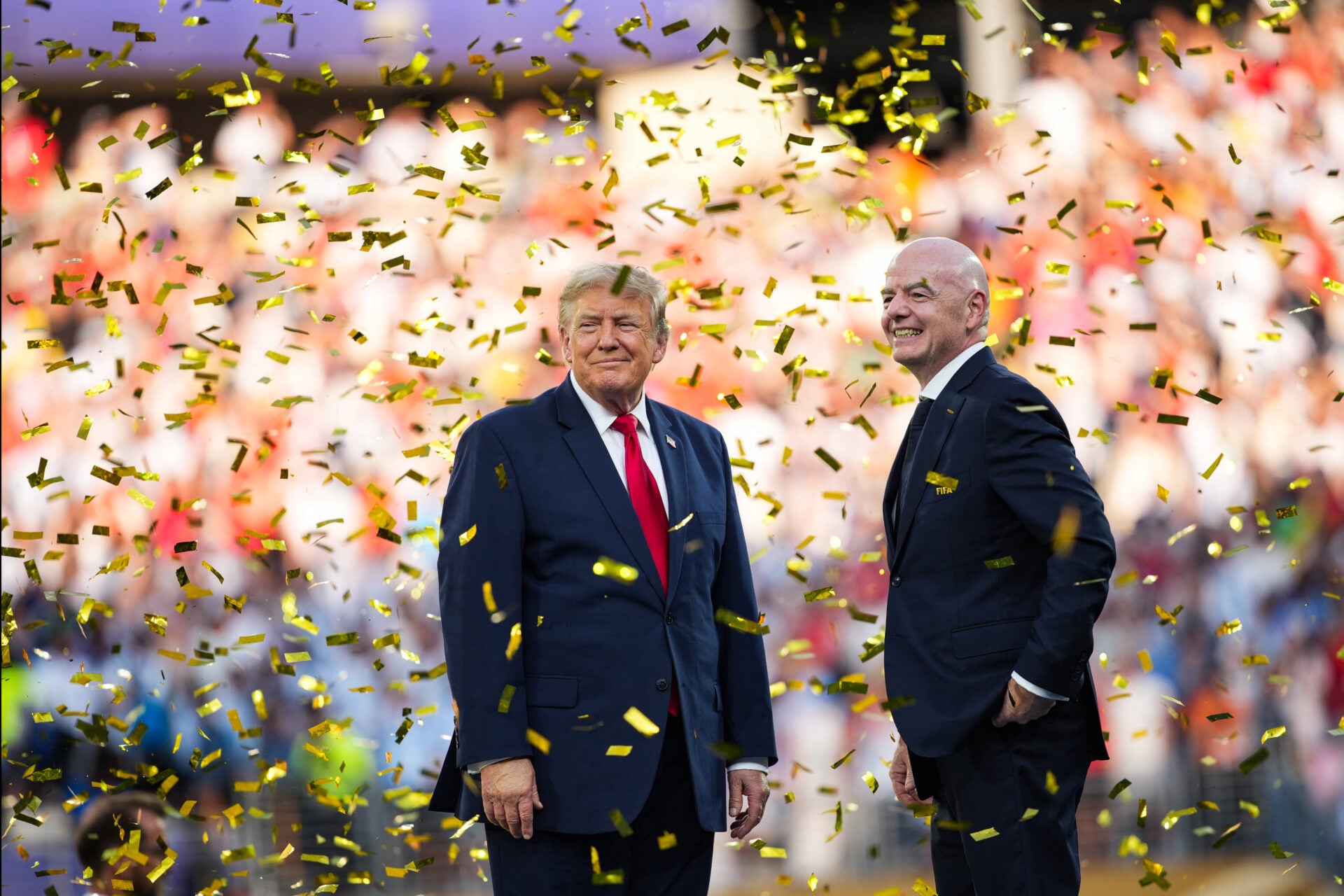
We should have seen this coming after the interference from Gianni Infantino and Donald Trump during the 2026 World Cup, with his administration being approached over the matter.
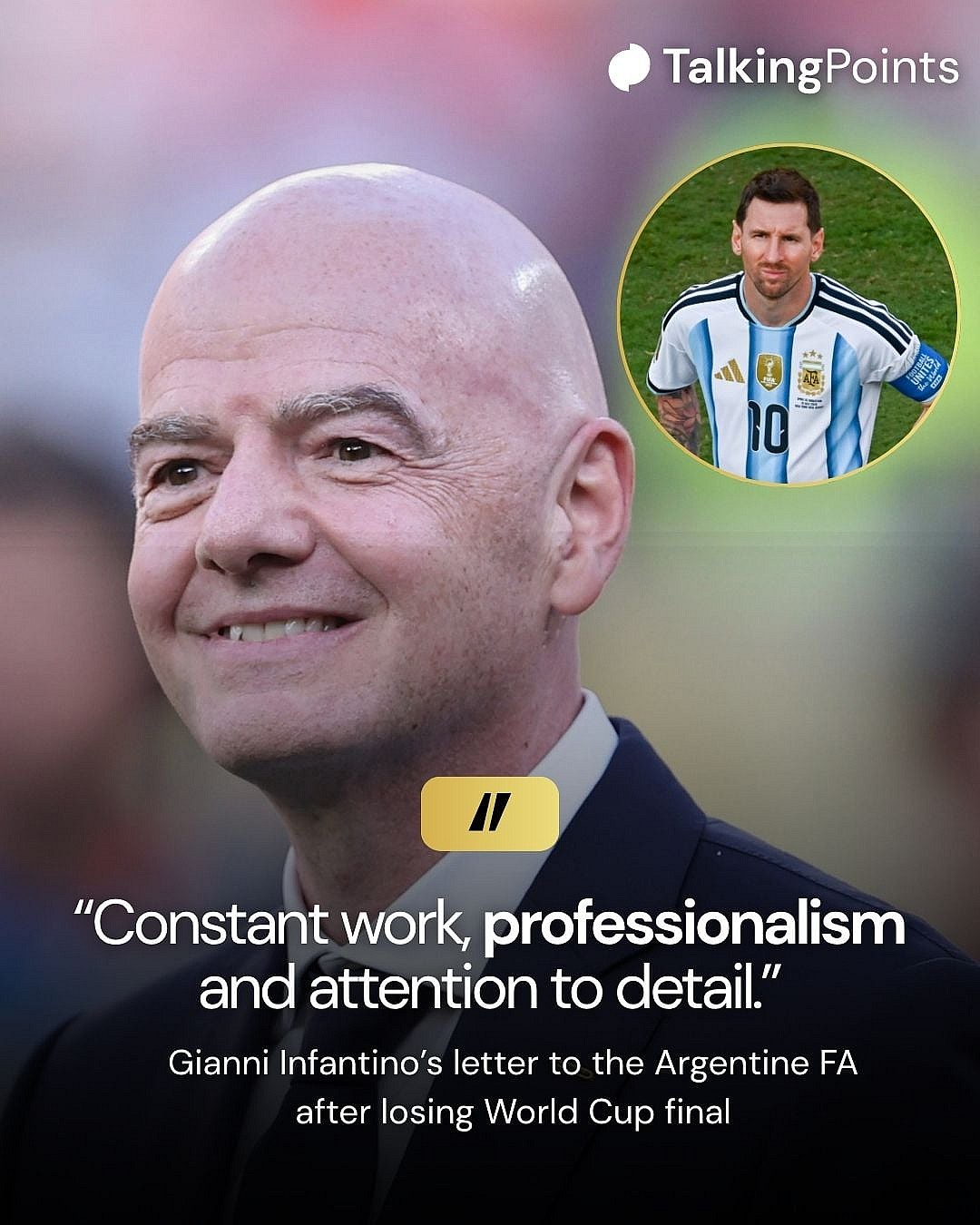
Gianni Infantino's letter to the Argentine FA has gone viral – give us your response 👇
🚨 Reminder, FIFA are set to investigate what happened after the final
How everything would work if the FIFA World Cup was privatized
Even if FIFA hangs onto ultimate authority over soccer governance and the international match calendar beyond 2030, its choices would directly dictate the financial destiny of this new commercial entity.
It comes down to simple math for the board. If FIFA opts to expand the World Cup to 64 nations, or decides to run the tournament every two years instead of four, the venture’s valuation skyrockets. More matches, more broadcast rights, and more sponsors equal a massive cash injection for the new business. So it all becomes a money game, not actually about soccer.
The real catch lies in what private investors expect for their money. Outside capital brings commercial pressure, meaning future Men’s World Cups would almost certainly turn toward high-margin markets that offer maximum return on investment. The Club World Cup could face a similar fate, pushing host rights toward the Gulf region to drive top-line revenues, much like we see in Boxing already.
That setup brings a familiar headache for fans and European leagues, as playing in the Middle East means dodging scorching summer temperatures, which forces domestic seasons to grind to a mid-winter halt—just like Qatar 2022.
Information (as per The Times).
Receive exclusive football transfer news and updates twice a week to your mailbox