
Despite recording a record-$9 billion in revenue at the 2026 World Cup, FIFA have labelled themselves a nonprofit organisation for several years.
The World Cup has proven to be a massively lucrative success for FIFA, as the tournament has broken the all-time record for revenue generated.
With $9 billion in revenue now in their hands, FIFA are sitting on a treasure chest of funds. But how is it that they can secure this revenue despite being a nonprofit organisation?
How FIFA operates as a nonprofit organisation
FIFA are registered and operated out of Switzerland, and has done so since the organisation was formed in 1904 to convene as the main authority on football activity around the world.
Following Article 60 of the Swiss Civil Code, FIFA are registered as a non-commercial association. This is because the 211 member states are not provided any equity in the organisation as part of their membership.
Within the definition of Swiss law, a nonprofit is not forbidden from generating revenue. Rather, the rules dictate that their profit and revenue cannot be received by members in or out of the organisation as a distribution of wealth.
Since FIFA aren’t publicly traded as an organisation, it does not have investors who provide funding that is leveraged against their shares. The revenue it earns goes to its reserves.
FIFA does compensate its member states, but there is no equitable compensation policy. That means that a country as small as San Marino will earn the same amount of money as England, a football powerhouse.
Of course, revenue generated from the FIFA World Cup is partly distributed to teams that took part in the tournament, with the total amount being determined by a nation’s performance at the event.
Why FIFA sticks with nonprofit status despite record revenue
On paper, FIFA chooses to remain a nonprofit because of their mission to try and expand global football and assist its growth all over the world.
They can use the revenue generated from these tournaments and money from the global media rights deals to invest in football organisations all over the world to allow them to improve their footballing systems.
And in doing so, FIFA are only further legitimising the 211 nations that comprise the FIFA Congress, the voting body behind most decisions regarding the organisation.
On top of that, the nonprofit status also allows them to be independent from influence from outside figures and nations, as they cannot be financially incentivised.
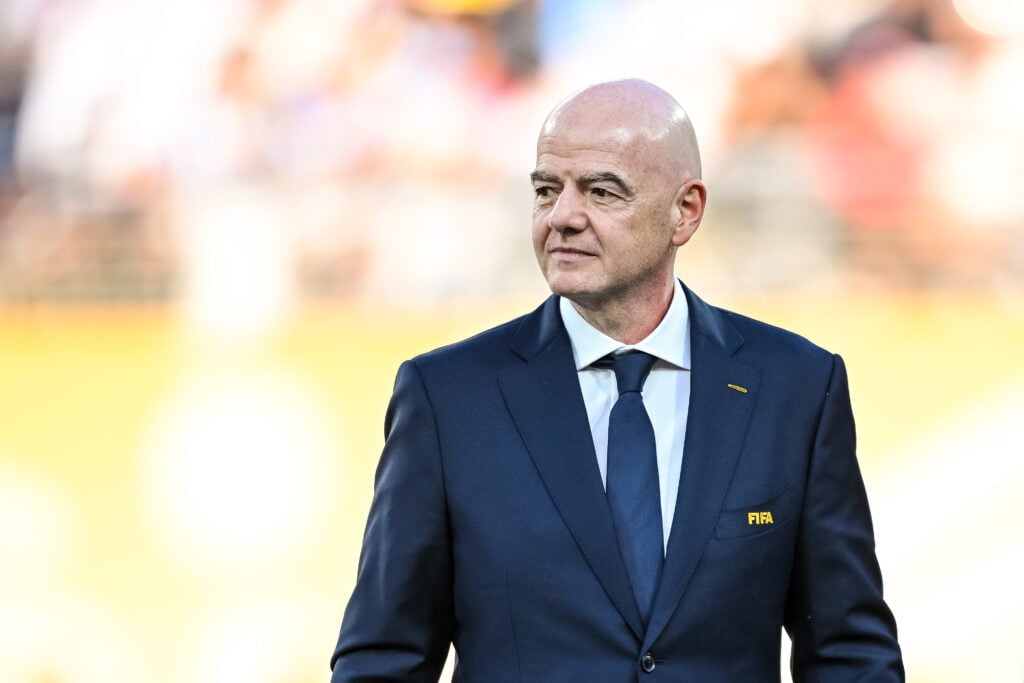
Of course, there are concerns that FIFA aren’t fulfilling their responsibility adequately on this front, with Gianni Infantino in particular facing a lot of criticism for how he has handled matters.
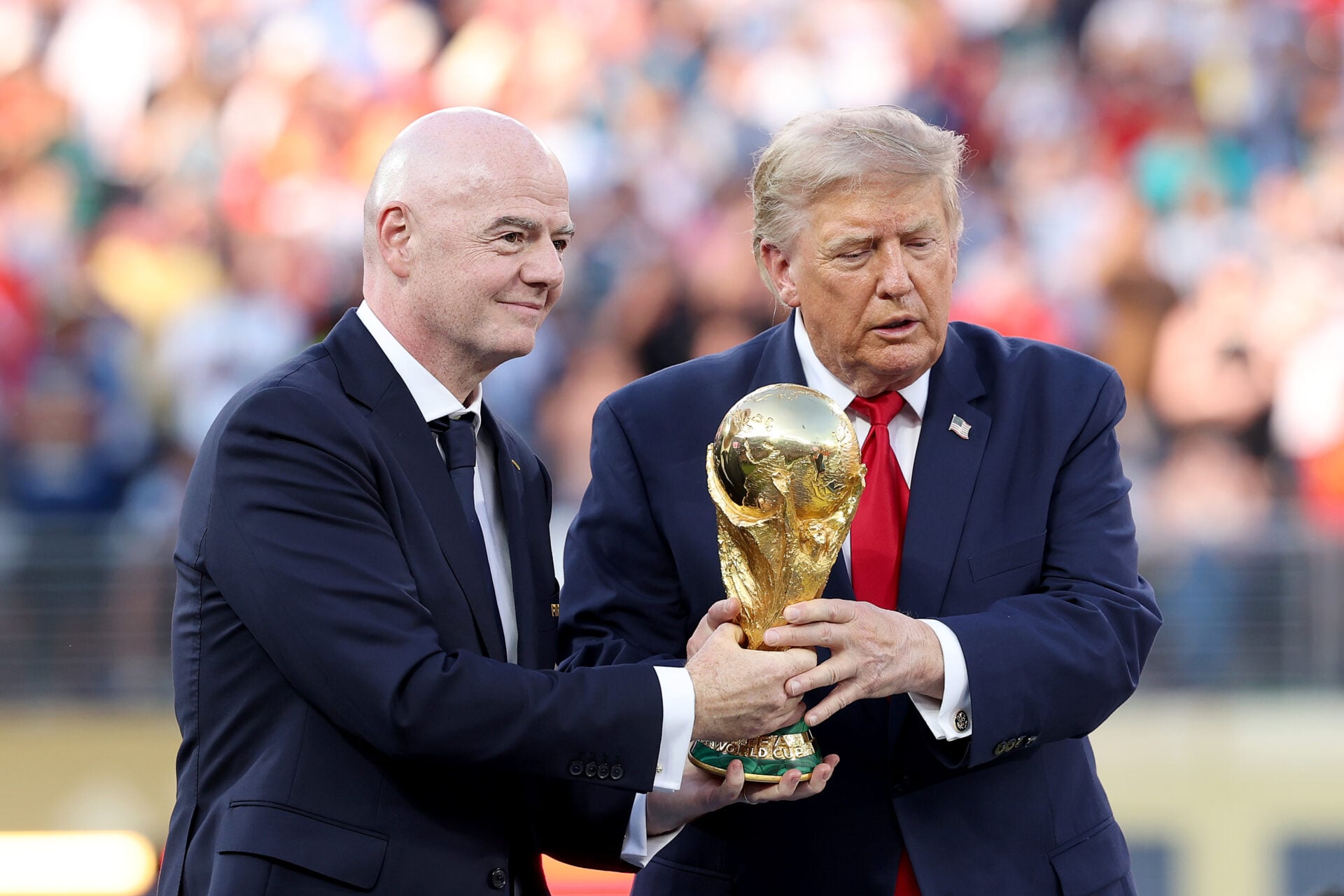
Infantino’s dealings with US President Donald Trump have garnered massive criticism, as many feel the FIFA President has allowed him to leverage the organisation for his favour.
As things stand, Infantino is set to retain his role as FIFA president after the tournament, potentially buoyed by the revenue generated at the World Cup under his stewardship.
Receive exclusive football transfer news and updates twice a week to your mailbox