
Heading into the next FIFA World Cup cycle, the football organization are eyeing a big money deal and moving on from Fox.
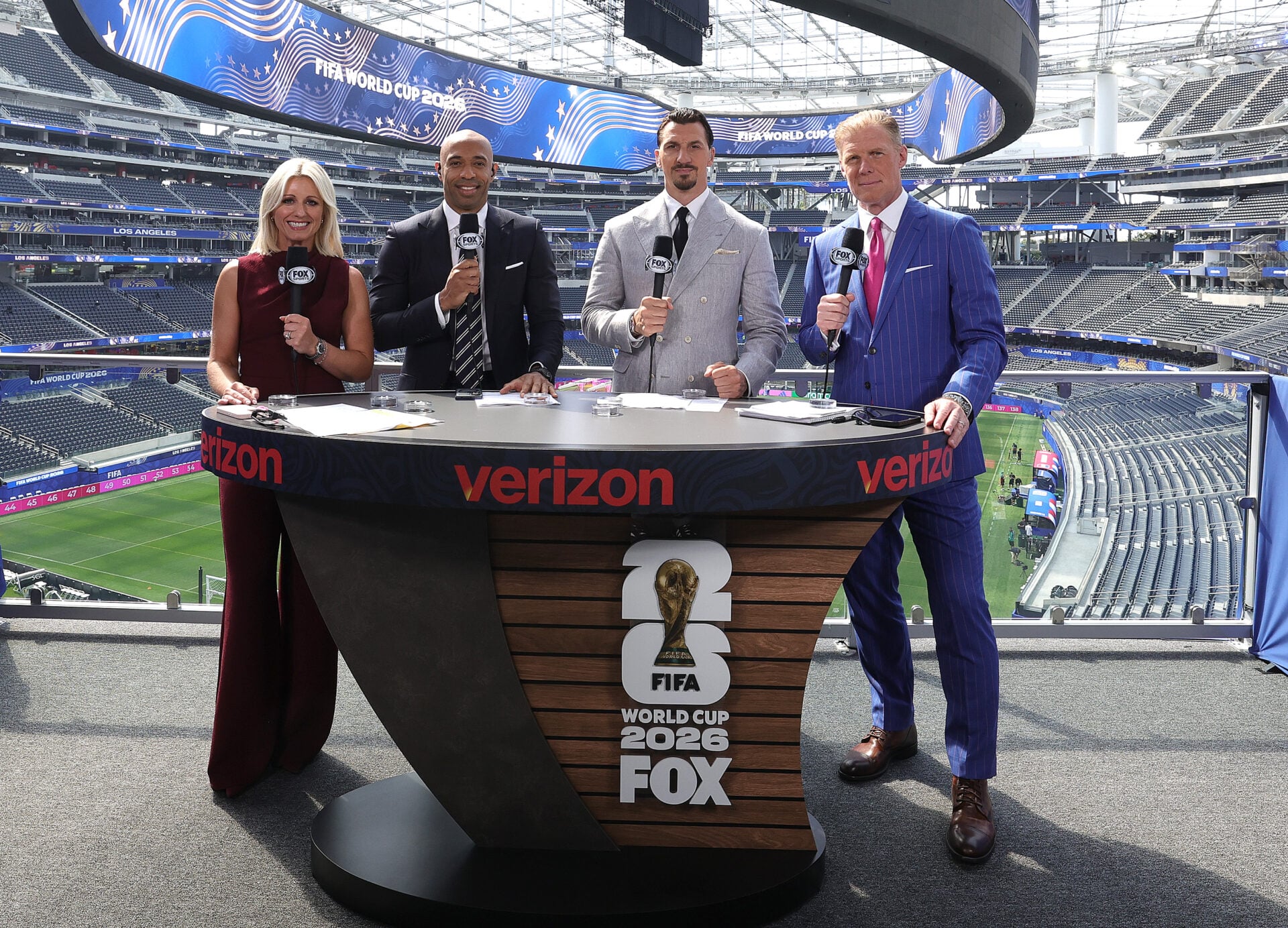
Fox have held the broadcast rights for the FIFA World Cup for the last decade in the United States. But with the popularity of the sport expanding in the country, FIFA are looking for a new media partner.
Reports suggest that FIFA are set to get some of the biggest media conglomerates in the world into a bidding war for the media rights of the 2030 World Cup.

Netflix, YouTube and Disney set to engage in bidding war as FIFA eye $2 billion media rights deal
According to Alex Sherman of CNBC, FIFA are set to invite a huge bidding war for the broadcast rights for the 2030 FIFA World Cup.
Netflix, Disney, and YouTube are looking to compete with Fox for the rights to broadcast the tournament’s 100-year anniversary edition.
Unsurprisingly, FIFA are looking to capitalise on this interest, targeting a media rights deal worth between $1.5 and $2 billion.
The report states that FIFA are set to begin conversations to negotiate the media rights deal in a few months time, following the culmination of the current tournament.
FIFA want one media partner for multiple languages in the US
An interesting note from the report states that FIFA are likely to sell the English and Spanish broadcast rights to one partner, not wanting to replicate their current set-up.
In the United States, Fox currently hold the English broadcast rights, while NBC Universal hold the Spanish broadcast rights through Telemundo.
Unfortunately for fans in the US, the 2030 and 2034 World Cups are set to be in unfriendly time zones, which could make media companies pay less than what FIFA are hoping for.
We saw how late FIFA had to wait to secure media rights deals in India and China this year, given that the tournament airs at inconvenient timings for fans in two of the biggest media markets in the world.
Receive exclusive football transfer news and updates twice a week to your mailbox