
World Cup matches in the United States could be stopped mid-game during the 2026 tournament if severe weather moves close to a stadium.
Lightning is the main concern. Under U.S. thunderstorm protocol cited in a report, play can be suspended immediately if lightning or electrical discharge is detected within an eight-mile radius of the stadium.
Matches also do not restart as soon as the storm appears to pass. U.S. safety guidance advises waiting 30 minutes after the last lightning or thunder before returning to outdoor activity.
Why lightning can stop World Cup games in the USA

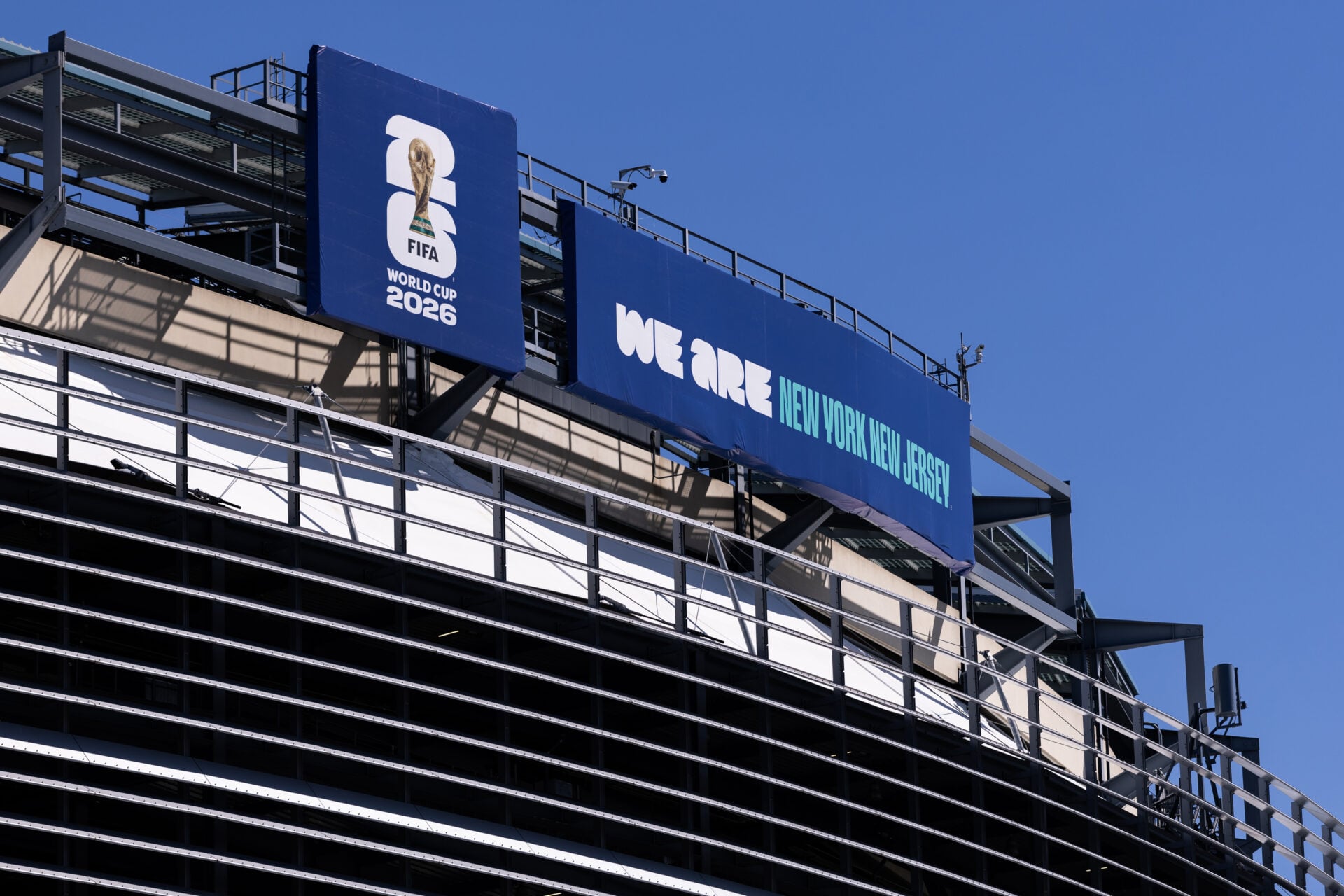
The 2026 World Cup is being staged across Canada, Mexico and the United States, with FIFA listing 104 fixtures across 16 host cities.
The United States has the largest share of the tournament, with 78 of the 104 matches scheduled to be played there.
That is why U.S. safety procedures matter. A World Cup match is still a mass gathering, and lightning risk is treated as a safety issue before it is treated as a football issue.
When lightning or electrical activity is detected close to a venue, play can be halted to protect players, officials, staff, broadcasters and supporters.
This is not the same as a rain delay. Heavy rain can affect the pitch, but lightning poses a direct safety risk to anyone in open areas, stands, concourses and the field itself.
Why delays might last longer than 30 minutes
The 30-minute wait is not always a fixed countdown that starts when play stops.
It is tied to the last sign of danger. NOAA guidance says people should stay in safe shelter for at least 30 minutes after the last thunder.
If another flash or rumble happens during the delay, the wait can be extended. That is why a suspension can last well beyond half an hour.
There is also no fixed limit on how long a match can be delayed before it is abandoned. FIFA regulations do not specify a cut-off point for a weather-affected match, so decisions can depend on conditions at the venue, the match schedule and safety advice.
For supporters, the explanation is simple. A game in the USA could be stopped because lightning has entered the danger area, and play may not resume until at least 30 minutes after the final sign of thunder or lightning.
That does not mean every storm will cause a major delay. It does mean weather protocol could become a visible part of the 2026 World Cup if summer storms affect matches in the United States.
Receive exclusive football transfer news and updates twice a week to your mailbox