
The 2026 World Cup has been wildly successful – in financial terms, at least.
Most soccer fans would agree that the action on the pitch has been largely excellent too, but controversy behind the scenes has soured the spectacle for some.
FIFA, however, are seeing dollar signs everywhere they look.
World soccer’s governing body is targeting revenues of $13bn in the current four-year cycle, which effectively culminates with the World Cup final in New Jersey in just under a week’s time.
Indeed, industry sources consulted by HITC suggest that FIFA’s $13bn projection is in fact relatively conservative.

FIFA has set sky-high ticket prices and keeps the revenue itself rather than passing it to host venues. It has also officially endorsed lucrative secondary ticket markets, and charges eye-watering fees for hospitality and premium seating.
Taken together, these are likely to push its turnover from the World Cup well past what Qatar generated in 2022 – probably by an order of magnitude. And that’s before factoring in TV rights and other commercial ventures.
And going forward, the commercial success of the World Cup in the US is likely to have an inflationary effect on the value of the tournament’s media rights.
Fox’s bargain $485m TV rights deal for 2026 World Cup will never be repeated
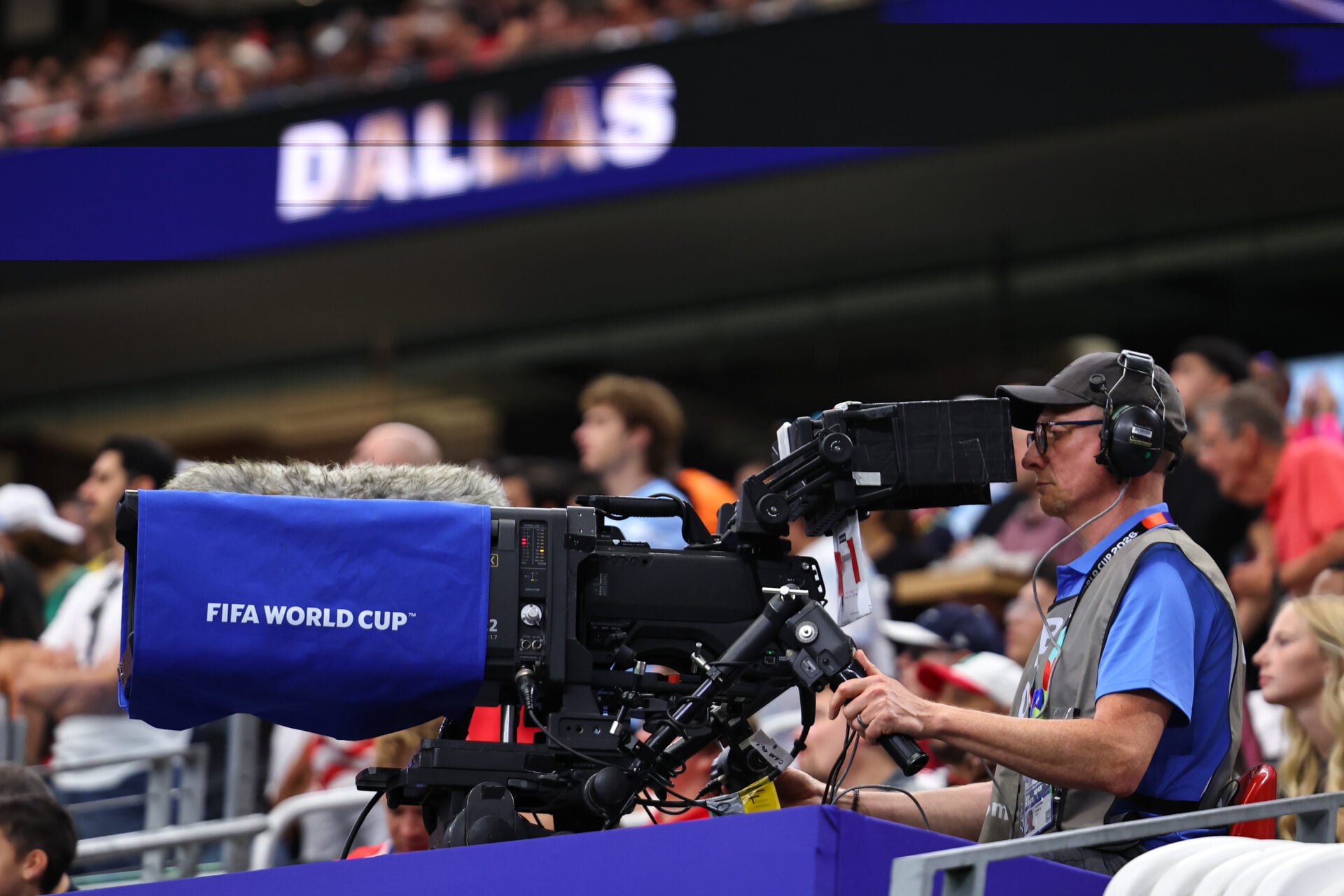
Even before the tournament kicked off, the $485m Fox paid for the US English-language rights to air the World Cup was feted as a bargain.
But as viewing figure records have tumbled throughout the tournament, that perception has only increased and become more deeply felt among sports business executives.
The latest success was the live viewing figures for England’s quarter-final victory over Norway.

An average of nearly 19.5 million watched Jude Bellingham score a brace, the highest figure for a World Cup quarter-final broadcast in the US, per data from Nielsen.
When the rights for the 2030 World Cup go to market, FIFA will likely demand in excess of $1bn, according to reports this week. And it could go as high as $2bn – and the statistics going into this week’s semi-finals show exactly why.
Receive exclusive football transfer news and updates twice a week to your mailbox