
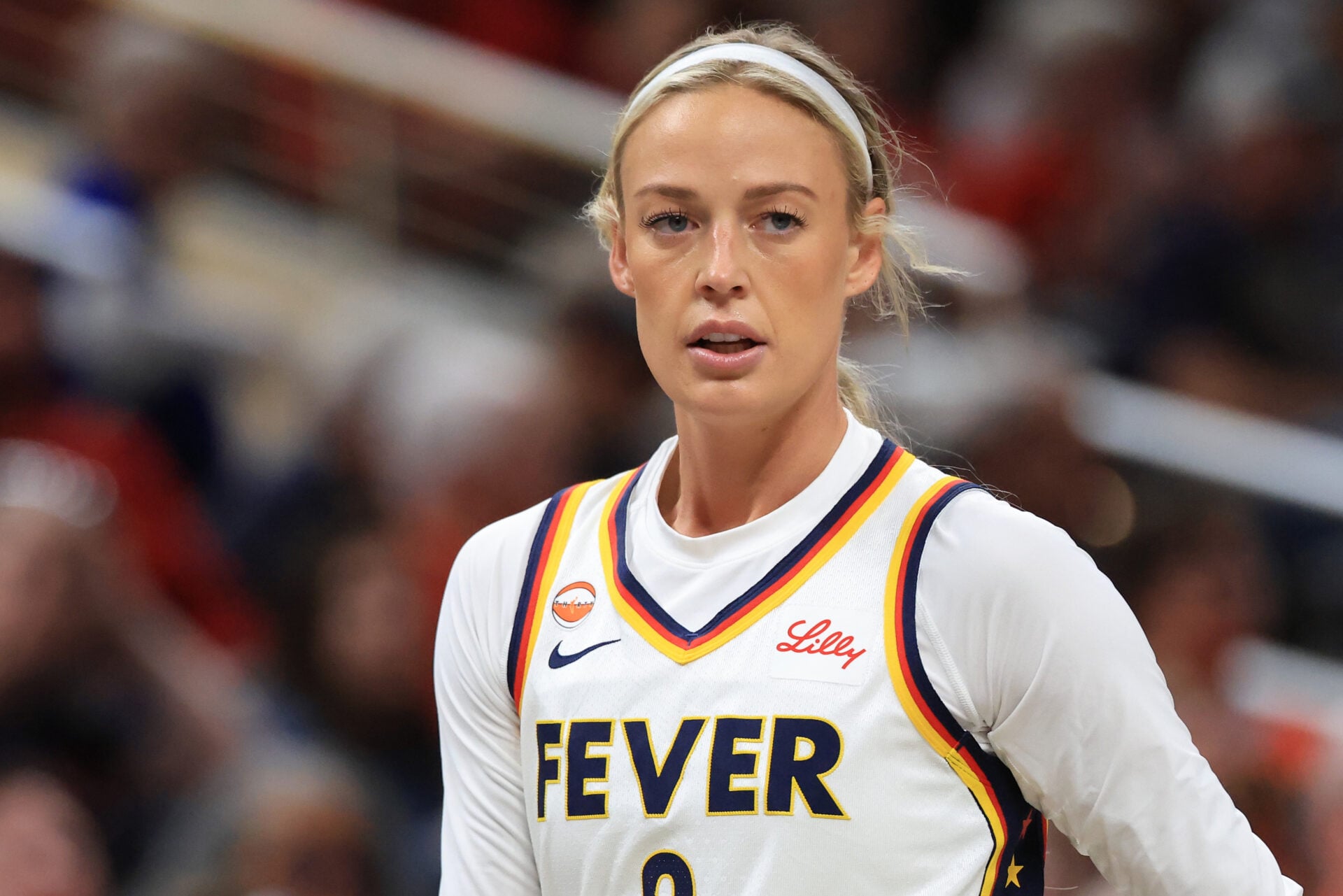

Sophie Cunningham did not hold back when asked about the WNBA’s move to a 50-game season, even if she understands why it is happening.
The league is set to grow again in 2027, expanding from 44 games to 50. That follows a jump from 40 games in 2023, and it coincides with a new era of player pay. Under the next CBA, salaries are expected to rise significantly.
Attendance is up, media interest is booming, and the league has never been more popular, thanks in part to the Caitlin Clark effect. But more games also mean more strain on players already balancing travel, training and recovery.

Sophie Cunningham WNBA expansion verdict balances pay and pain
USA Sports shared Cunningham’s remarks on the planned expansion, where she was clear about the physical reality.
Cunningham said: “My knees are already starting to hurt a little bit more, I’m just going to say that. But, I do say if we’re going to be getting paid that amount of money then you’re expected to play more games.”
She also made it clear she saw the league’s side of things: “I think it’s fair. I think you’re going to see the season expand into November, so I’m all for it. I think if you’re getting paid that, then you’ve got to put a product out there for longer for people to enjoy.”
Her answer was not a complaint. It was a reminder that growth comes with a cost, and players will be the ones feeling it most.
Expansion gives WNBA bigger platform and heavier workload
The logic behind the expansion is clear. More games create more opportunities for broadcasters and fans, and help fuel the league’s new media deals.
Central to that is the expected pay rise. With a higher salary cap and bigger average salaries, players will be earning more, but the league will also expect more from them in return.
Others have voiced similar concerns about the workload, especially around travel and the risk of injuries. It is good business, but only if the players can manage the demands.
Cunningham’s take stood out because it balanced both sides. The league should grow, players deserve better pay, and fans want more games. But the challenge now is making sure that growth does not come at the players’ expense.
Receive exclusive football transfer news and updates twice a week to your mailbox