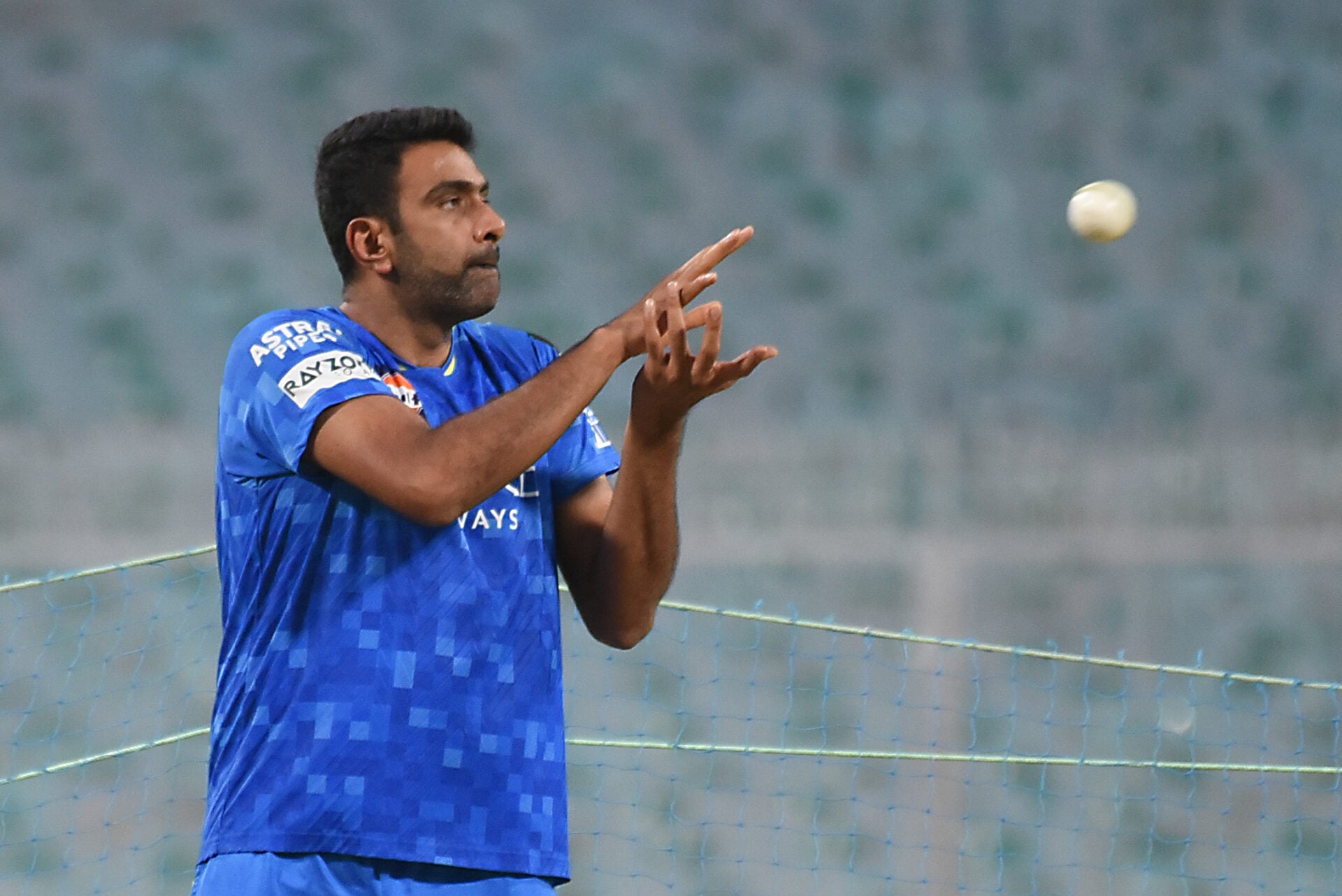

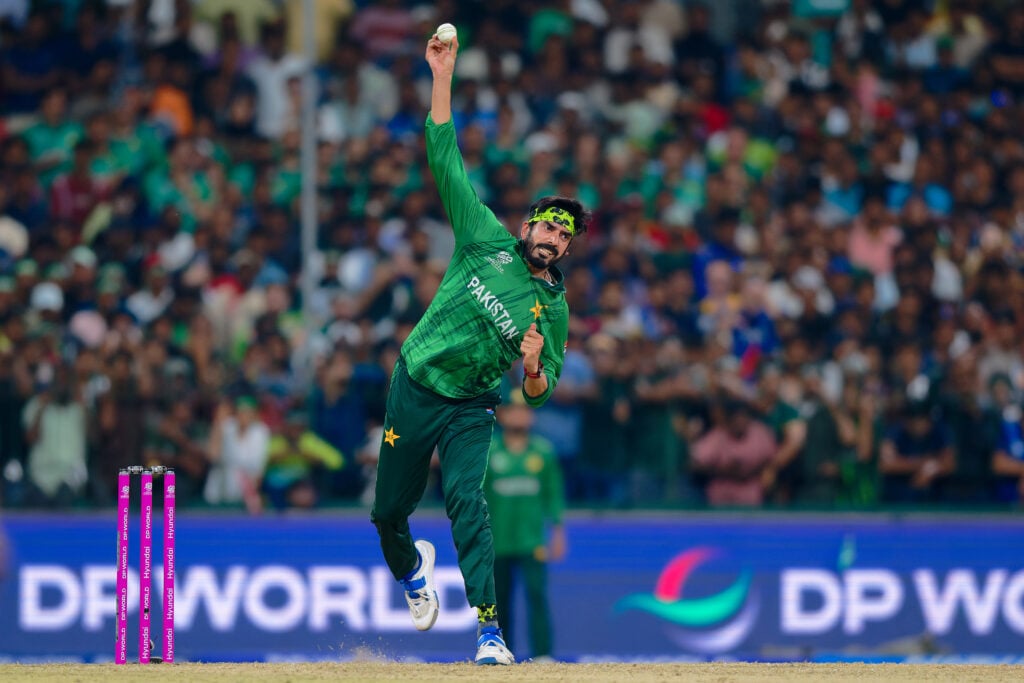
Ravi Ashwin has stepped into a heated debate surrounding Pakistan bowler Usman Tariq, offering a measured defence amid accusations of an illegal action.
The controversy began after questions were raised about Tariq’s mid-action pause, with comparisons made to football rules that prohibit similar movement changes during a run-up.
Ravi Ashwin questions the bowling restriction debate after the Usman Tariq controversy
Responding directly to criticism on X, Ashwin challenged what he views as uneven restrictions between batters and bowlers.
“Agree, football doesn’t allow it! While the batter can be allowed to switch hit or reverse without informing the umpire or bowler, after him/her commits to start batting on one side, why are the restrictions only limited to the bowler?
“In fact the bowler isn’t allowed to change the arm with which he/she bowls without informing the umpire! They should first change that rule,” Ashwin said.
Ashwin’s argument focused on balance within cricket’s laws. He pointed out that batters are permitted significant flexibility mid-play, while bowlers operate under stricter procedural constraints.
By reframing the debate, Ashwin shifted attention away from Tariq individually and toward broader regulatory inconsistencies within the sport.
The intervention surprised some observers, given the India-Pakistan rivalry, but Ashwin approached the issue from a technical standpoint rather than a national one.
Ashwin explains ICC testing and 15 degree rule
In a follow-up clarification shared on X, Ashwin addressed the legality question more directly.
“Okay, let me make it as clear as possible. Firstly, the legalities of his action can only be tested at an ICC bowling action testing centre.
“Secondly, there is a 15° rule under which a bowler needs to keep his elbow and straighten it and to judge if a bowler is bowling within that 15° mark by the onfield Umpire is impossible,” Ashwin continued.
“The only solution to that is having a real-time in-competition testing tool. The above is a grey area and to accuse someone for utilising the grey area is wrong.
“Finally, if the pause at the crease is legal or not, and that’s where I believe that it is entirely legal because that is his regular action,” he concluded.
Ashwin emphasised that only official ICC testing can determine whether a bowling action breaches the 15-degree elbow extension threshold.
He also described the pause at the crease as part of Tariq’s established routine rather than an irregular modification. By calling the issue a grey area, Ashwin urged caution against immediate public accusations.
Receive exclusive football transfer news and updates twice a week to your mailbox