
As the dust settles on the 2026 World Cup, the MLS assumes responsibility for maintaining the soccer buzz in the United States.
From a commercial perspective, Major League Soccer will have been disappointed that Lionel Messi, the league’s semi-deified ambassador, did not win his second World Cup with Argentina.
In truth, his side were abysmal in defeat to Spain in New Jersey. It was a final which was out of step with the rest of the tournament, where the action on the pitch was generally superb.
And while FIFA’s top man, Gianni Infantino, has courted controversy over the last month for his brazenly commercial approach and for letting Donald Trump influence tournament protocols, it is hard to argue that he has not been successful in trying to capture the American market.
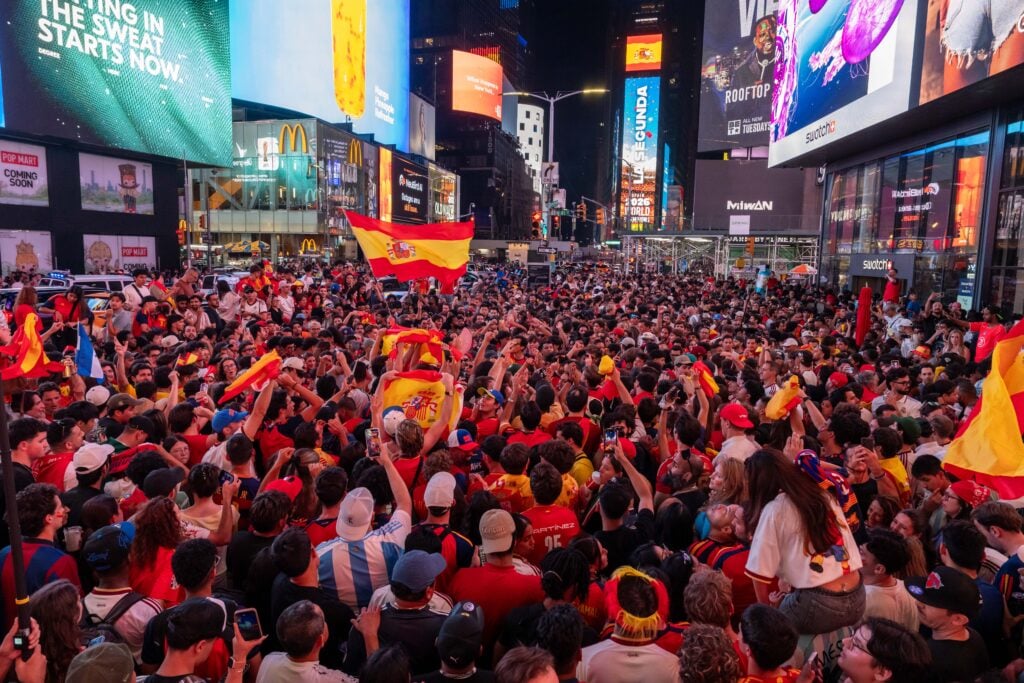
Viewing figures have been spectacular, as have attendances.
For the MLS, which is back underway following a two-month pause for the World Cup, that bodes well.
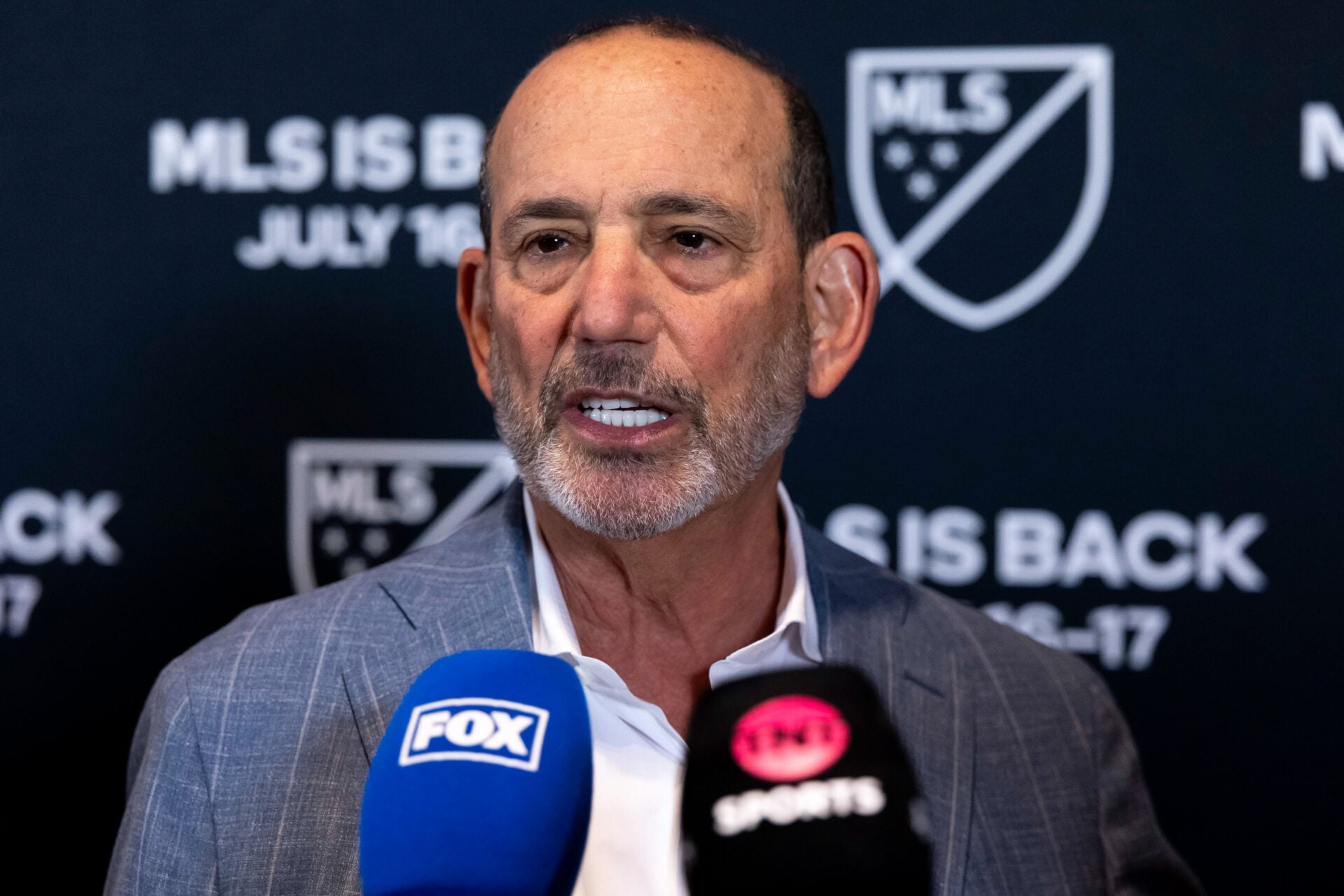
And outgoing MLS Commissioner Don Garber’s ambitions are sky-high.
Garber thinks MLS can be most commercially valuable soccer league
Garber has been in charge of the MLS since 1999.
In the last decade or so, he has seen franchise valuations rival some of the biggest teams in Europe and South America, where fans are most rabidly devoted to soccer.
In 2027, he will pass on the torch to another as yet unconfirmed executive.
Whoever his successor is, Garber thinks the World Cup can be a springboard for the MLS to rival the Europeans and South Americans for financial supremacy in soccer.
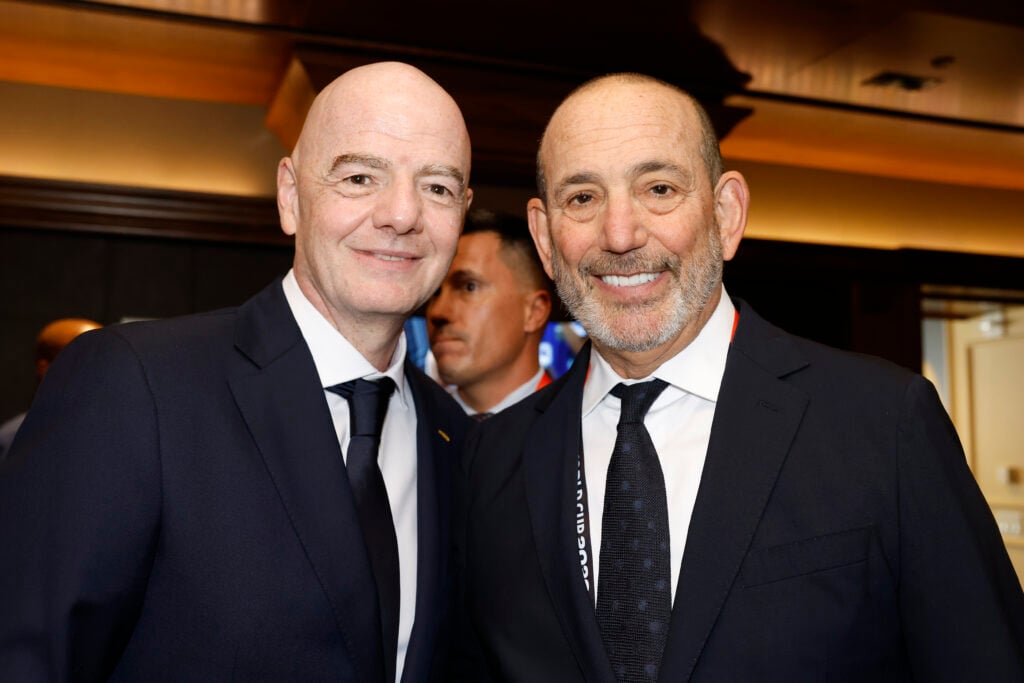
Speaking to Front Office Sports ahead of the World Cup final, Garber said: “We proved that we are a soccer nation over the last month. We proved that we can build the most valuable commercial market in the world [for soccer].
Currently, the English Premier League is far and away the most commercially valuable soccer league in the world. Its TV and central commercial rights are worth almost £3.5bn annually, while its 20 teams made around £2.4bn from sponsorship and retail at the last count.
The MLS has a long way to go to make up that gap – and the fact that soccer in Europe is backed by a century-and-a-half of history means that discrepancy won’t be cancelled out overnight.
But the commercial success of the World Cup is a good omen.
Receive exclusive football transfer news and updates twice a week to your mailbox