
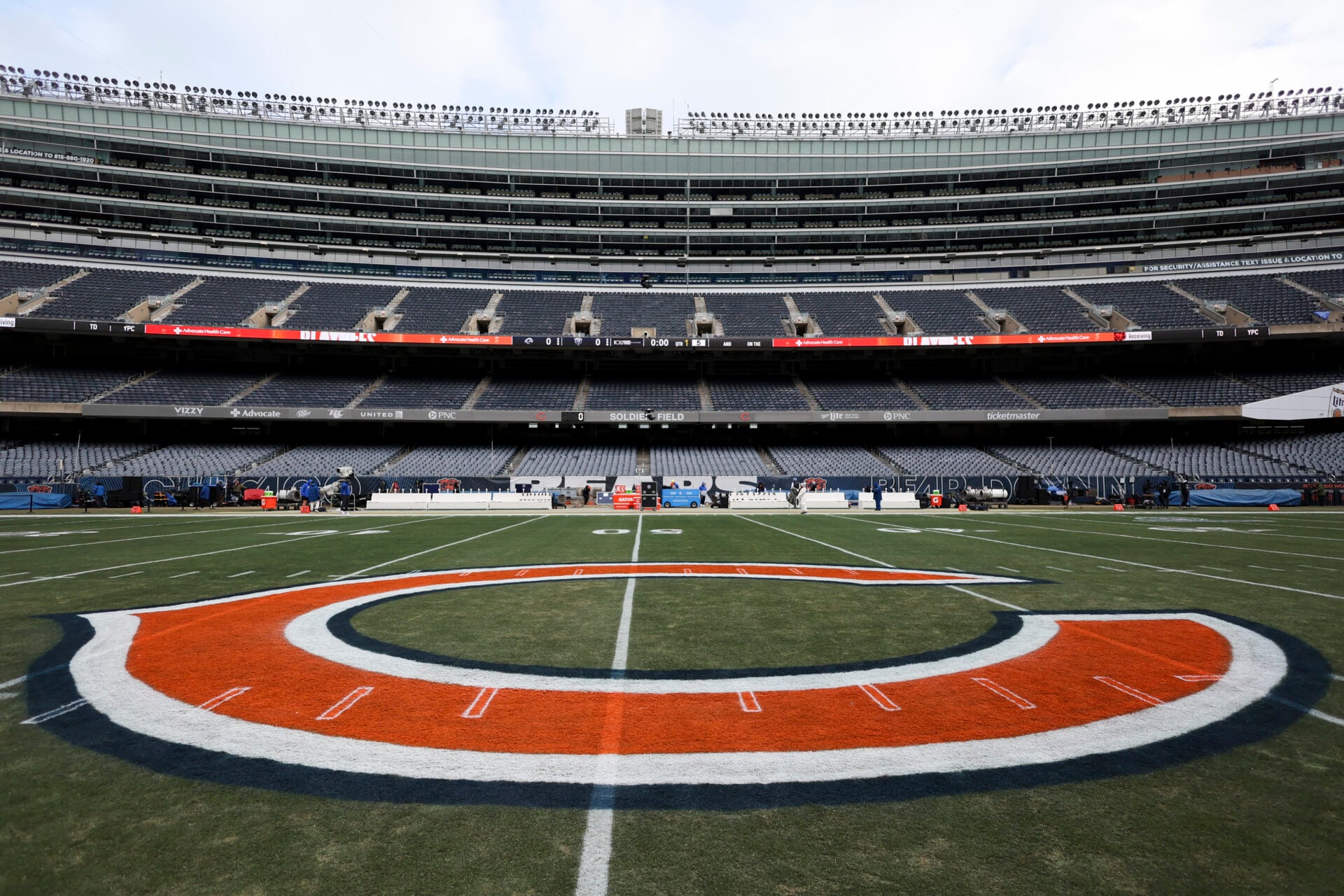

Indiana’s effort to bring the Chicago Bears across state lines has prompted visible frustration from some of the taxpayers expected to help finance the move.
Lawmakers advanced legislation supporting the construction of a new stadium in Hammond and promoted it as an economic opportunity.
For many residents in northwest Indiana, the proposal instead signals added financial pressure. The central concern is the scale of public funding tied to the project.

Tax package sparks backlash in northwest Indiana
Under the proposal, the Bears would contribute $2 billion toward the stadium while the state would provide up to $1 billion through a 1% food and beverage tax in Lake and Porter counties, a 5% hotel tax increase in Lake County, and a 12% admissions tax.
Chuck Pullen, an Indiana radio personality on WJOB-AM, shared his frustration when speaking to Robert McCoppin of the Chicago Tribune.
“A lot of blue-collar people in the area are struggling to get by. They’re asking, where’s our local and state government to help us? And why do the Bears get this special treatment?”
Americans for Prosperity in Indiana moved from a neutral position to opposing the measure after the tax details emerged. The group encouraged lawmakers to reject what it characterized as a risky public subsidy.
“Decades of economic research show stadium subsidies fail to generate net growth, and this proposal repeats the same mistakes granting broad powers, open-ended liabilities, and special treatment for a private sports franchise at taxpayer expense.”
The legislation passed with bipartisan backing. Opponents argued the tax structure would weigh heavily on communities already facing economic strain.
Economic concerns extend beyond stadium construction
Hammond has a poverty rate of 19%, while nearby Gary and East Chicago approach 30%, based on census data referenced during the debate.
In Lake County, nearly one-third of seniors reported choosing between food and medical care in a recent community study.
Critics say those figures complicate the case for new taxes. They also cite long-term debt associated with comparable projects as a warning.
Lucas Oil Stadium in Indianapolis still carries about $463 million in debt more than two decades after construction began. Illinois continues to owe roughly $467 million from the 2003 renovation of Soldier Field.
The Bears have not finalized an agreement in Indiana, and discussions in Illinois remain active. Until a decision is made, debate over whether taxpayers should fund up to $1 billion of the project is expected to continue.
Receive exclusive football transfer news and updates twice a week to your mailbox