


Le’Veon Bell stepped into the Bad Bunny backlash with a pointed observation that highlighted a contradiction many NFL fans seemed happy to ignore.
The former running back used humor and cultural context to challenge criticism aimed at the global music star, reframing the argument around consistency rather than outrage.
Le’Veon Bell highlights cultural hypocrisy
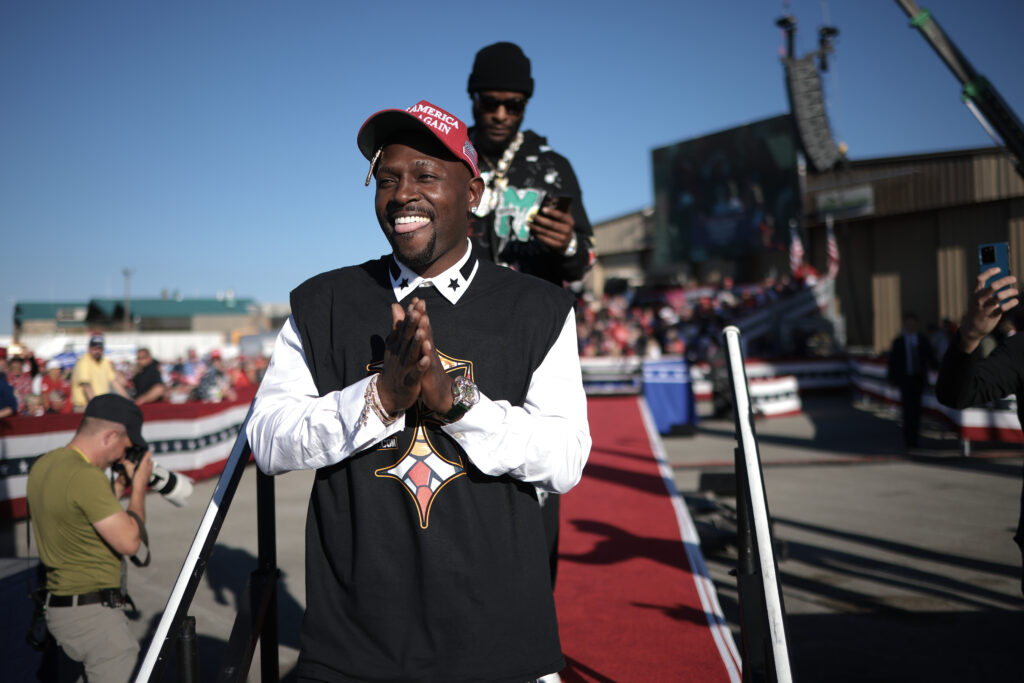
Sharing his reaction on social media, Le’Veon Bell addressed the criticism aimed at Bad Bunny with a comparison that immediately resonated.
“Being mad at Bad Bunny for singing in Spanish while eating chips, salsa, guac, and drinking tequila is wild!” Bell wrote.
The comment cut to the heart of the debate. Bell pointed out that many fans who criticised Bad Bunny’s use of Spanish were simultaneously embracing elements of Latin culture without hesitation.
Rather than defending Bad Bunny purely as an artist, Bell framed the issue as one of selective outrage. His post suggested that language becomes a problem for some fans only when it challenges narrow ideas of what mainstream American entertainment should look like.
Bad Bunny Super Bowl criticism sparks wider debate
The backlash against Bad Bunny emerged after his high-profile Super Bowl appearance, where some viewers complained about not understanding the lyrics because he performed primarily in Spanish.
That reaction stood in contrast to the NFL’s increasingly global audience and its willingness to embrace international markets, players and influences.
Critics argued that the outrage revealed discomfort with cultural visibility rather than any genuine concern about inclusivity.
Bell’s response gained traction because it avoided lecturing. By using everyday imagery familiar to Super Bowl viewers, he highlighted how deeply ingrained Latin culture already is in American sports viewing habits.
Bad Bunny’s success has continued regardless of the backlash, reinforcing the idea that language barriers do not limit global appeal. Bell’s comment simply put words to what many were already thinking.
Receive exclusive football transfer news and updates twice a week to your mailbox