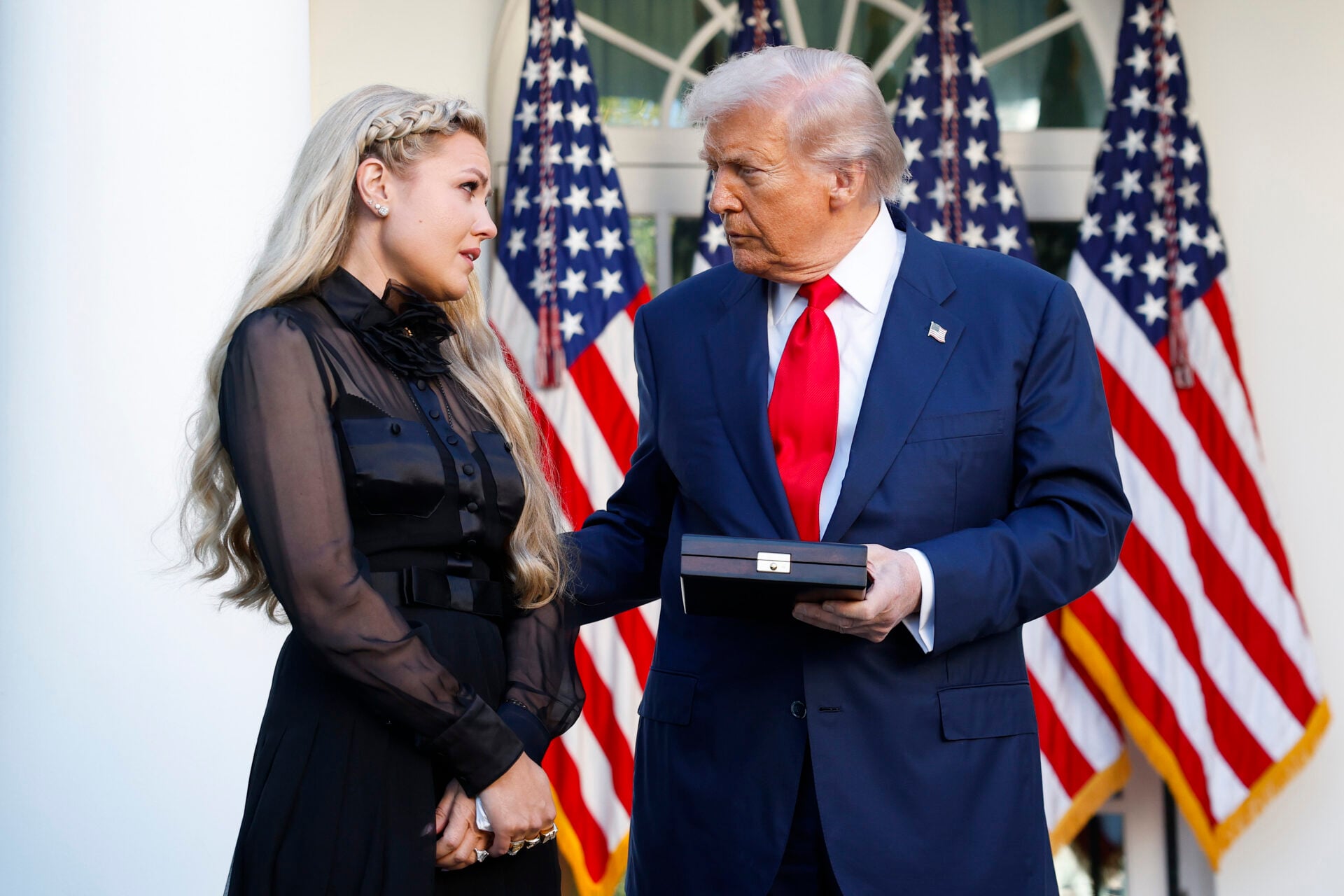

Donald Trump’s Super Bowl 60 reaction continues to draw scrutiny, not because of what he said, but because of what he was seen watching.
Despite publicly slamming Bad Bunny’s halftime performance, new footage from Trump’s own Super Bowl party has raised fresh questions.
Footage shows Bad Bunny’s performance at Donald Trump’s Super Bowl party
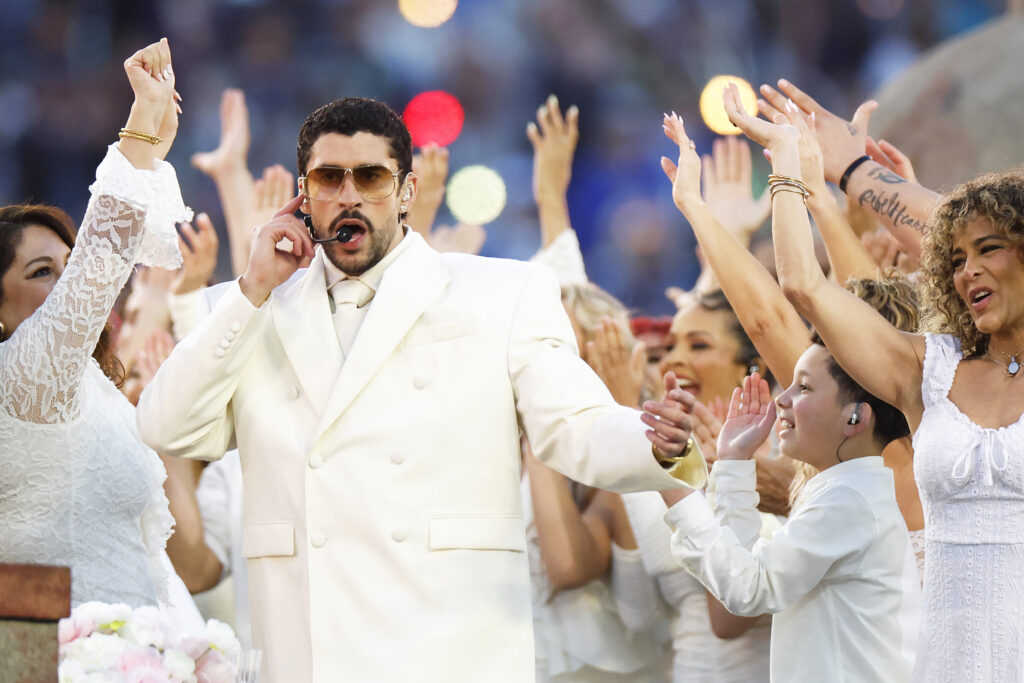
Video shared by PatriotTakes on X shows Bad Bunny’s Super Bowl 60 halftime show playing on large screens inside Donald Trump’s golf club during his Super Bowl watch party.
The clip immediately stood out because it directly contradicted Trump’s public stance on the performance.
In the days following the game, Trump harshly criticised Bad Bunny, calling the halftime show one of the worst in Super Bowl history.
He framed the performance as inappropriate, unrepresentative of American values, and harmful for young viewers.
That rhetoric made the footage surprising. Rather than turning off the broadcast or switching feeds, the halftime show appeared to be playing uninterrupted at his own event.
The moment quickly went viral, not because of the music, but because of the inconsistency it suggested.
Why Donald Trump skipped Erika Kirk’s Turning Point show
The contradiction became sharper when viewed alongside Trump’s apparent lack of interest in Erika Kirk’s Turning Point USA alternative halftime show.
While Trump publicly aligned himself with criticism of the NFL’s main halftime act, there was no indication that he chose to highlight or promote the Turning Point broadcast during his event.
The alternative show was marketed as a family-friendly option positioned directly against Bad Bunny’s performance. Supporters framed it as a cultural counterweight, designed for viewers unhappy with the NFL’s direction.
Yet the footage suggested Trump did not prioritize that alternative. Instead of spotlighting the Turning Point show, his venue appeared to follow the standard Super Bowl broadcast.
That detail has fueled accusations of double standards. Trump’s criticism was loud and unequivocal, but his actions appeared more passive.
At a moment when Trump positioned himself as a vocal opponent of the halftime show, the visual evidence complicated that message. The result was not a debate about music, but about credibility.
Receive exclusive football transfer news and updates twice a week to your mailbox