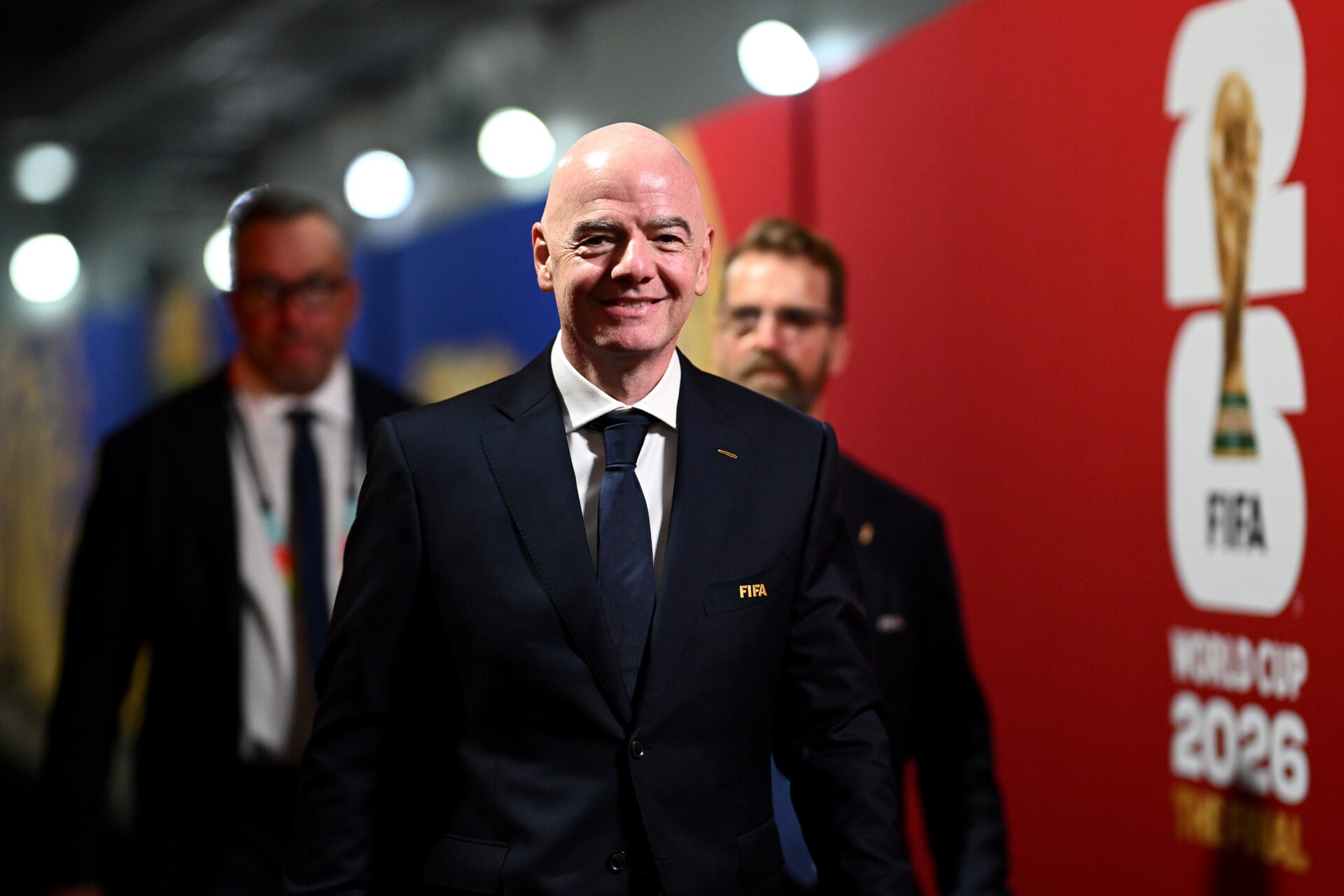

Gianni Infantino is an expansionist and the swollen, 48-team 2026 World Cup might not be the end of his campaign for FIFA to swallow up more and more of world football.
Not only did the World Cup welcome 16 extra teams this time around but it did so for a tournament which spanned an entire hemisphere, with the United States joined by Canada and Mexico as hosts.
It also came a year on from the inaugural edition of the expanded Club World Cup, a 32-team affair in the US with a $1bn prize pot, with Infantino desperate for FIFA’s tentacles to reach into the club game, too. At the next editions of both the Club and international World Cup, Infantino wants 64 teams.
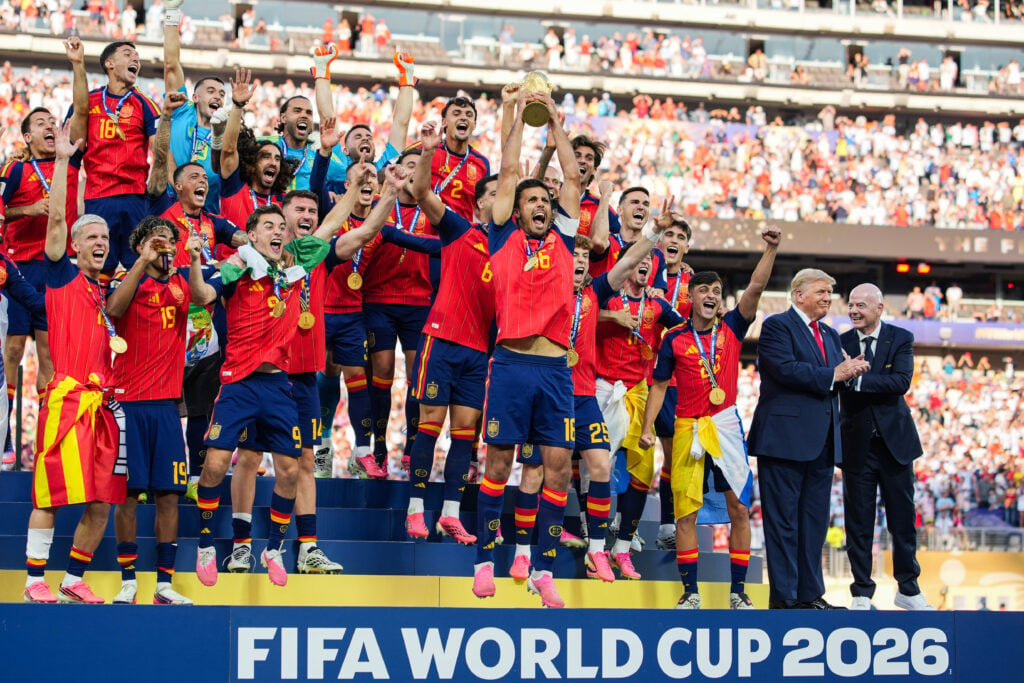
Spain were crowned champions in New Jersey last night, with Infantino watching the snooze fest of a final against Argentina alongside US president Donald Trump, who tried his utmost to muscle his way into Luis de la Fuente’s side’s celebrations on the podium. Later, the pair exchanged pleasantries with the Saudi Public Investment Fund’s Yasir Al-Rumayyan. No Salt Bae this time, though, unlike the 2022 final.
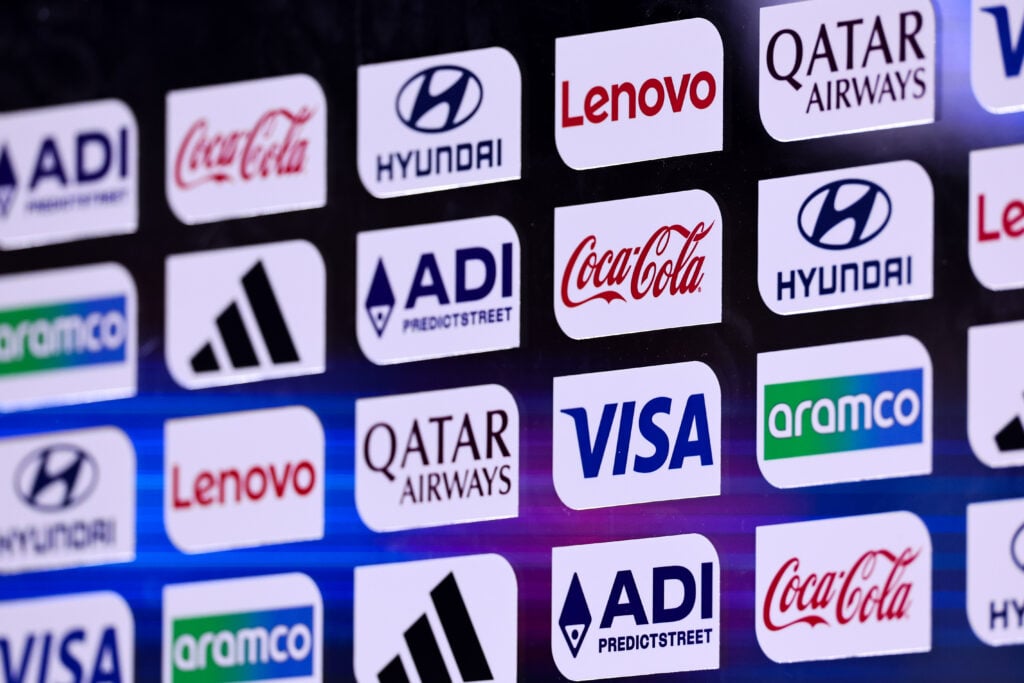
The dignitaries and sponsors on the pitch, in the luxurious corporate hospitality suites and buzzing around FIFA House, the organisation’s official private members’ club for the tournament, were emblematic of the most commercially-obsessed World Cup in history.
In the end, the median ‘get-in’ price across the tournament’s 104 games was around $1,000. Some pitch-side seats for the final went for $1m. FIFA is even cutting up and selling tiny squares of the turf at the MetLife, an exercise from which it hopes to raise seven, perhaps even eight figures. There is a head-spinning number of instances where FIFA has sold anything and everything at the highest price to the men with the fattest wallets and egos.
And while Infantino may have paid lip service to the Cape Verdes and Curacaos of this world, it was America, the world’s commercial mecca, that FIFA so obsequiously courted with this Frankenstein’s monster of a tournament.
So, is this the style of World Cup we should all get used to from now on?
FIFA set to obliterate revenue record; Infantino will feel vindicated by most commercial World Cup in history
Ahead of the World Cup, FIFA were targeting revenues of $13bn over the course of the four-year cycle which effectively ended yesterday in New Jersey.
But as reported by The Guardian, world football’s governing body has now emailed its member associations to tell them to expect an announcement relaying revenues closer to $15bn.
With Trump telling Infantino that the World Cup should return to the US and the US alone in the near future, the figures will certainly do nothing to dissuade the FIFA president of making that a reality.
One legacy of the 2026 World Cup is likely to be the continuance of the officially sanctioned secondary ticket market at future tournaments, as well as potentially in the European club game.
FIFA facilitated the scalpers who sell tickets for huge profits through its own resale platform, taking a 30 per cent cut from ticket sales every time, allowing the organisation to effectively sell the same ticket over and over again.
TV rights are also up significantly, and the US rights alone are projected to fetch up to $3bn across the 2030 and 2034 World Cups, up from just $485m this time around. Hydration breaks, which effectively split the action into four quarters and allow broadcasters to smuggle in more adverts, will be key here.
Receive exclusive football transfer news and updates twice a week to your mailbox