
Financially, Everton are unrecognisable from the club they were a little over 18 months ago, when The Friedkin Group took over the club from Farhad Moshiri.
First and foremost, the club have reorganised their debts at more favourable, long-term rates.
On the pitch meanwhile, Everton re-appointed David Moyes as manager, over a decade on from his departure for Manchester United. And while their 2025-26 campaign ended with a whimper, they were never in any danger of relegation, as had been the case in their final few seasons at Goodison Park.
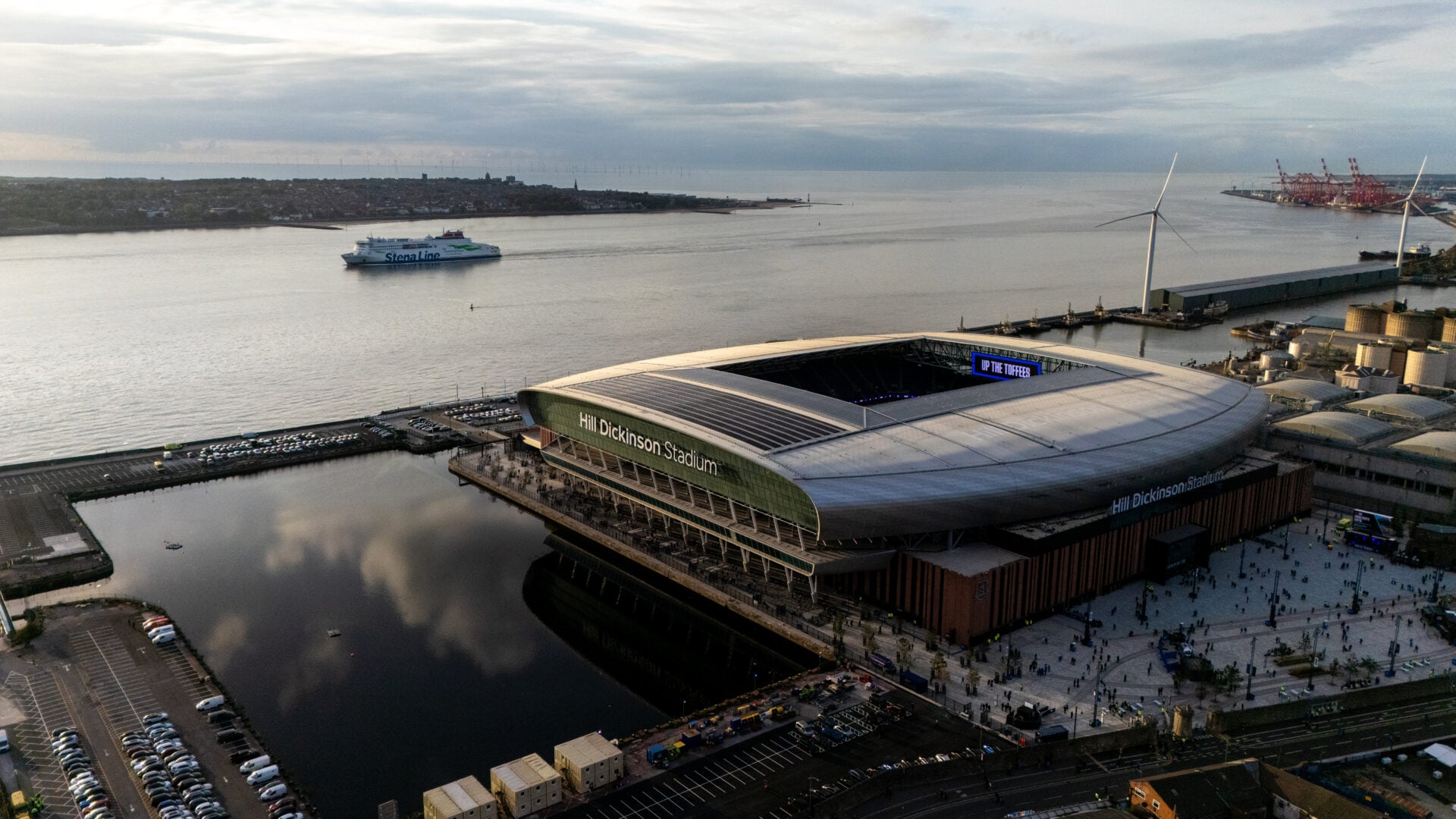
The biggest difference, however, is clearly the move to the Hill Dickinson Stadium.
The £800m venue is expected to have given Everton around £50m in extra revenue for 2025-26 compared to the previous season, though we won’t know for sure until the accounts are released in the spring.
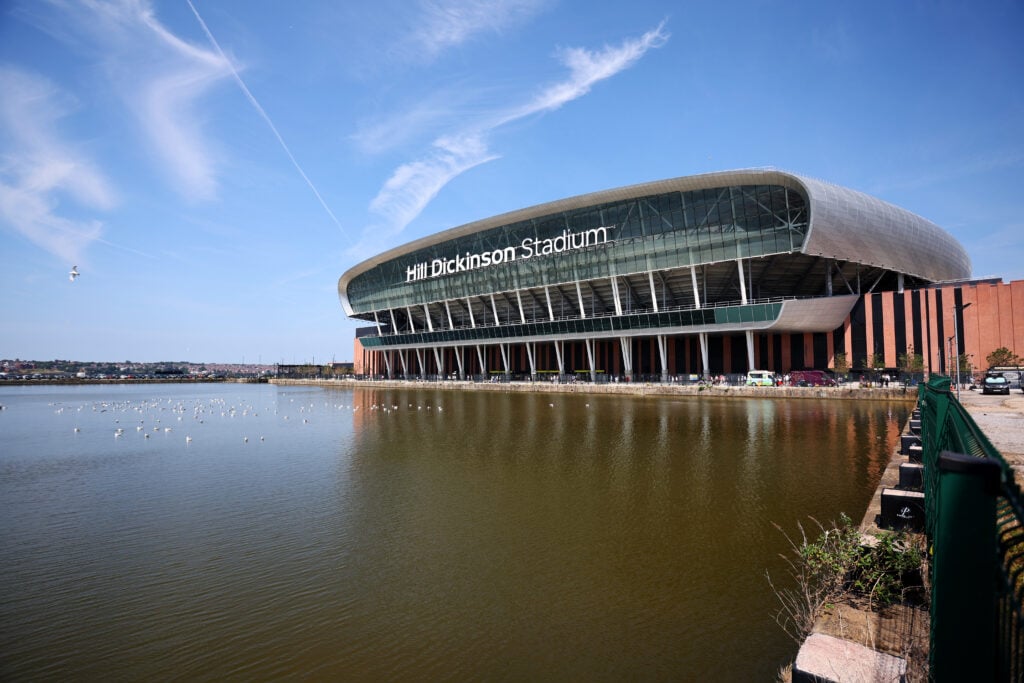
In an era when new Premier League SCR rule indexing a club’s spending allowance to turnover, the 52,850-seater stadium will give the Toffees an inherent advantage on pretty much every top-flight club outside the so-called ‘Big Six’.
In truth, however, the full extent of the financial benefits to Everton and indeed to the City of Liverpool will take years to fully present themselves. And the latest news from Bramley Moore Dock illustrates why.
Everton set to benefit from ‘gargantuan’ North Docks development
Earlier in the month, a six-week consultation period for the redevelopment of a 430-acre site on Liverpool’s North Docks began.
A mayoral development corporation will, subject to the outcome of the consultation, oversee the development, which is slated to see nearly 18,000 new homes built as well as a park, a skyscraper, offices and more.
The Hill Dickinson Stadium has, it is widely agreed, been the catalyst for the regeneration. It will certainly be its most visible and striking feature.
In sports business, stadium-led regeneration is very much in vogue. Speaking exclusively to HITC, the University of Liverpool’s Professor Kieran Maguire, who lectures in football finance, explained how the wider development of the waterfront fits into Friedkin’s grand ambitions for the club and the stadium.
“It is a gargantuan project,” said the Price of Football podcast host and author.
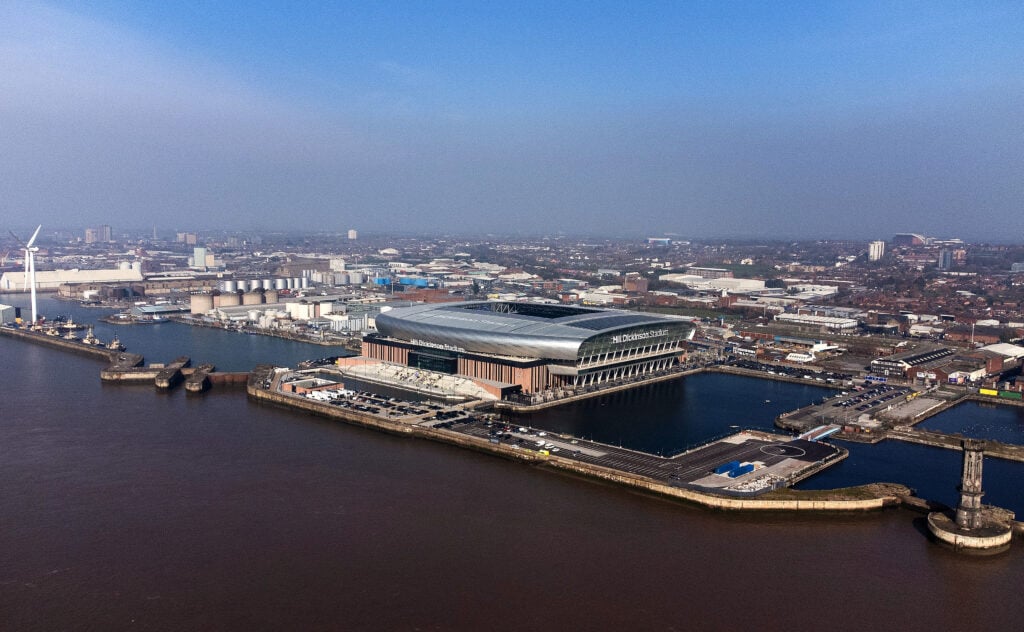
“It does involve a lot of coordination between the club, local government and third parties. The Friedkin Group intend for the Hill Dickinson Stadium to complement a broader development in that part of Merseyside.
“I live within walking distance of it. If you walk further up my road, you get to the docks. There is a real opportunity for economic stimulation there.
“They have seen what has happened at Manchester City in terms of the club’s stadium acting as a lightning rod to attract punters to the complex, then stay for the hotel, the bowling alley, the bars and so on. They effectively market each other and you get that natural growth and economic success.”
- READ MORE:
Receive exclusive football transfer news and updates twice a week to your mailbox