
Lionel Messi is an unlikely commercial superstar, in many ways.
He’s introverted, even shy. In Argentina, the 39-year-old is routinely defined in contrast to Maradona, who lived out loud.
Messi doesn’t transcend sports and culture, like Michael Jordan. He doesn’t have the rhetorical genius or gravitas of Muhammad Ali. He doesn’t have the looks and easy charm of Roger Federer.
And yet, Messi is a billionaire on the strength of his brand.
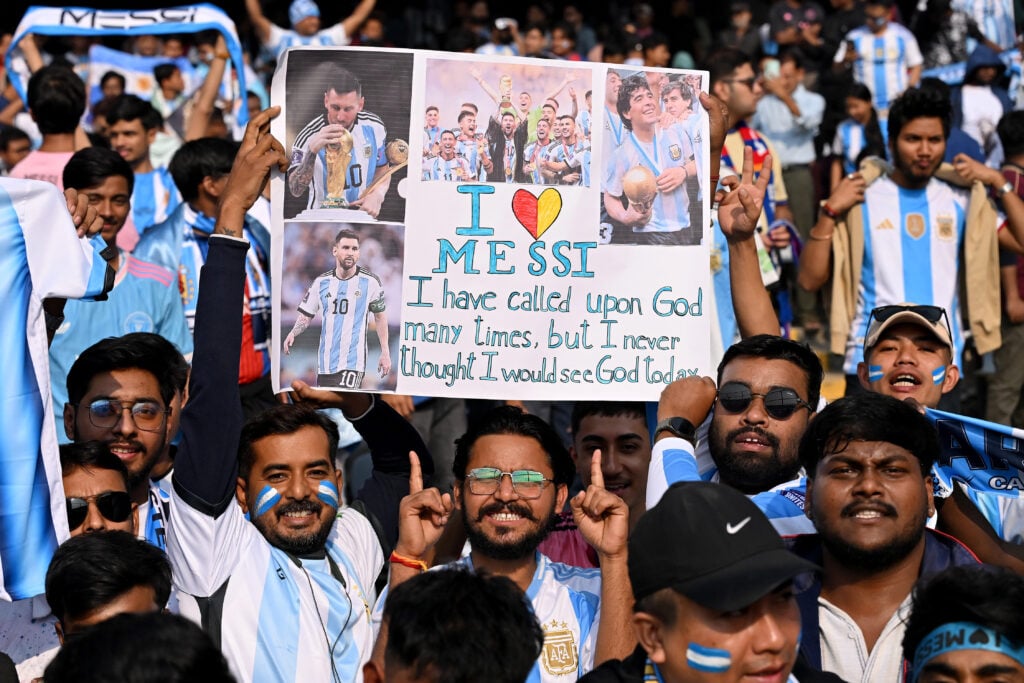
He made $70m on the pitch last year and around the same amount through his various endorsement deals. He may be reserved but, to borrow a cliché, he does his talking on the pitch. The World Cup’s all-time leading scorer and perhaps the greatest to ever play the game, his value to sponsors comes from being associated with true, epochal greatness.
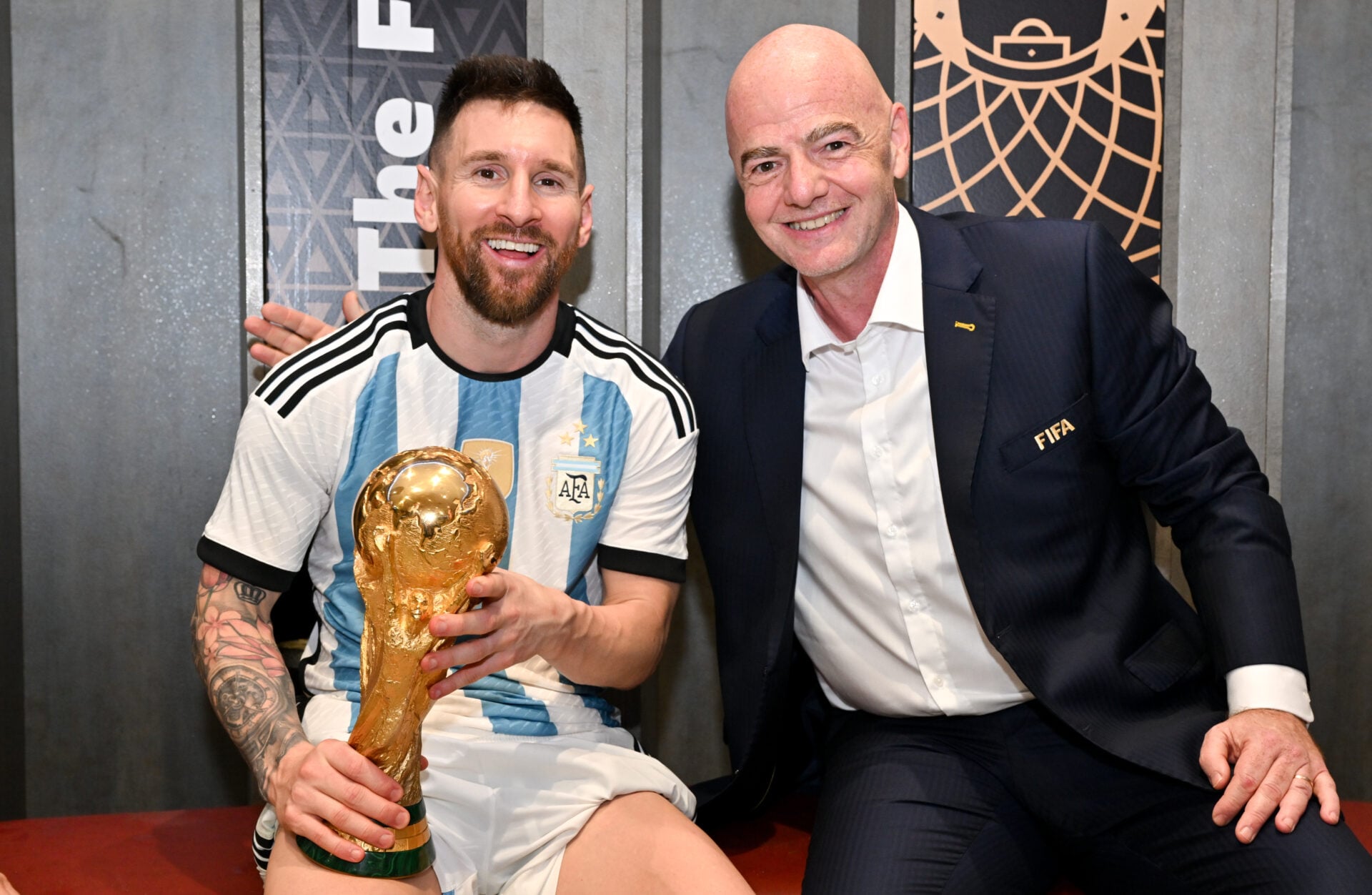
To FIFA, who have made the 2026 World Cup the most nakedly commercial in history, Messi is a goldmine.
Messi and FIFA share Adidas deal; football finance expert explains commercial relationship
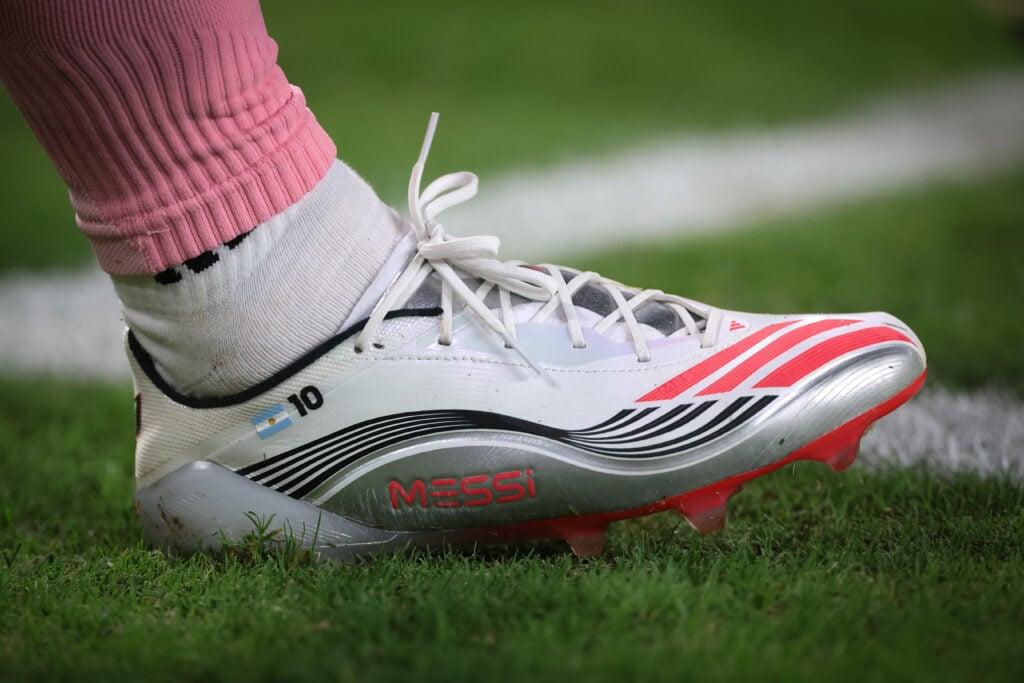
Messi and FIFA share many of the same sponsors. They both have deals with Lay’s, Lego and AB InBev, for example. But by far the biggest mutual commercial partner is Adidas.
Adidas’ deal with FIFA is estimated to be worth $800m over the course of its contract, whose latest iteration began in 2015 and runs until the World Cup in 2030. Messi’s lifetime deal with the German sportswear titan meanwhile will see the Argentina skipper trouser about $1bn.
Some of Messi’s more conspiratorially-minded detractors have pointed out the crossover between his financial interests and FIFA’s, especially after Argentina have benefitted from generous refereeing calls, such as in their dramatic 3-2 comeback win over Egypt this week.
Even Egypt’s manager, Hossam Hassan, even said the round-of-16 ding-dong was “completely rigged”.
FIFA’s chief refereeing officer, Pierluigi Collina, has rubbished that claim. And the scrutiny from betting partners and the anti-corruption league mean that it would be nigh on impossible to fix a World Cup in the modern day.
But while there is no suggestion of interference, it is hard to argue that it is not in FIFA’s interests for Messi to remain at the tournament in the United States, where Argentina face Switzerland on Saturday. Just look at what happened to ticket prices after Argentina booked their place in the quarter-finals.
“We saw in 2025 that FIFA were doing somersaults to ensure that Messi’s Inter Miami were participants in the Club World Cup,” says University of Liverpool football finance expert Professor Kieran Maguire, speaking exclusively to HITC.
“They will go to any length to have the global brands of football at their main events – and the two main brands are Lionel Messi and Cristiano Ronaldo. FIFA decided to reduce Ronaldo’s suspension going into the tournament, for example.
“There is a danger now that the integrity of the World Cup has been chipped away at with the Balogun decision. It’s all aimed towards pleasing a particular market. That’s dangerous because, once trust is lost, it’s very difficult to regain. You grow it in millimetres but lose it in metres.
“FIFA’s desire to maximise revenues and brand recognition means they are at risk of losing the trust of some fans. At the same time, there will be some fans who don’t care. They are not die-hards; they are there for the experience and the Instagram opportunity. Are the days of the die-hard fan over? They don’t have the wealth or the desire to buy the products and services that FIFA are selling.
“FIFA are gambling on the fact that, because we’re operating in a 24-hour news cycle, fans will forget about it. If Argentina go on to win the World Cup, Infantino will be beaming from ear to ear.”
Receive exclusive football transfer news and updates twice a week to your mailbox