
The UFC’s newly announced $7.7 billion broadcast deal is being hailed as a major step forward for the sport, but not everyone is convinced it is entirely good news.
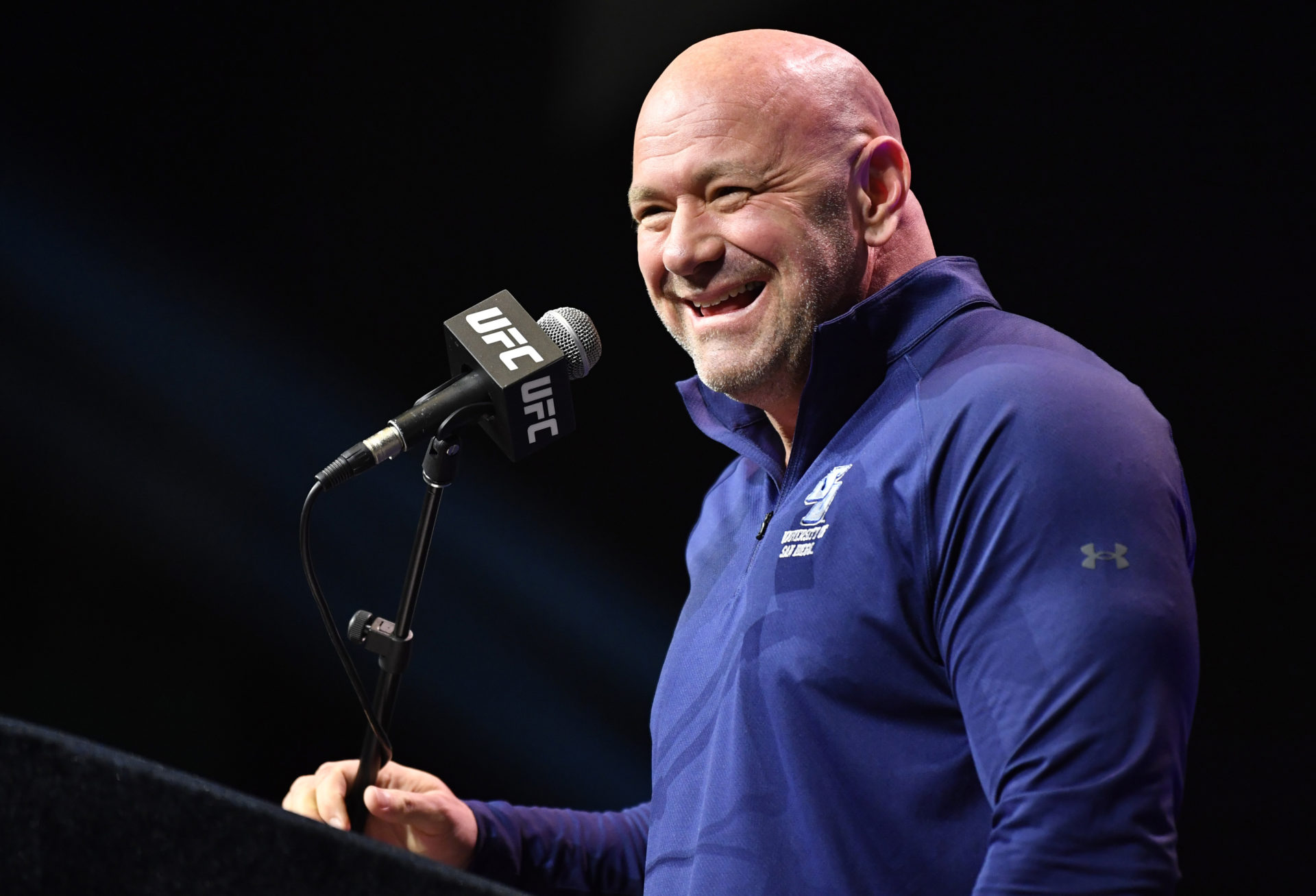
On Monday, UFC boss Dana White revealed that the company will be moving away from its traditional PPV model, following a U.S. broadcast agreement with Paramount worth $7.7 billion.
This change means fans in the United States will no longer have to pay over $70 for each event, and will instead just need a Paramount+ subscription. Understandably, many are pleased with the move.
But Jake Paul, one of White’s most vocal critics, has highlighted several reasons why this shift might create some issues for fighters.
What the UFC’s $7.7 billion broadcast deal could mean for fighters

The deal includes coverage of all 13 main events – previously known as pay-per-views – along with 30 Fight Night cards.
At first glance, this looks like a win for fans, as the number of events stays consistent with what they have come to expect from the ESPN era.
But over the past year, many fans have noticed a drop in quality. The schedule seems stretched thin, and a lot of Fight Night cards have lacked depth and star power.
Now that pay-per-view sales are no longer a factor, there is a real question about whether even the numbered events might also start to feel watered down.
The upside is that more people will likely tune in now that it is easier to access. Even though Paramount+ does not have the reach of Netflix or ESPN yet, making every event available through one subscription should draw in new fans.
One big concern is how this affects fighters’ pay. Without PPV sales, they lose out on those points – a key part of contract negotiations for top names. So what takes their place?
In other major leagues like the NFL, players get a guaranteed share of revenue – up to 50% in some cases.
It is not clear if the UFC will move in that direction. Without a fighters’ union to back them up, nothing is set in stone just yet.
- READ MORE: Dana White confirms UFC has signed a billion-dollar deal that ends pay-per-view in the US
Fighters may take time to see the true impact of this deal
It is likely that fighters will have to work this into their contracts themselves, which could be tough for those without much leverage or name recognition.
At this stage, it is far too early to know how things will play out. It is a huge deal and should mean more money for everyone involved, but the reality might take a while to become clear.
Receive exclusive football transfer news and updates twice a week to your mailbox