
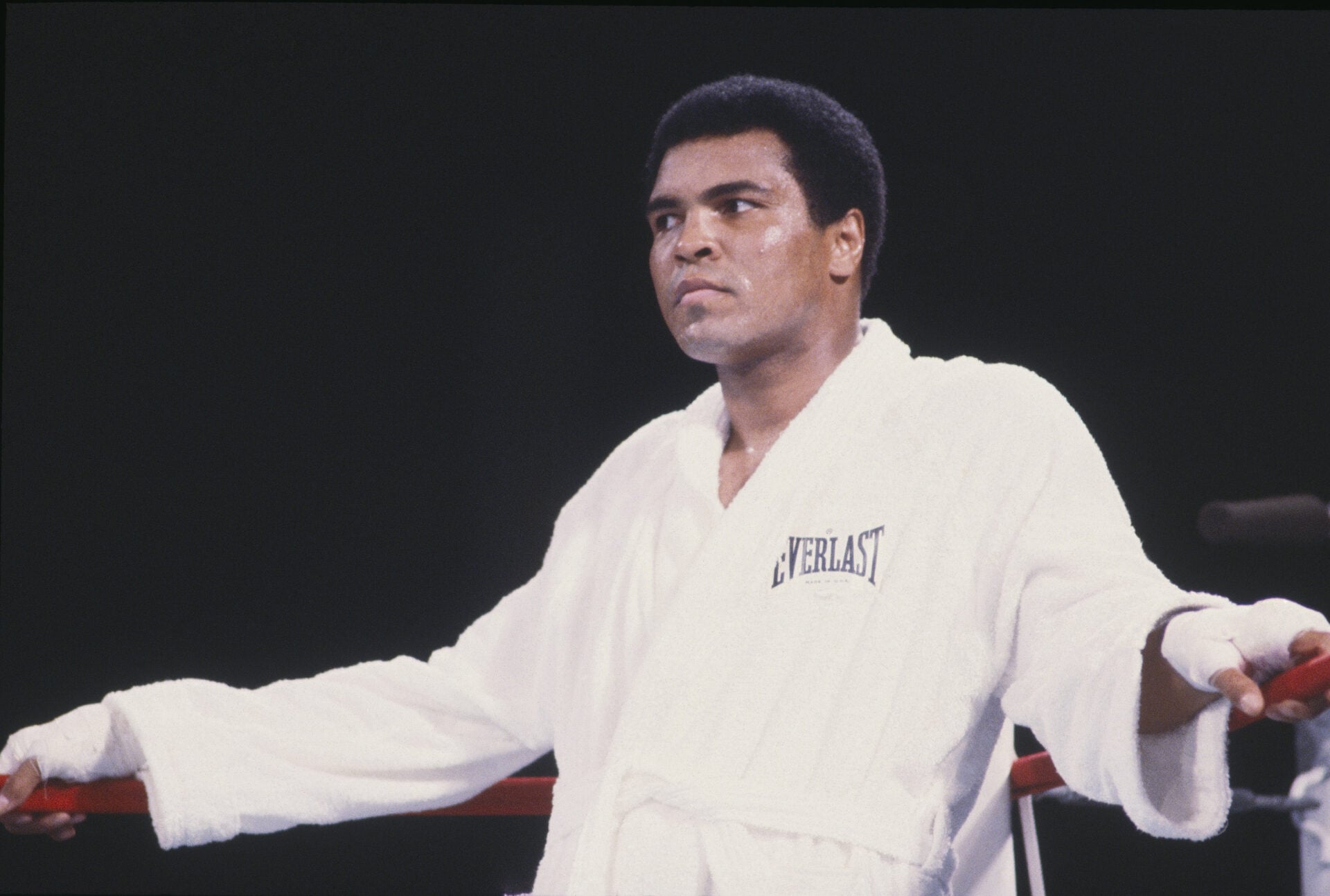

Terence Crawford has once again sparked discussion in the boxing world with a brutally honest assessment of why he feels following in Muhammad Ali’s footsteps is “not worth it,” even as he reflects on his own legendary career.
Ali is widely regarded as one of the greatest boxers in history, but his later years were deeply affected by a neurological condition that many associate with his time in the ring.
Crawford’s comments highlight a personal reckoning with the physical and emotional costs of life at the top.
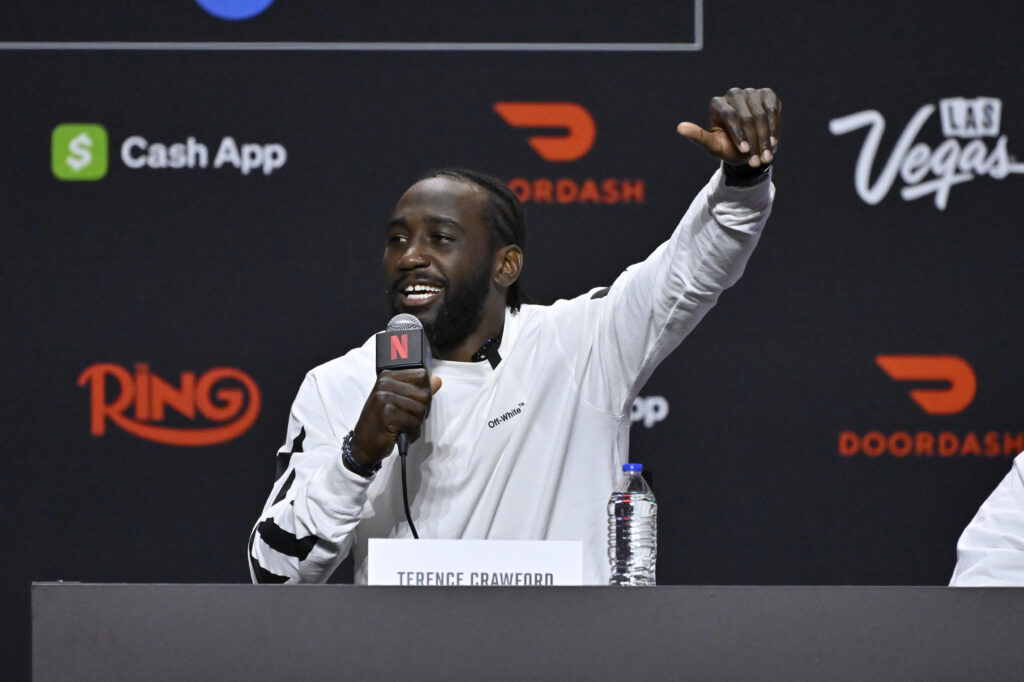
Terence Crawford reflects on Muhammad Ali’s decline and boxing toll
Speaking on The Pivot podcast, Crawford addressed the legacy of Ali, sticking to his belief that greatness in the ring can come with a heavy price.
“We all look up to Ali as the most iconic boxer ever, and to see him deteriorate [as] he did, we don’t want to be like that,” Crawford said.
He added: “You’re the greatest fighter of all time, but you can’t even take care of yourself. You can’t even wash your own a__.”
Ali was diagnosed with Parkinson’s disease in the early 1980s, shortly after retiring from boxing, and lived with the condition for more than three decades before his death in 2016.
The disease affected his motor skills and speech, and although doctors debate how much his boxing career contributed compared with genetic and other factors, his later life became a powerful symbol of the challenges fighters can face long after they leave the ring.
Terence Crawford explains why he chose to retire from boxing
Crawford has himself stepped away from professional boxing, announcing his retirement at age 38 after an incredible run that saw him remain undefeated with a record of 42-0 and capture titles across multiple weight divisions, including becoming undisputed champion in the super-middleweight class.
His reason for retiring dovetails with his remarks about Ali’s decline, as Crawford has made it clear that preserving his quality of life beyond the sport is a priority.
“Do I want to go through that? Is it worth it? No, it’s not! It’s not worth it,” Crawford revealed.
By publicly tying his decision to the example set by Ali’s later years, Crawford has sparked a broader conversation about how the sport’s greatest figures balance legacy with personal well-being.
Whether or not boxing contributed directly to Ali’s Parkinson’s is complex and still debated among medical professionals, but there is little doubt his post-career health struggles remain one of the most discussed aspects of his legacy.
Receive exclusive football transfer news and updates twice a week to your mailbox