
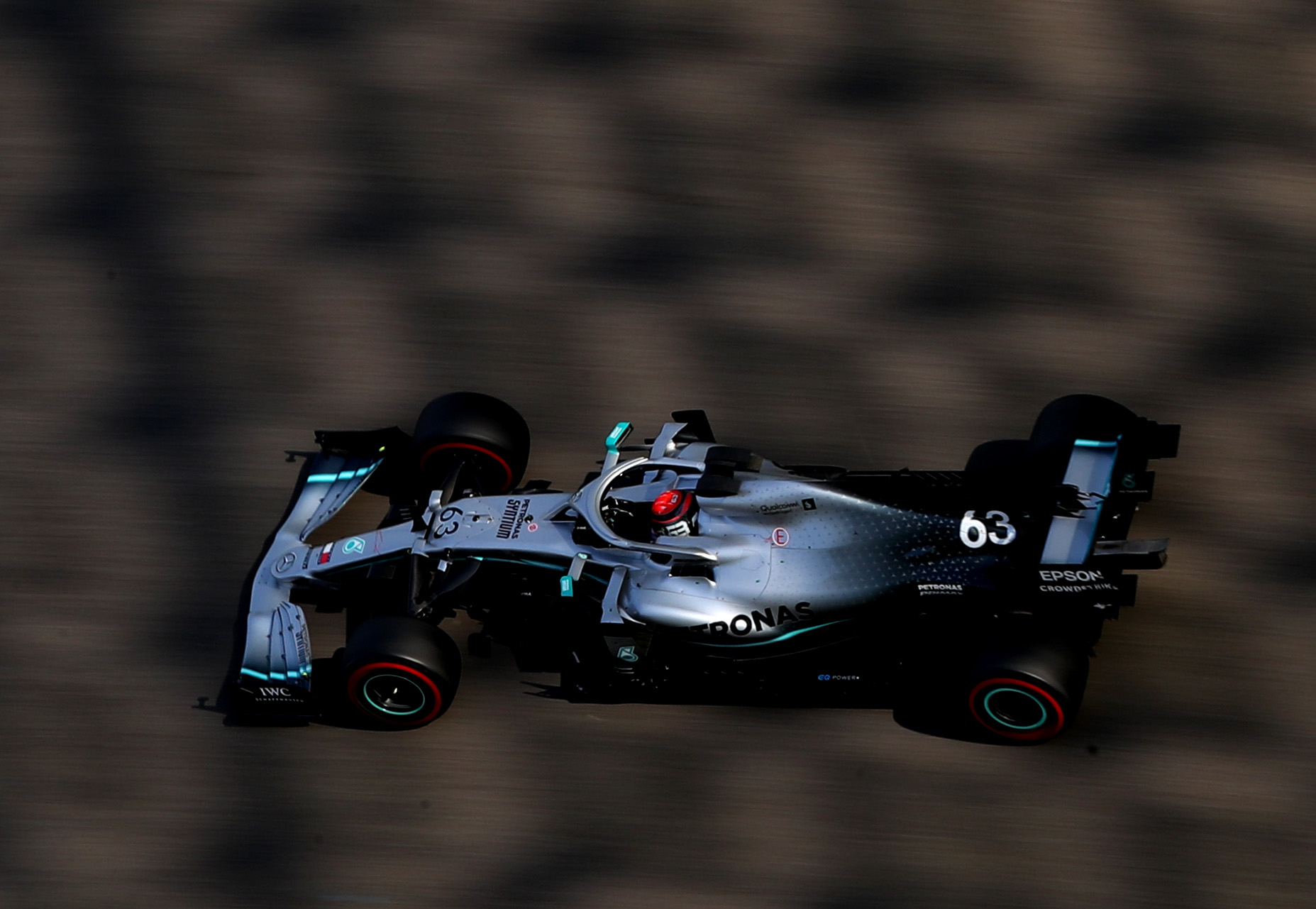

Formula 1 could see more vibrant liveries in 2026 as part of an effort to reduce the amount of exposed carbon fibre on cars.
On Friday, November 14, the F1 Commission met to go over several changes to the regulations for next season, including steps aimed at making the sport more visually engaging.
The extensive use of exposed carbon fibre on car liveries has been a regular talking point, with many teams choosing it in recent years as a way to cut down on weight. The new rules are designed to bring back more colour and individuality.
After further talks this week with the Technical Advisory Committee, an agreement was reached to introduce new livery requirements.
The updated guidelines will require teams to paint or sticker at least 55% of their cars’ visible surface area when viewed from above and from the side. This change moves away from bare carbon fibre in favour of more traditional painted finishes.
The F1 Commission noted: “The objective of this measure is to increase visual differentiation between cars.”
Mercedes have the chance to revisit a classic look with new livery rules
The move away from overusing carbon fibre should be a welcome one, as it could bring back some of the visual flair that has been missing in recent years.
Formula 1’s most memorable cars are often remembered for their standout designs, like the McLaren MP4/4, Williams FW14B, and Renault R-26.

The increased use of carbon fibre on liveries has stripped away some of the uniqueness and character that once defined the sport’s look. Some teams now lean on simple paint jobs or monochrome colour schemes instead of full designs.
Mercedes has gone back to their silver base, but there is still quite a bit of black in their current design. With new regulations in place, they now have a reason to bring back more vibrant livery styles from their past.
Known as the ‘Silver Arrows’, Mercedes earned this nickname thanks to its iconic silver paintwork. In recent years though, silver hasn’t been featured much on its car designs.
Since then, Mercedes has moved away from its traditional look. However, with 2026 changes coming in soon, there’s nothing stopping them from going all-in with a full-silver livery again.
This marked just another chapter in Mercedes’ evolving identity. However, changes set for 2026 could see them fully embrace silver once again.
Colourful liveries deserve more than just occasional appearances
Teams have tended to hold back more creative designs for specific races, rather than using them throughout the season.
This has meant that colourful liveries are saved for special events, leaving the rest of the calendar looking a bit dull by comparison.
The Racing Bulls have stood out in this area, recently unveiling a bright pink car in Miami and a glittering design for Las Vegas last season.
Early 2024 brought high hopes when Alpine teased a pink camouflage livery before the season began, but it never made it onto the track. The design was dropped before it ever reached the grid, leaving fans disappointed with what replaced it.
No team has gone all-in on bold permanent liveries in recent seasons, so a change like this might be just what’s needed to shake things up.
The new rules will push teams to get creative, and hopefully lead to fewer generic black covers over carbon fibre and more distinctive looks inspired by F1’s past.
Mandatory two-stop strategies still under review
The F1 Commission also took the opportunity to discuss the future of mandatory two-stop strategies, which have been floated as a way to add more excitement to races.
The topic has picked up momentum online recently, but there’s still no clear decision on whether it will be introduced next season.
Input was gathered from both teams and tyre supplier Pirelli, but for now, the Commission has decided to hold off on any changes and revisit the issue at a later date.
Another point addressed during the meeting was around permanent driver numbers. Introduced in 2014, this system will soon see drivers able to change numbers during their careers.
This allows newer drivers to choose numbers previously held by others once they become available after a two-year cooling-off period.
READ MORE: Why Christian Horner lost influence at Red Bull as Laurent Mekies stepped up technically
Receive exclusive football transfer news and updates twice a week to your mailbox