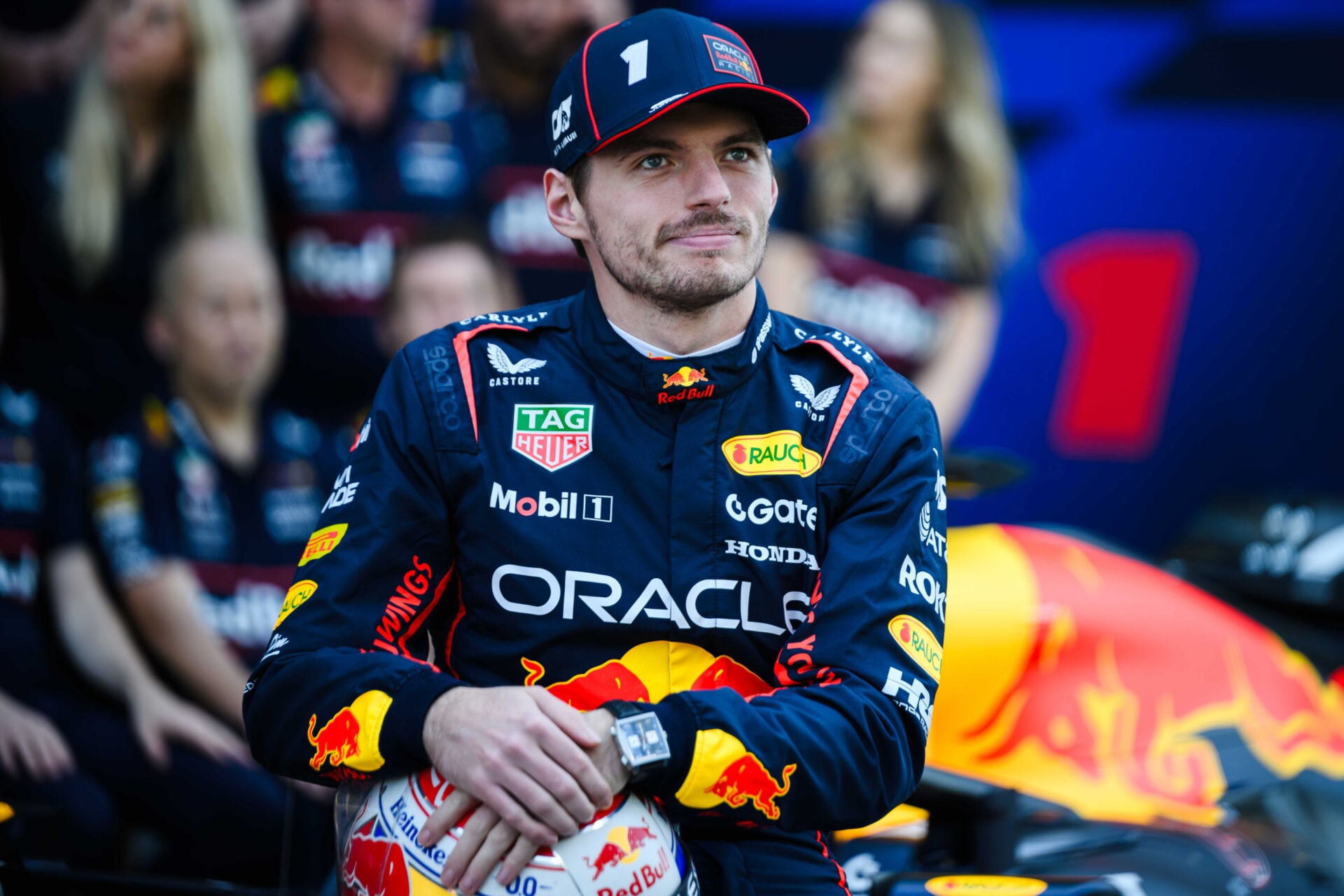

Red Bull are set to begin a new chapter in 2026, when Max Verstappen’s team step into the role of an F1 engine constructor for the first time, supported by Ford and the introduction of fresh power unit regulations.
Across their opening 21 years on the grid, Red Bull operated solely as an engine customer. The journey began with Cosworth power in 2005 after they took over Jaguar’s struggling operation. They then transitioned through Ferrari (2006), Renault (2007-18), and Honda (2019-25).
Honda initially planned to withdraw from Formula One in October 2020, which led Christian Horner, then F1 CEO and Red Bull Racing team principal, to set up Red Bull Powertrains. He later persuaded Ford to come on board as a technical partner in February 2023.
The first engine produced by Red Bull Powertrains is set to debut on the grid in 2026, following the conclusion of their deal with Honda in 2025. Honda reversed their decision to leave Formula One and instead signed an exclusive works partnership with Aston Martin in May 2023, influenced by the regulatory changes coming that year.
Ford admits they’re still figuring out the electrical side of F1 engines
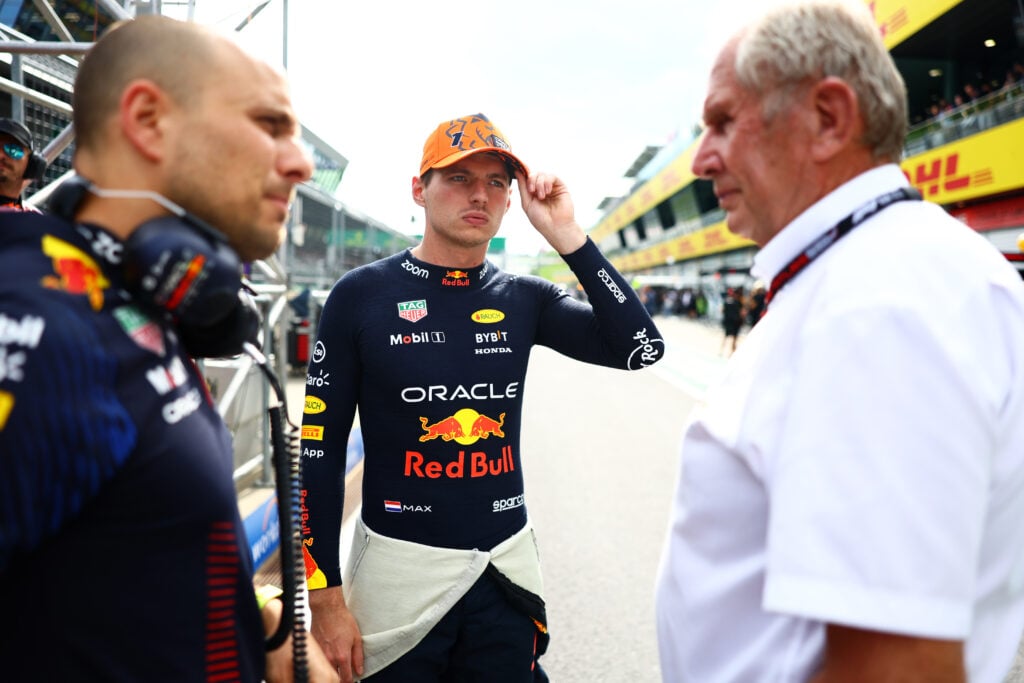
The 2026 rule changes will place greater emphasis on the engine, shifting from a 20/80 to a 50/50 split between electrical and combustion power, along with the introduction of fully sustainable fuels. Driver management of electrical power will become increasingly significant during races.
Red Bull teamed up with Ford to benefit from their background in hybrid technology. The move came after discussions with Porsche fell through, opening the door for Ford to step in.
Now, as Red Bull’s new combustion engine prepares for its debut in 2026, Mark Rushbrook admits there’s still plenty for Ford to figure out on the electric side.
Max Verstappen won’t want to hear Ford is ‘still learning a lot’ about F1 engines
When Red Bull first teamed up with Ford, the focus was on the electrical side of their new in-house engine, especially around the battery, inverter, and software. But as Ford’s road car business changed direction, their involvement in the project also grew.
But it won’t sit well with Verstappen that Rushbrook isn’t fully confident in Ford’s capabilities yet. The 2026 regulations put even more emphasis on the electrical side of the engine, an area where Red Bull needs solid backing from Ford.
There are reports suggesting that Red Bull has found a loophole in the 2026 engine rules that could allow them to increase combustion rates from 16:1 to 18:1. Even so, if Verstappen ends up having to manage his energy due to limitations on the electric side, it could still pose problems.
Receive exclusive football transfer news and updates twice a week to your mailbox