
By Geraint Anderson, the former City banker and bestselling author of
Cityboy.
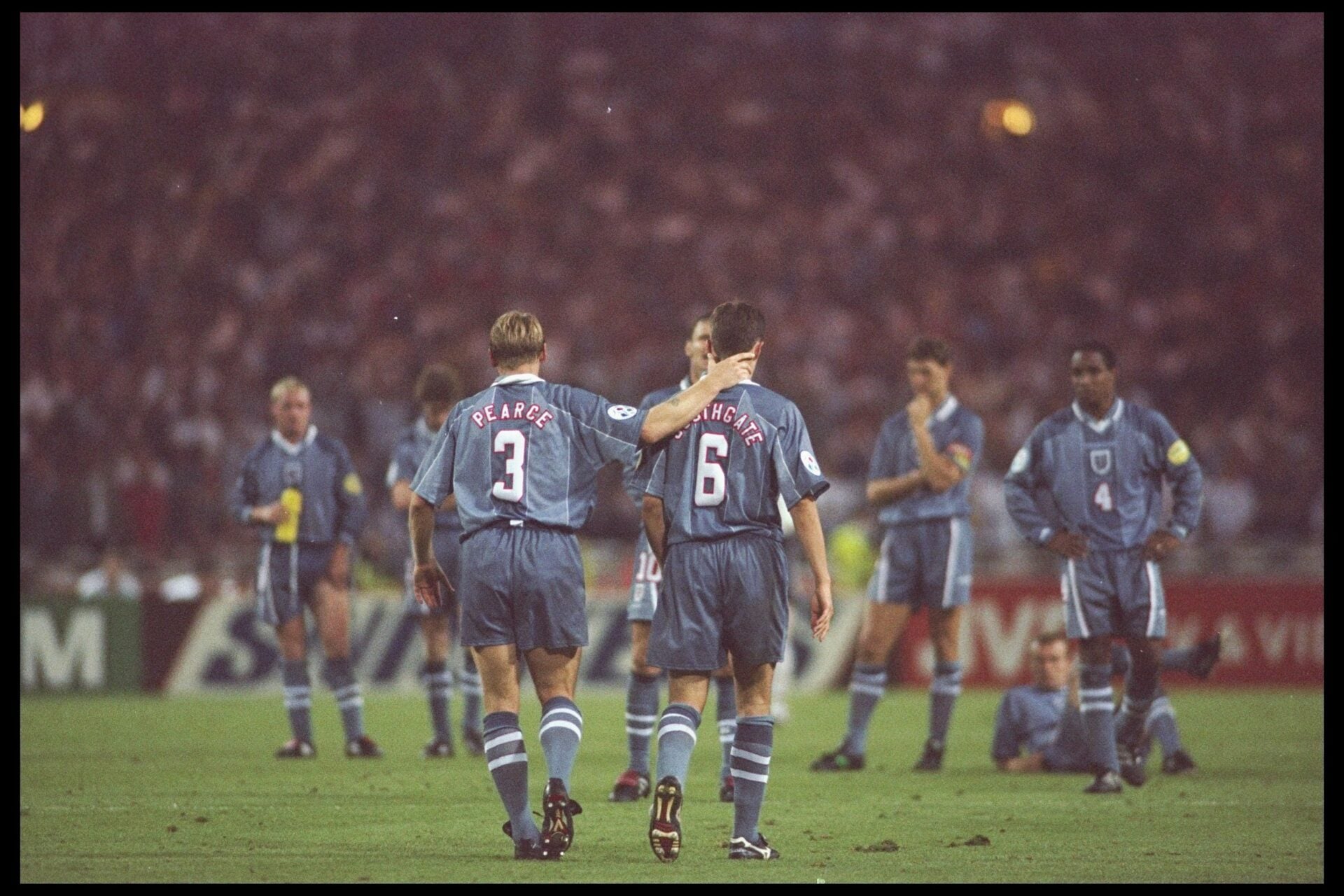
Every four years England approach the World Cup with the same mixture of hope, dread and
emotional instability that I used to feel checking my ex-girlfriend’s Instagram feed at 2am.
We convince ourselves this year will be different, that the squad looks stronger and that
finally, football will be coming home. Then somebody misses a penalty and we all sit around
wondering how we could have been so daft to dream such fancies.
The strange thing is that England are rarely short of talent. The country that produced Bobby
Charlton, Paul Gascoigne, David Beckham, Wayne Rooney and Harry Kane should really
have won more than one World Cup and this fact raises an awkward question: perhaps
England don’t lose because they aren’t good enough, but because they’re just too nice.
If we are to have any chance of bringing football home, then maybe we need to forget that
‘gentlemanly conduct’ nonsense and, instead, nurture ‘our inner psychopath’.
It seems to me that many World Cup winners possess a level of cold-blooded ruthlessness
that England has traditionally regarded as ‘unsporting’. Whilst we admire courage, humility
and fair play other countries seem rather more interested in doing whatever is necessary to lift
a trophy.
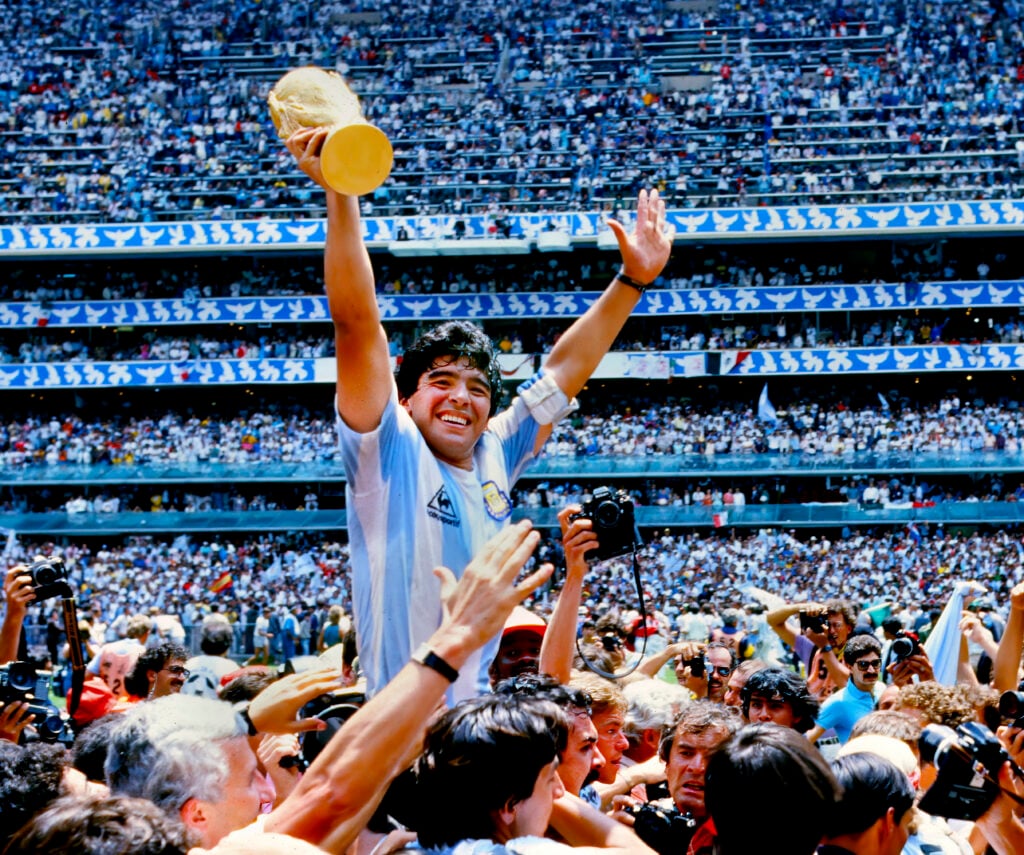
Take Diego Maradona. When he punched the ball into the net against England in 1986, most
normal human beings would have spent the next ten minutes wrestling with their conscience.
Maradona showed no guilt or remorse and celebrated like a man who had successfully
renewed his car tax online. While the rest of the world debated ethics, he was already
thinking about the final.
Similarly, the Italians (four-time winners) have always been the masters of tactical fouls,
time-wasting and gamesmanship. The Argentinians (three-time winners), especially in 1986,
turned mind games and psychological warfare into something approaching a national art form
whilst the Germans (three-time winners) have traditionally shown such emotional detachment
that penalty shoot-outs seem like a routine administrative exercise. Meanwhile England has
developed a touching commitment to sportsmanship, gentlemanly behaviour and losing
bravely.
You can see the difference whenever England reach the latter stages of the World Cup.
English players generally look as though they are carrying not only the hopes of a nation but
also the emotional baggage of every previous failure since 1966. By the quarterfinals some
appear less like elite athletes and more like men attempting to carry a sofa up a narrow
staircase whilst several million people shout conflicting instructions. There is a decidedly
‘unpsychopathic’ lack of self-belief. Every player should make Zlatan Ibrahimović look like
the embodiment of humility and possess the delusional optimism of Boris Johnson.
The difference is entirely psychological. Surgeons, special forces soldiers and, obviously,
traffic wardens need emotional detachment if they are to fulfil their duties efficiently. The
ability to remain calm while everyone around you is psychologically unravelling is one of the
most valuable competitive advantages on Earth and it’s one that psychopaths naturally
exhibit. This is why I’ve increasingly come to believe that England would benefit from borrowing a few traits from the psychopath’s playbook.

The fearlessness, calmness under pressure, a refusal to dwell on mistakes, an ability to ignore
criticism, a willingness to bend the rules and manipulate others as well as a totally ruthless
focus on outcomes rather than ‘fair play’ would seem to be completely necessary for any elite
athlete to succeed. Cristiano Ronaldo possesses the sort of self-belief normally associated
with those Roman emperors who were so convinced they were Gods, they forced a slave to
follow them around saying ‘you are mortal.’ Roy Keane viewed intimidation as a perfectly
legitimate tactical system while José Mourinho built an entire career convincing players that
everybody hated them and, more importantly, that this was excellent news.
To be fair, England have improved enormously in recent years – indeed I’d put both the cool-
headed Bellingham and Kane in the ‘semi-psychopathic’ league. Our old psychological
fragility is not what it once was, and the penalty record has finally become marginally less
traumatic. Yet the suspicion remains that, when the pressure reaches its absolute peak, the
winners are often the teams who are willing to be a little colder, a little harder and a little less
concerned with what everybody thinks about them. This is the hyper confident, win-at-all-
costs psycho mindset that our sports psychologists should be instilling in our players.
Nice people make wonderful neighbours, fabulous colleagues and delightful dinner guests.
World Cup winners, however, are nearly always something else entirely.
And if England are finally going to end sixty years of hurt, perhaps they don’t need better
footballers… perhaps they just need to think a little more like psychopaths!
After exposing the madness of banking in Cityboy, Geraint Anderson has
turned his attention to the psychopathic behaviours that currently dominate
business, politics and even football. His new satirical book, How to Con
Friends and Manipulate People, asks an uncomfortable question: do you have
to behave like a psychopath to win nowadays? Find out more here
Receive exclusive football transfer news and updates twice a week to your mailbox