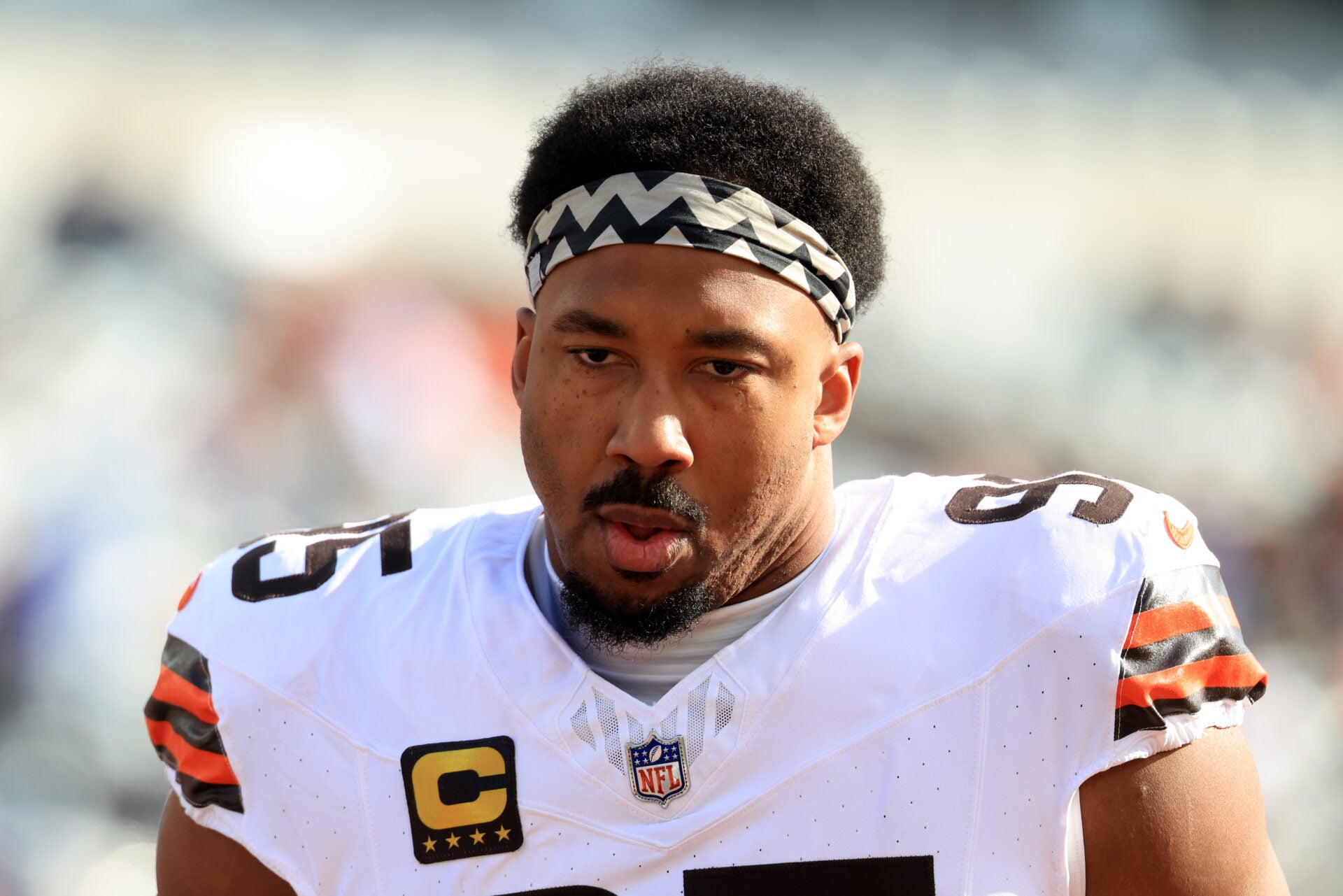

Andrew Berry insists the Cleveland Browns did not enter the offseason planning to trade Myles Garrett, but the Los Angeles Rams changed the conversation.
The move was shocking because Garrett had been the face of Cleveland’s defense and one of the few players the franchise could never easily replace.
That is why Berry’s explanation mattered. He had to show fans this was not a sudden panic move, but a deal the Browns felt they could not ignore.
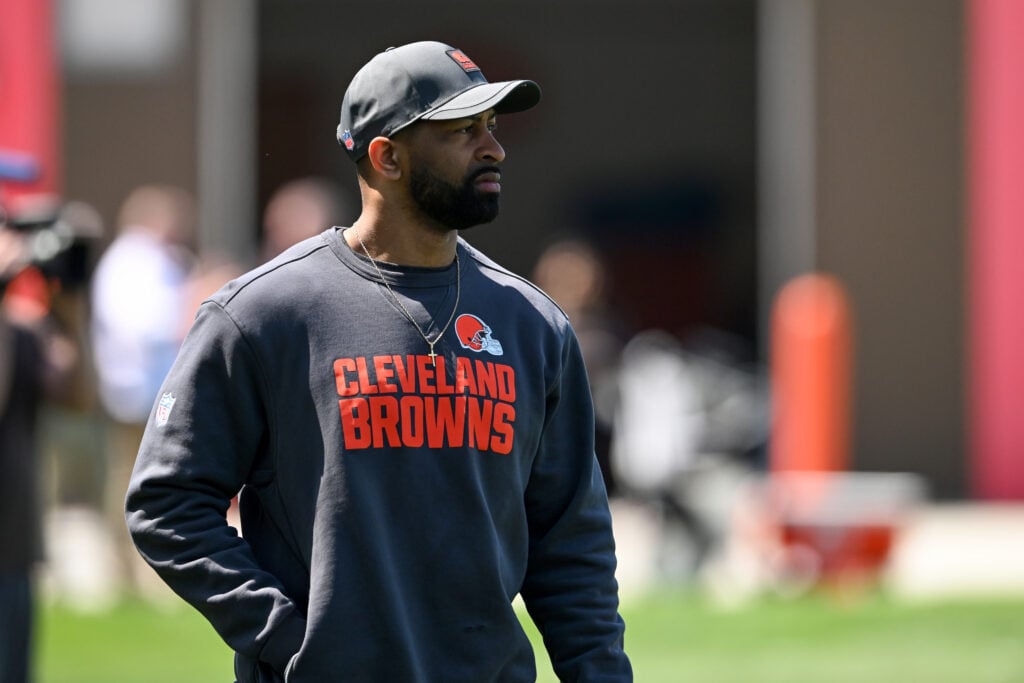
Andrew Berry says Cleveland Browns could not ignore Los Angeles Rams offer for Myles Garrett
Speaking in an AP interview, Berry explained why the Browns changed course and agreed to move Garrett.
“The why now is just honestly the opportunity was too great. It wasn’t like a Plan A going into the offseason. Quite honestly, we would have operated differently if it was,” Berry said.
He added, “But sometimes things come across your path that you’re not expecting, and you can’t be so dogmatic in your strategy and planning that you can’t adjust and be flexible to great opportunities.”
That is Berry’s strongest defense of the decision. The Browns did not shop Garrett as their first choice, but the Rams kept pushing until the offer reached a level Cleveland felt it had to evaluate differently.
Garrett’s value made the bar extremely high. For the Browns to trade a two-time Defensive Player of the Year, the return had to help them now and later.
Andrew Berry says Jared Verse and premium picks made Myles Garrett trade work
Berry then explained that very few offers could have met the conditions Cleveland had placed on any possible Garrett deal.
“There’s a very small set of deals that really satisfy those constraints. So when it got to the point with our negotiations with the Rams, when all those things were satisfied, it really caused us to take a step back and really think about the decision,” the Browns GM further stated.
The Browns received Verse, a 2027 first-round pick, a 2028 second-round pick, and a 2029 third-round pick from Los Angeles. Verse was the key piece because he gives Cleveland a young pass rusher on a cost-controlled contract, not just future draft capital.
That mattered to Berry’s logic. The Browns were not only collecting picks for a distant rebuild; they were adding a player who can step directly into their attacking front.
The trade is still painful because Garrett was a franchise cornerstone. But Berry’s argument is that Cleveland got the rare kind of package that made flexibility more important than sticking to the original plan.
Receive exclusive football transfer news and updates twice a week to your mailbox