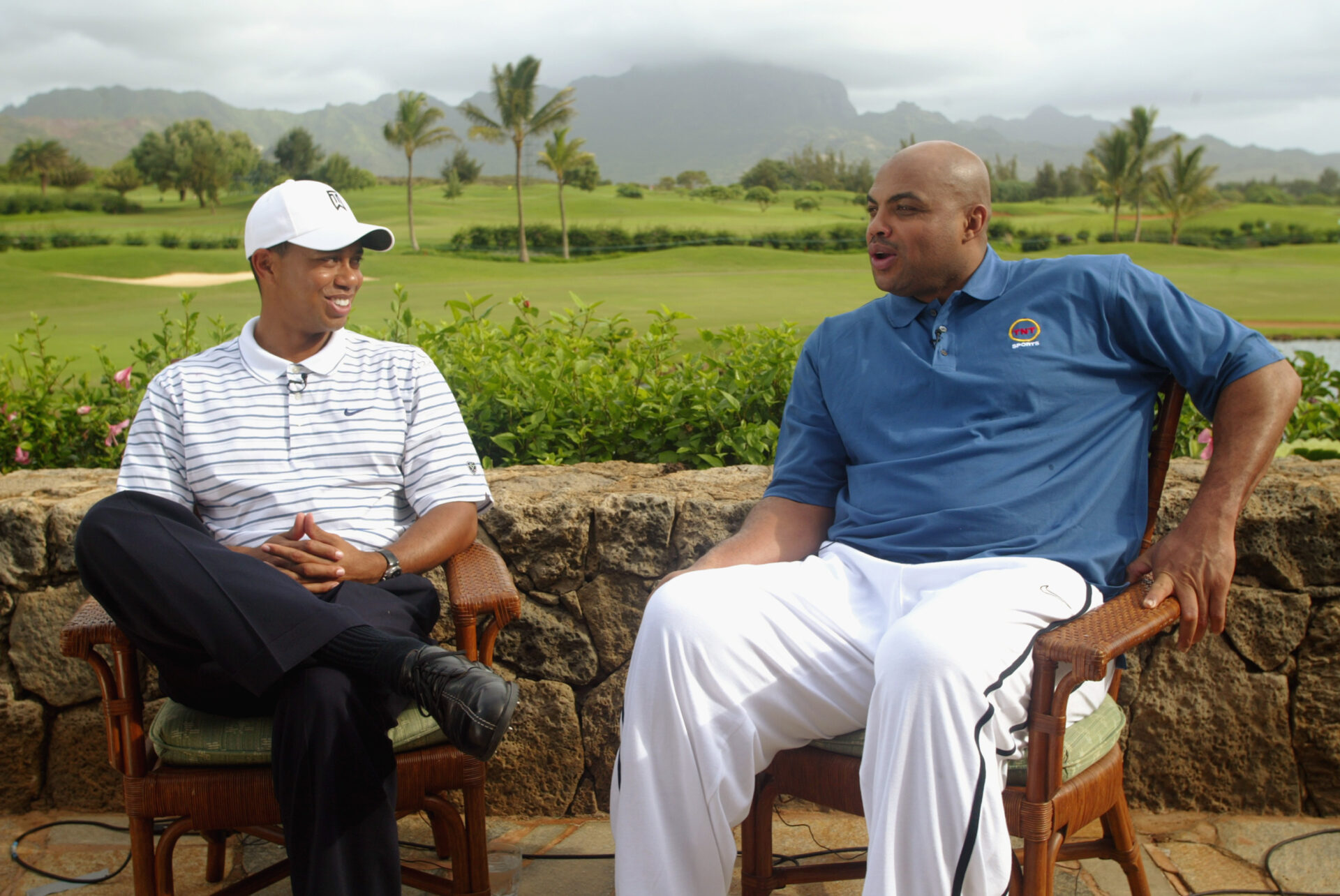

Charles Barkley’s criticism of Jack Nicklaus’ response to Tiger Woods’ 2017 arrest was very much shaped by the moment in which it happened, a time when Woods was under intense scrutiny and speculation.
Barkley made it clear that, back then, he felt even well-intentioned comments needed to be handled with extra care.
As the golf world reacted, Barkley felt some of the early commentary crossed into assumption rather than support.
His comments were not about hindsight, but about how Woods was spoken about in real time during a vulnerable chapter of his career.

Jack Nicklaus’ 2017 reaction to Tiger Woods’ arrest that drew attention
Speaking shortly after the arrest, Jack Nicklaus publicly addressed Tiger Woods’ situation, offering sympathy and concern.
“I feel bad for Tiger. Tiger’s a friend. He’s been great for the game of golf. He needs our help. I wish him well,” Nicklaus said.
At the time, Nicklaus’ words were widely reported as compassionate, especially given his stature as the most decorated major champion in golf history. However, in 2017, the phrase “he needs our help” stood out, as details surrounding Woods’ condition were still emerging.
Why Charles Barkley was annoyed by Jack Nicklaus’ comments
Barkley, speaking in the immediate aftermath of the incident, took issue with the implication that Woods definitively required “help” for a deeper issue.
“Even Jack Nicklaus, somebody I really respect, talking about, ‘Tiger really needs help.’ Well, he don’t know that. We don’t know if Tiger has a drug problem,” Chuck stated.
In 2017, Barkley’s concern was that public figures were unintentionally feeding a narrative before the facts were fully known. Woods later explained that the incident was linked to prescription medication and complications following back surgery, not substance abuse.
Looking back, Barkley’s reaction reflected a broader sensitivity at the time about how athletes’ personal struggles were framed in the media. His stance was less about criticising Nicklaus personally and more about urging caution in moments when reputations and legacies were at their most fragile.
Receive exclusive football transfer news and updates twice a week to your mailbox