
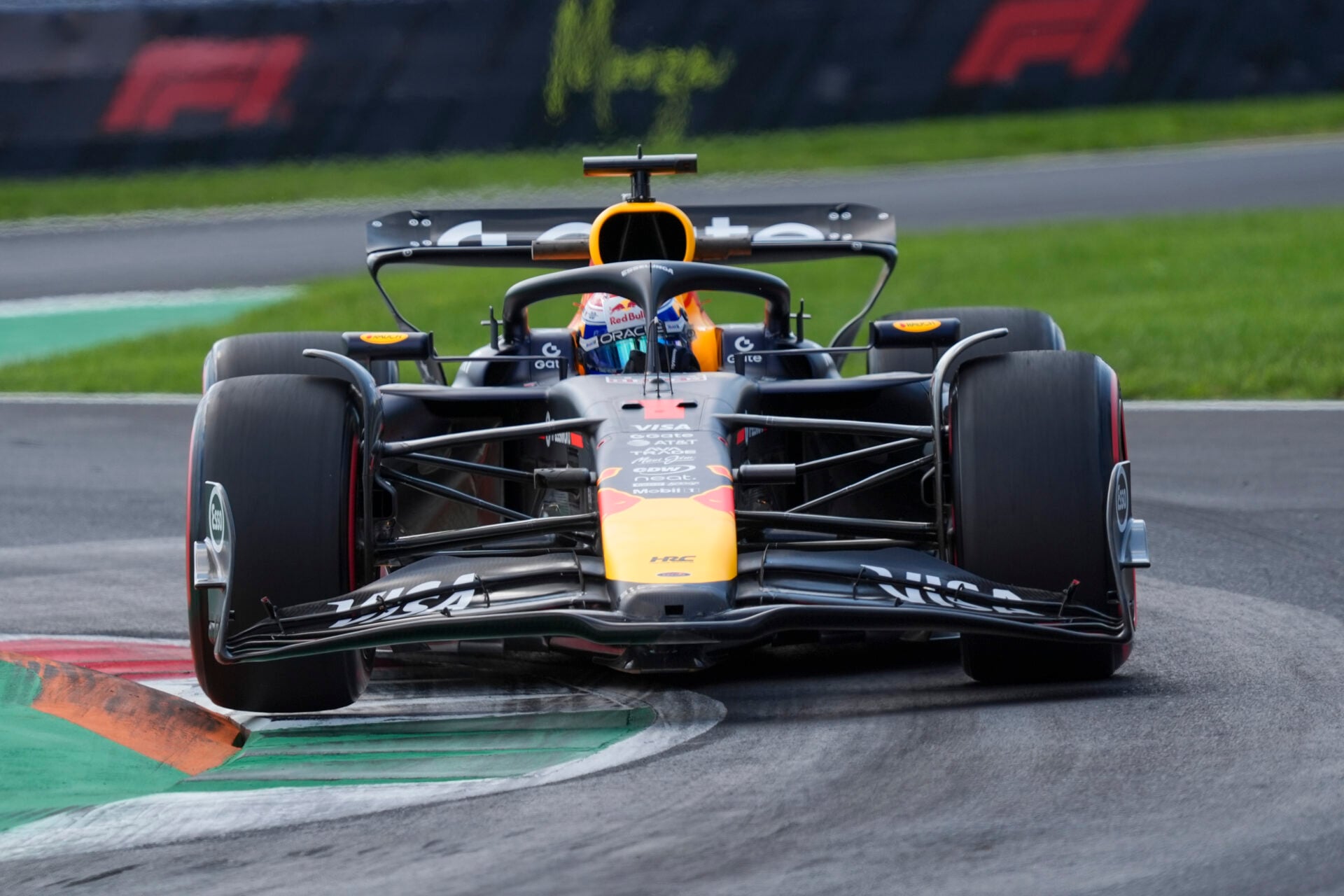

Red Bull are preparing to be a step behind their more experienced rivals when their first in-house F1 engine debuts in 2026. The real question is just how far back they will be.
Christian Horner has already set expectations, saying it would be ’embarrassing’ if Red Bull could immediately match giants like Mercedes and Ferrari, who have decades of experience building engines at the highest level.
Adrian Newey has voiced concern that 2026 could turn into an engine-dominated era. If that happens, even a strong chassis might not be enough for Max Verstappen to challenge at the front if Red Bull fall short on power.
Right now, most signs point to Mercedes and Ferrari being out in front. Audi are also joining the grid, while Honda has shifted their focus from Red Bull’s teams to supplying Aston Martin.
Red Bull engine expected to be two-tenths slower than top rivals
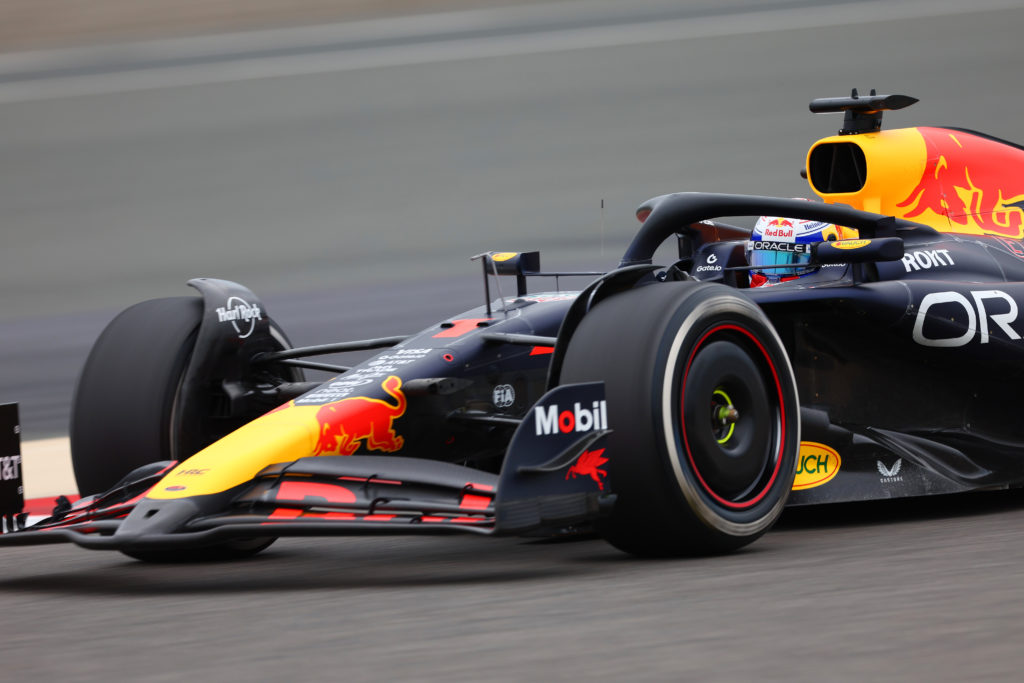
James Allen shared on his podcast that, according to a ‘very reliable source’, Red Bull’s first engine is expected to be about two-tenths per lap slower than the top power units. Allen noted that this comes from conversations within the engine-building community.
While it is still early days, the prediction gives Red Bull fans an idea of what the team could be up against in 2026.
By comparison, Alpine – currently bottom of the constructors’ standings – are said to be losing around three to three and a half-tenths per lap due to their own engine issues.
Earlier reports this year suggested that Red Bull’s power unit was running out of energy before completing a full lap during bench testing. With batteries set to supply 50% of the car’s total output under new regulations, they are hoping that figure can be reduced as development continues.
“I was told a few months ago by a very reliable source in the middle of all that scene that they reckon they’d be – very hard to say, but there is a lot of chat among the community of engine builders – a couple tenths off on the engine side.
“If you consider that Alpine is probably 0.3, 0.35 down at the moment, and you look at what that does to their performance, it gives you a bit of an idea what Red Bull might be like next year.
“You’ve also then got the complexity of the aerodynamic changes coming in next year which makes it very very hard to predict who’s going to do well.”
How an F1 rule tweak might help Red Bull if their engine is off the pace
Dan Fallows worked with Red Bull from 2006 until 2021 and witnessed two major regulation changes during his time there: one in 2009 and another in 2014.
The first shift helped them emerge as contenders, though Brawn still came out on top. Five years later, Mercedes ended their period in control.
Fallows pointed out how Red Bull have historically started some rulesets behind, but quickly closed gaps through development. When ground-effect rules were introduced in 2022 they ended up taking both titles despite being even with Ferrari early on.
“The thing about Red Bull is that their technical team is very strong, they have that ability to be able to get a new car to the level it needs to be pretty quickly. They demonstrated in this last ruleset that they are able to innovate and follow a new concept through to its completion, which I think is really important for new regs from an aerodynamic point of view.
“The other thing they’re very good is that a lot of their departments work very well together from a technical point of view. They have an incredible manufacturing facility that can turn things around very quickly, but they’re also very good at communicating. That, typically in the past, has meant that their greatest strength is in-season development.
“The reason they were so dominant at the beginning of this ruleset is because they also managed to nail the initial concept. When I was there, one of the things we found more frustrating was that our ability to launch with a great car was not as great as some other people, but the in-season development was very, very strong.
“If the power unit is slightly down, and realistically given the magnitude of the task they undertook – it’s a phenomenal undertaking – it would be phenomenal if they’re there or thereabouts in terms of their power units.
“If they’re not quite there, there is going to be this equalisation of power that’s going to come in at some point. That’s something that could work for their benefit. They’ll be looking for something that’s solid enough as a base, perhaps not expecting to be championship material straight away, but looking to forge their way up as quickly as possible.”
Receive exclusive football transfer news and updates twice a week to your mailbox