

A US-based cricketer has sparked a new controversy surrounding the 2026 T20 World Cup after revealing through his Instagram story that his Indian visa application was rejected ahead of the tournament.
The news comes as the T20 World Cup, jointly hosted by India and Sri Lanka this year, continues to face scrutiny over logistics, travel arrangements, and tournament readiness.
The visa issue has now added another layer of uncertainty for international participants preparing to compete on Indian soil.
The player, Ali Khan who shared the update directly with fans on social media, described his disappointment and frustration, highlighting the challenges some overseas athletes have faced while securing approval to enter India for international cricketing events.
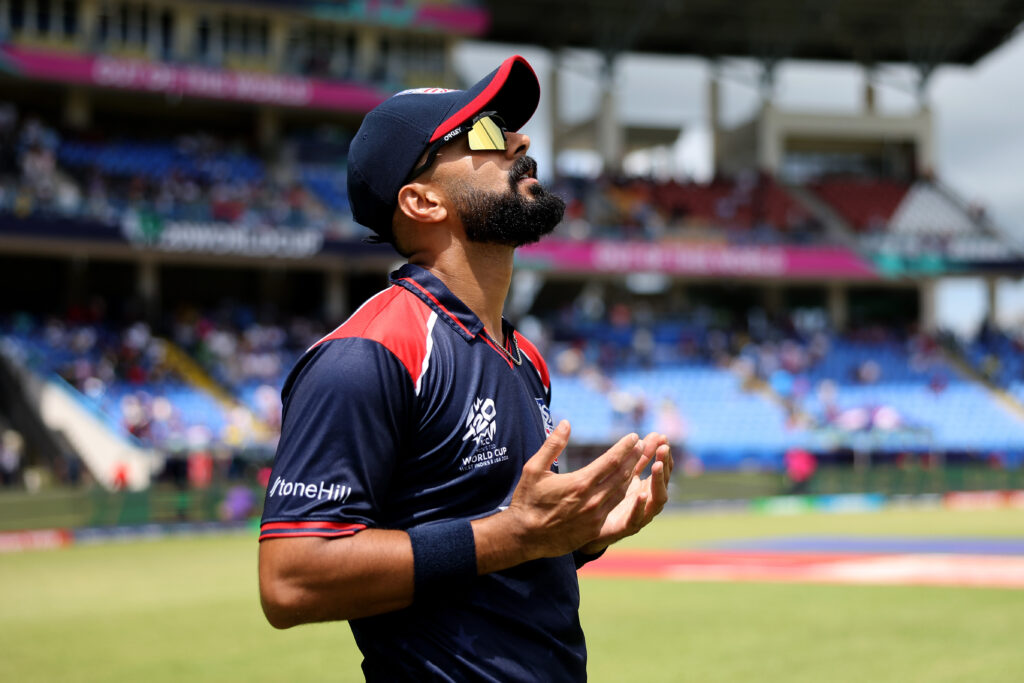
Ali Khan reveals visa setback on social media
In Khan’s Instagram story, the US-based cricketer expressed shock at being denied a visa despite being part of the wider T20 World Cup discussion pool.
The story quickly circulated across cricket communities online, raising questions about travel coordination between cricket boards and national authorities.
Although his name wasn’t officially released in connection with the statement, his post reflected the growing tension among players hoping for fair treatment ahead of the 2026 edition.
The story triggered mixed reactions from fans, with many urging cricketing authorities to step in and ensure that qualified players from associate nations aren’t left sidelined by paperwork or political complications.
Another setback for 2026 T20 World Cup organisers
The incident marks yet another controversy for the upcoming tournament, which has already faced logistical and scheduling challenges.
Reports suggest that the visa denial could complicate the United States’ player participation and preparations in the months leading up to the World Cup.
While official statements have yet to be made by either the ICC or the BCCI, the situation underscores how administrative barriers can affect cricket’s expanding global reach.
The 2026 T20 World Cup was expected to highlight the sport’s international inclusivity, but this latest issue has reignited concerns over fairness and coordination.
For now, the cricketer’s post stands as a public reminder of the off-field obstacles players face beyond the boundary.
As fans await clarification, the incident adds fresh fuel to debates about transparency and equal access in global cricket’s biggest events.
Receive exclusive football transfer news and updates twice a week to your mailbox