
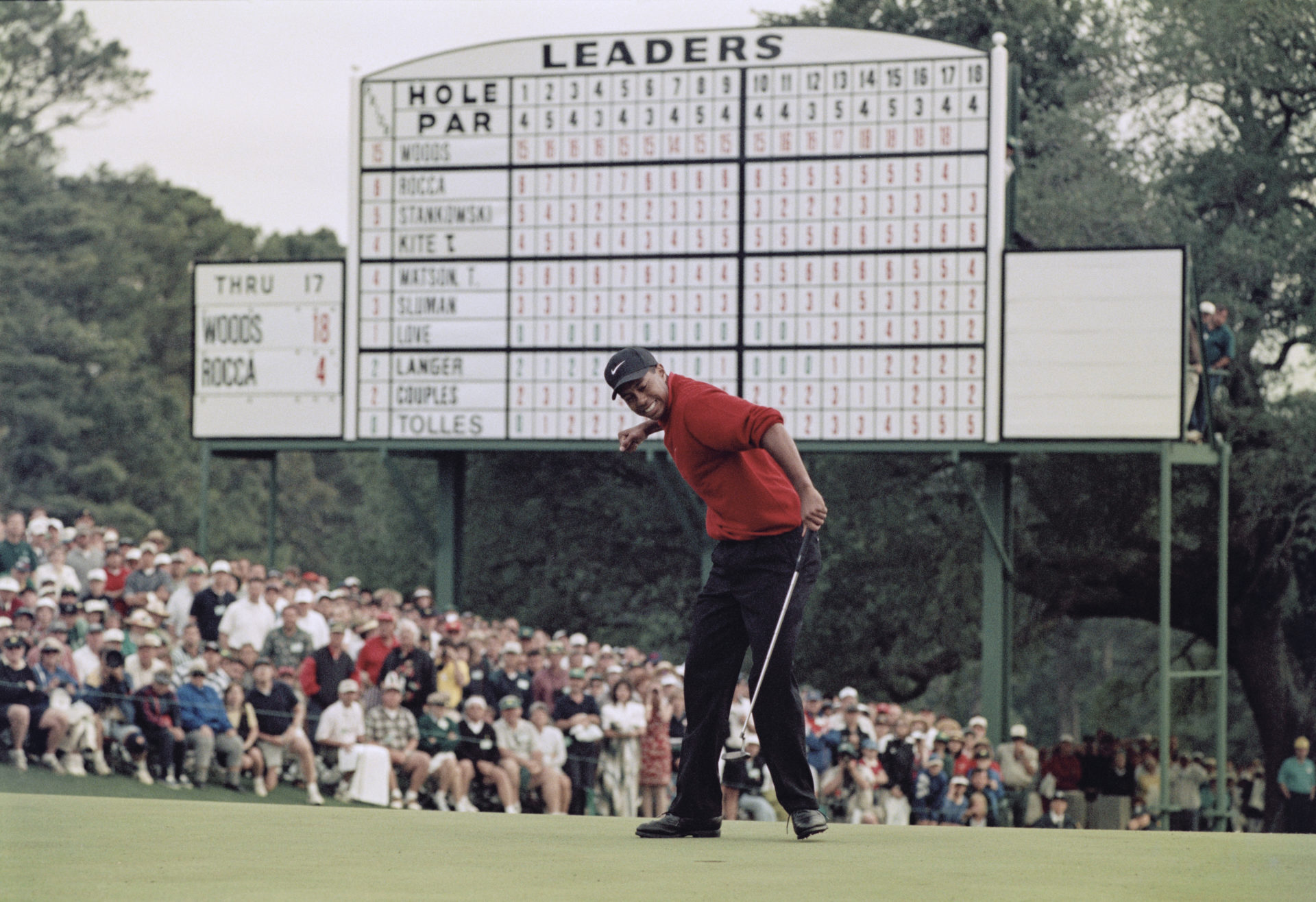

During his prime, Tiger Woods was the most complete player in professional golf.
Across his career, he won 82 PGA Tour titles and 15 majors, which stands as a testament to how dominant he was across every part of the game.
But among his many strengths, one thing that often went unnoticed was how well he could recover from deep rough.
Throughout his career, Woods had a unique way of getting out of tough lies thanks to his strength and speed.
His distance off the tee stood out, but so did his iron play. He rarely missed a putt inside eight feet and was easily one of the best clutch putters in history.
And no one could close out tournaments quite like him. Once he got into contention on a Sunday, it felt almost inevitable that he’d come away with another win.
It was remarkable how many pars he managed to save from difficult positions throughout a single round.
How Tiger Woods handled difficult lies in the rough
Woods stood out in his prime for his ability to put up good numbers even when his game wasn’t firing on all cylinders.
His driver didn’t always behave, and as a result, he spent plenty of rounds navigating thick rough. But what set him apart was how often he turned those situations into something positive.
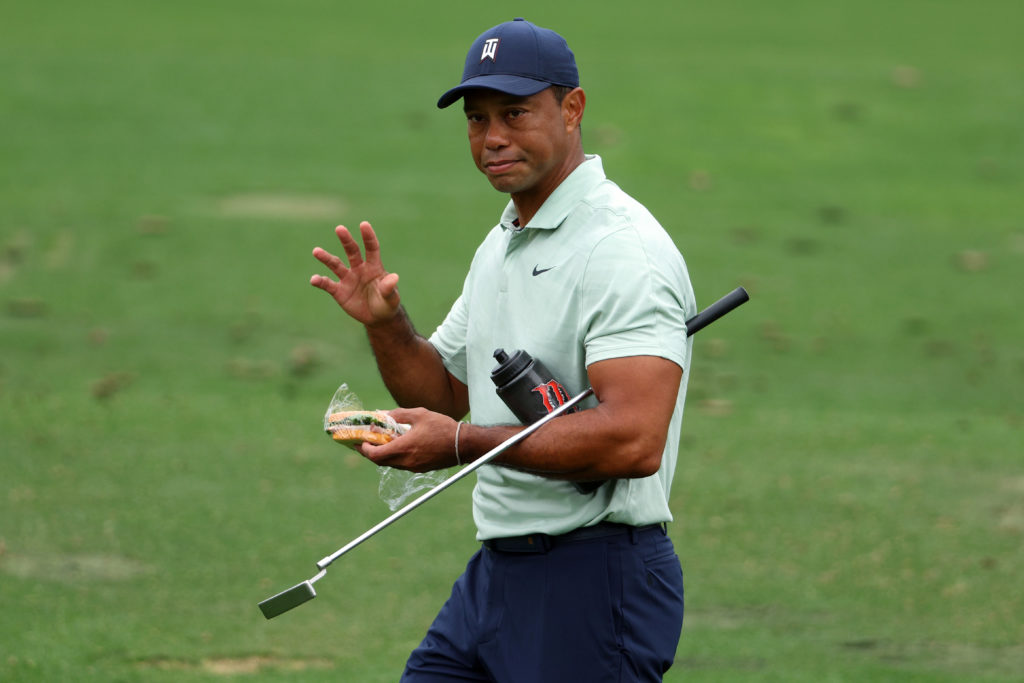
Winning three US Opens is no small feat, and it speaks volumes about how well he managed deep lies over the course of his career.
In a Golf Digest instructional video, Woods broke down how he approaches these situations. His main message was about knowing when to play it safe rather than forcing something that isn’t there.
He said: “145 yards out here and it’s so interesting how different Bermuda can be. I’ve got a ball that’s buried in the rough and I have so much grass between the clubhead and the ball.
“In this lie, even though I have 145 yards out, I can’t get to the green. The ball is sitting so far down that I can’t physically generate enough speed to hit it 120 yards if I get lucky.”
The key for Woods was identifying where his miss should be, rather than just aiming for the green. In this case, with trouble right and no angle from where he was standing, short left became his target.
The key for Woods was identifying where his miss should be, rather than just aiming for the green. In this case, with trouble right and no angle from where he was standing, short left became his target.
Receive exclusive football transfer news and updates twice a week to your mailbox