

The Chicago White Sox were never supposed to be here.
Before the 2026 season began, most projections viewed the White Sox as one of the weakest teams in baseball. FanGraphs pegged them at 67-95, their playoff odds sat around one percent, and the conversation was supposed to be about development, patience and the long road back to relevance.
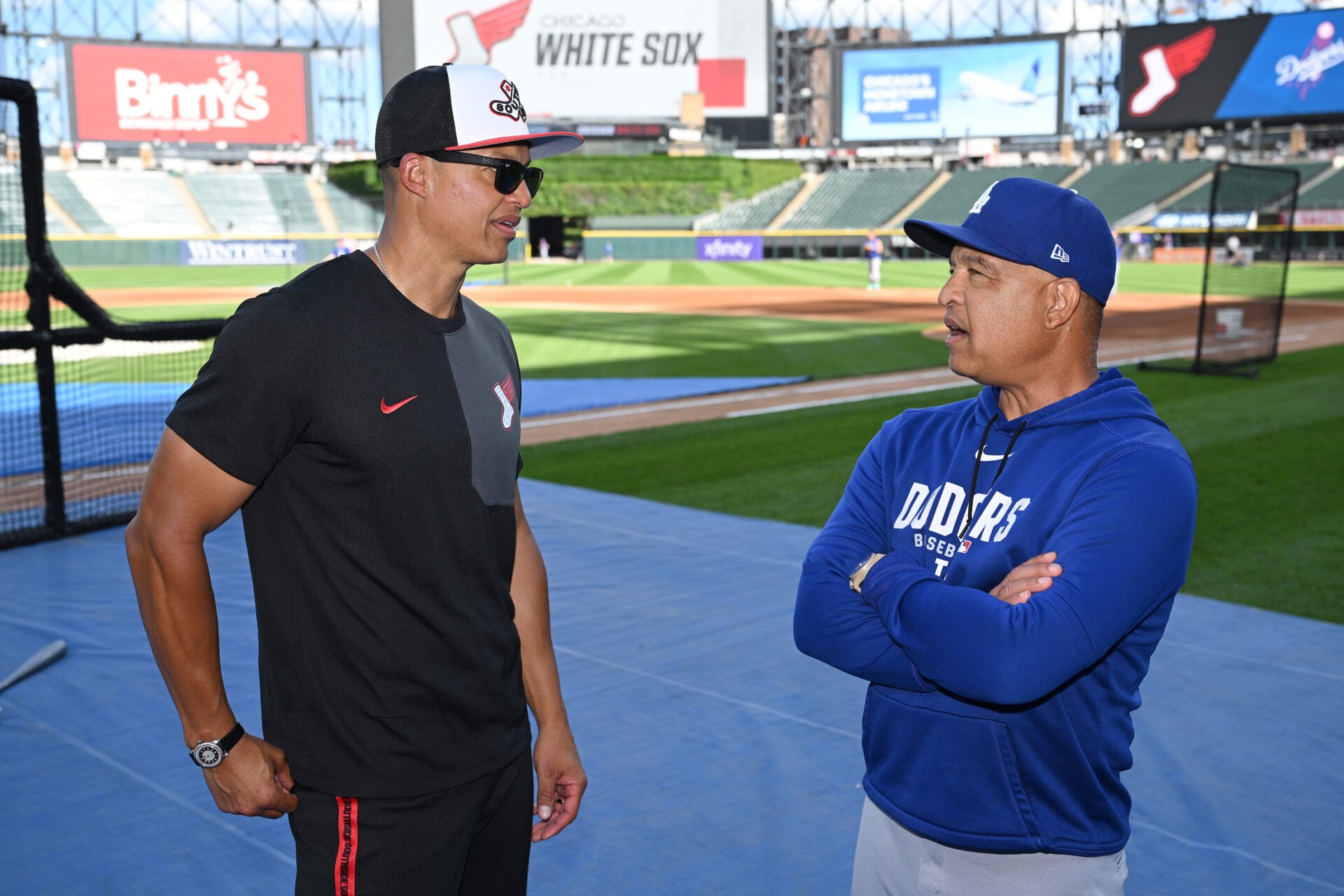
Instead, the White Sox head into a tough series against the New York Yankees having just taken two of three from the defending World Series champion Los Angeles Dodgers. At some point, the baseball world has to stop filing this under fun early-season surprise.
Chicago has not proven it is a playoff team yet, and it may not have even proven it can hold this pace for another three months. What the White Sox have proven beyond any doubt is that they are far better than anyone expected.
The Dodgers series felt different
Beating the Dodgers once is something any team can do on a given night. Taking a series from them is a different level of statement, and the White Sox made it.
Chicago opened the weekend with an 8-2 win, dropped Saturday’s game, then answered with a 6-4 win on Sunday to clinch the series against one of baseball’s most talented rosters. The way the White Sox won it was the notable part. They did it with depth, timely power, and creative pitching management rather than overwhelming Los Angeles with star power.
Sunday was the clearest example. Will Venable pieced the game together with an opener and a string of relievers before handing it to Seranthony Dominguez to close it out. The Dodgers still ran out Freddie Freeman and a lineup full of talent, and Chicago found a way to win anyway, which has become a recurring theme this season.
The improvement looks real
The easiest explanation would be luck, except that several of the White Sox’s improvements look legitimate. Chicago’s offense has become far more dangerous than it was a year ago, producing more power and better quality contact, and the lineup no longer leans on one or two players to carry everything.
Munetaka Murakami has quickly become one of the most impactful hitters in the American League. Miguel Vargas has taken a major step forward. Colson Montgomery is starting to look like a foundational piece. Veterans like Andrew Benintendi have provided stability while younger players keep emerging around them. Just as telling, the White Sox no longer look overwhelmed against quality opponents, and a team that competes with good clubs night after night stops resembling a rebuild and starts looking like something more.
Will Venable deserves more credit
The roster clearly improved, and what Venable has done with it might be the more interesting part of the story. The White Sox have played more organized, more aggressive, and more confident all season.
Sunday’s win over the Dodgers fit that pattern. Rather than follow a traditional script, Venable managed aggressively and deployed his bullpen by game situation, and those calls helped Chicago lock up another series win and extend one of baseball’s most unexpected climbs up the standings. A manager cannot manufacture talent that is not on the roster, but a good one can squeeze the most out of what is there, and that is what appears to be happening on the South Side.
The next step is proving this isn’t temporary
There is plenty of work left. Some of the underlying numbers call for caution, the pitching staff is far from dominant, and the White Sox are not about to morph into a 100-win juggernaut. That is no longer the bar they should be measured against, though.
The question entering 2026 was whether the White Sox could become respectable. The question entering the Yankees series is whether they can hang in the playoff race, a remarkable leap for a franchise that opened the year with virtually no expectations. After taking two of three from the Dodgers, it is a question the rest of baseball can no longer wave off.
Receive exclusive football transfer news and updates twice a week to your mailbox