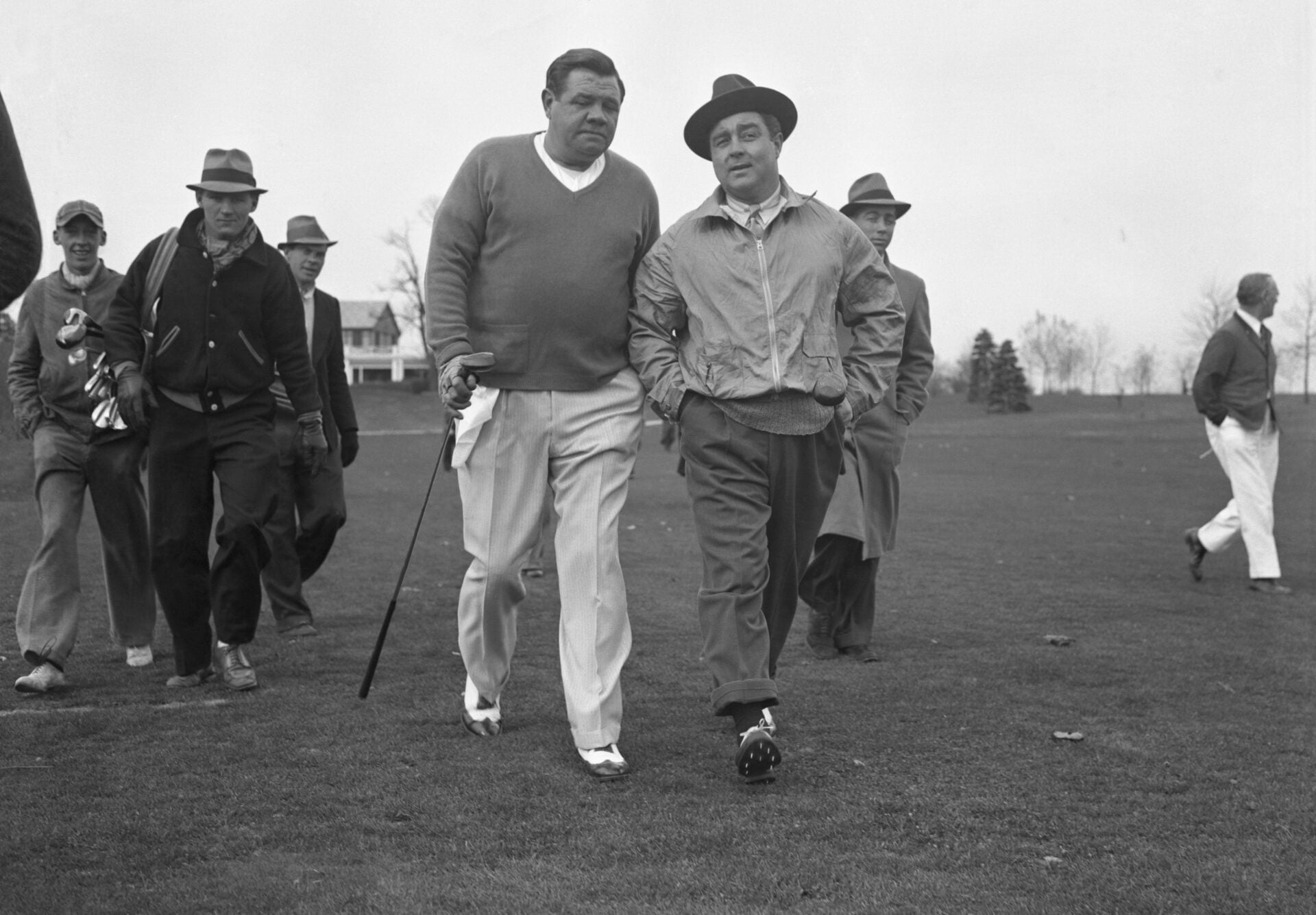

In the mid 1930s, the amateur golfing scene was taken by storm by a man who seemingly came out of nowhere.
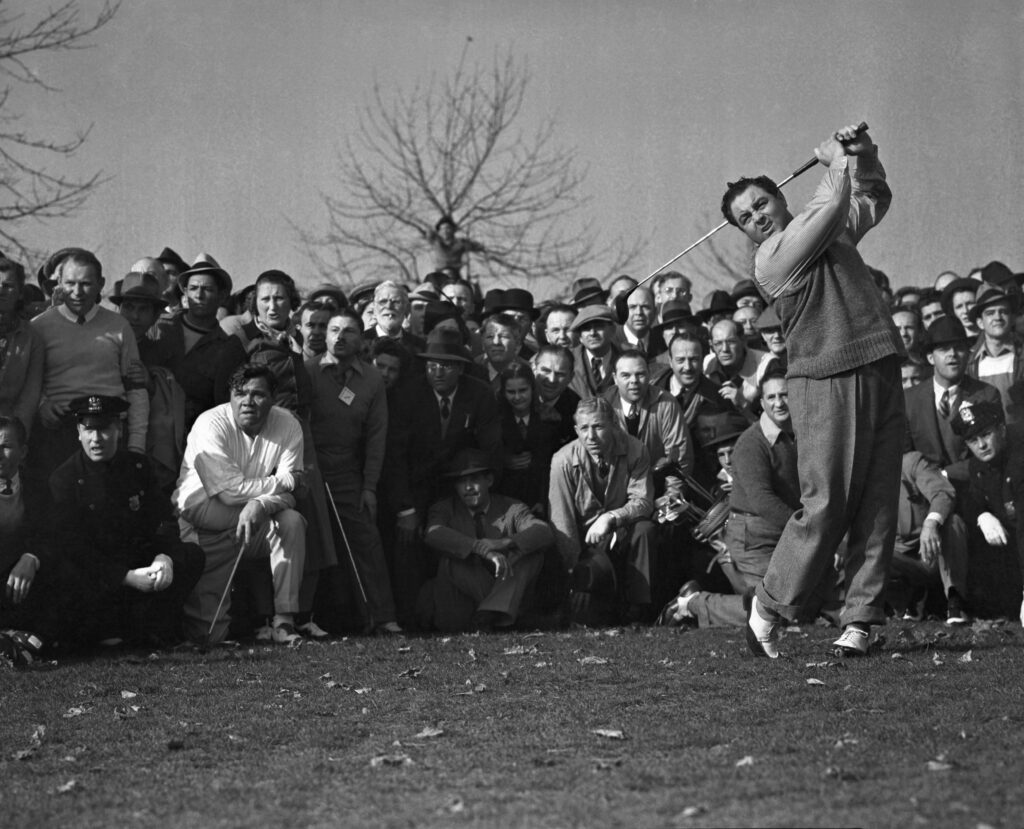
John Montague was a physical marvel. He was incredibly strong and imposing, and because of that, he became somewhat of a folk hero. He reportedly drove the ball over 300 yards, an incredible feat for the time using hickory-shafted equipment.
As he toured the golf courses of Los Angeles, Montague’s legend continued to grow. Yet he seemed especially keen to remain out of the public eye.
He nearly broke the course record at Riviera, but quit the round on the 18th hole. He would never play competitive tournaments, and if he ever noticed that he’d been photographed, he’d take the film from the camera and pay the photographer.
The reason why would soon become clear.
John Montague was a wanted fugitive in New York
Despite his local fame, Montague remained a ghost. To the public, he was the “Mysterious Montague,” a man who preferred the shadows of private clubs to the spotlight of the PGA Tour. Why? Because his name wasn’t John Montague at all. It was LaVerne Moore, a fugitive who had been on the run for seven years.
This mystery finally unraveled in 1937, when a photographer took an unnoticed photo of him. His reputation in LA caught the eye of a pair of detectives back in New York, who identified him as Moore.
Moore had been involved in a botched roadhouse robbery in upstate New York that resulted in an assault and a high-speed chase. While his accomplices were caught, Moore vanished and eventually reinvented himself in California under a fake name.
After his identity was exposed by a journalist, Moore was extradited to New York to face trial. But the fame he garnered in Los Angeles helped him fight the case. His new friends from the west, plus a lack of witnesses from all those years ago, saw him walk free.
Now, “Mysterious Montague” was free to pursue golfing stardom.
How John Montague got on in his golfing career
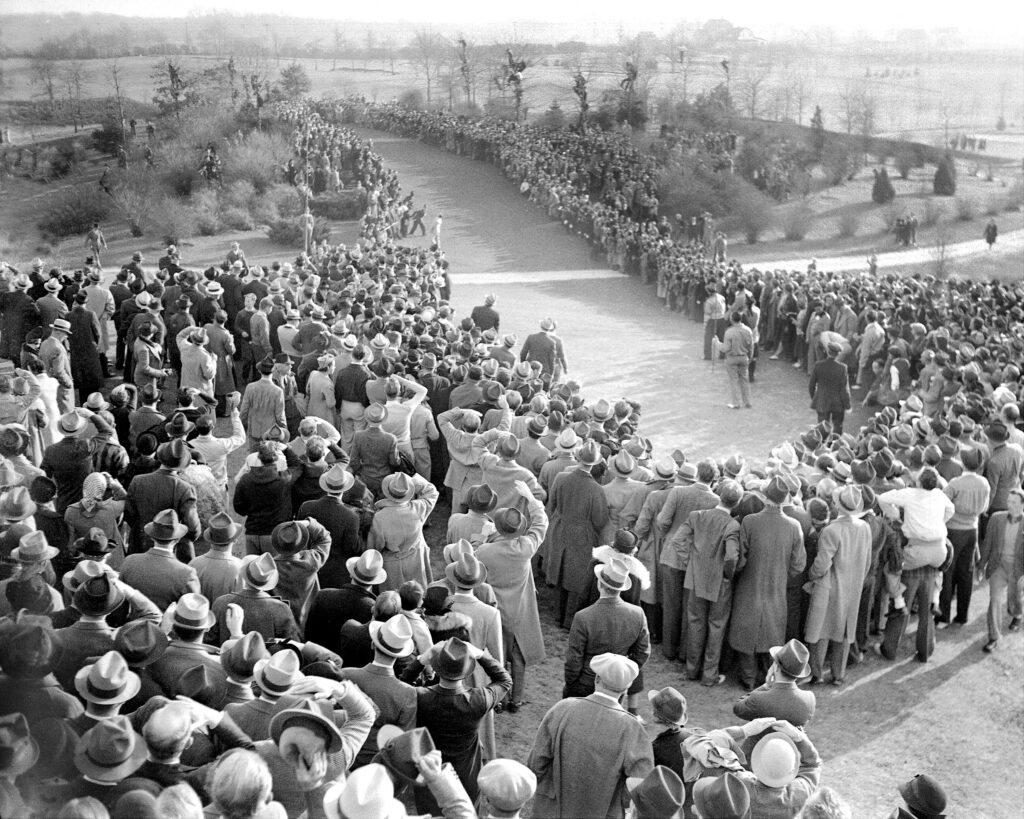
Once he was legally cleared, Montague decided to chase his golfing dream. He played in a charity match against Babe Ruth, Babe Didrikson, and Sylvania Annenberg, which drew approximately 10,000 spectators.
He was an exhibition specialist at the time and played a one-hole golf match against Bing Crosby, using a shovel, a baseball bat, and a rake instead of golf clubs.
And in 1940, he finally tried to crack the big time in professional golf. He entered the US Open at Canterbury Golf Club, but unfortunately for him, jail had taken its toll on his golfing ability.
He could never return to golfing shape after gaining weight and being out of practice. That had a detrimental effect on his scorecard, as he was never able to recapture the ability that made him famous a decade prior.
Montague passed away 32 years later at the age of 68 because of heart problems.
Receive exclusive football transfer news and updates twice a week to your mailbox