
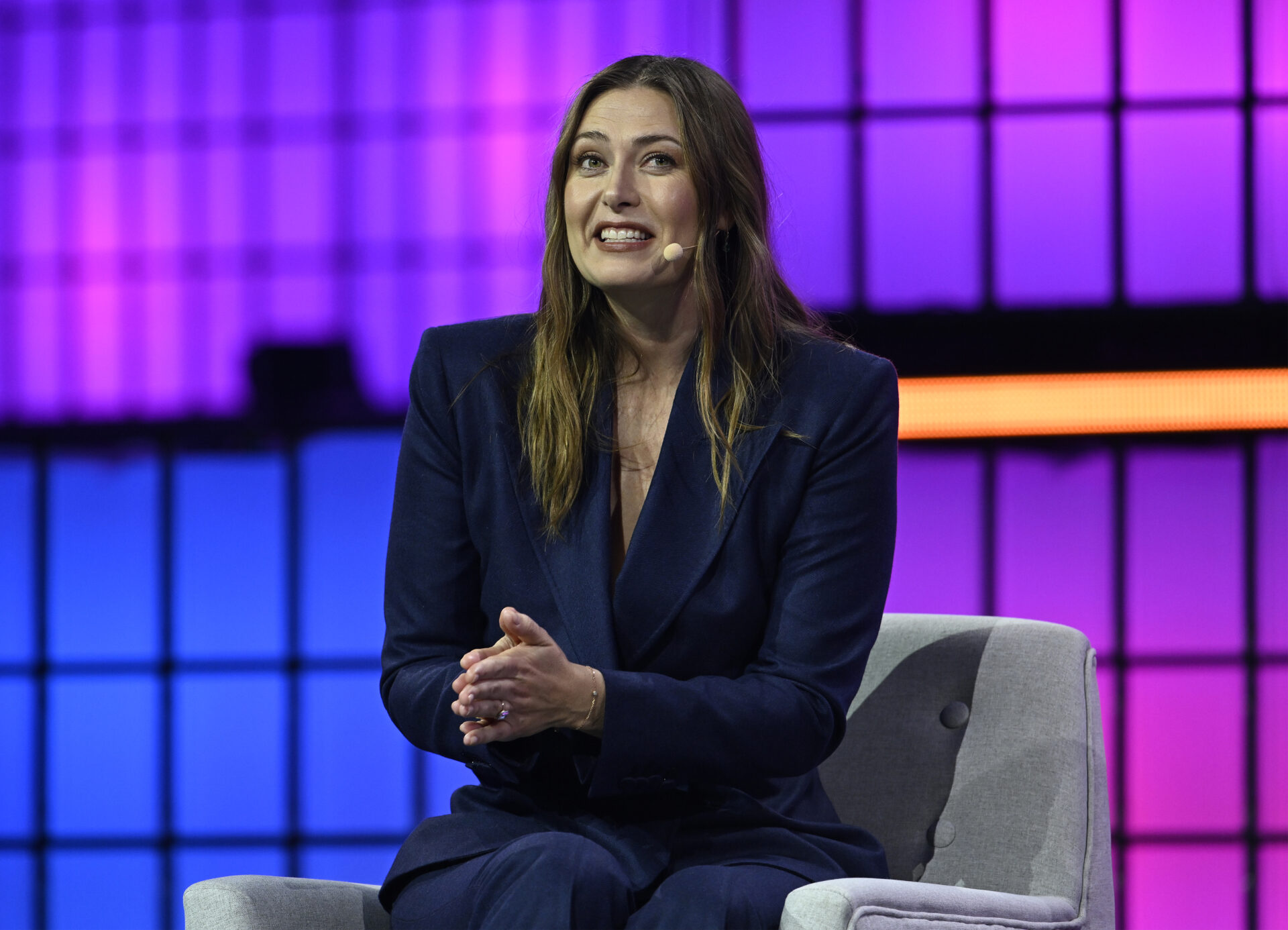

Maria Sharapova has gone down in tennis history thanks to her efforts on the court, which won’t be forgotten any time soon.
Sharapova was inducted into the International Tennis Hall of Fame just last year, with her old rival Serena Williams on hand to celebrate alongside her.
Williams represented Sharapova’s first-ever Grand Slam final opponent, with the pair coming together at Wimbledon in 2004.
And much to the surprise of everyone at the All England Club that year, the Russian defeated the legendary American.

Maria Sharapova highlights perceived weakness after winning Wimbledon in 2004
Sharapova won the 2004 Wimbledon final 6-1, 6-4, after which she was asked by reporters what part of her game she would most like to improve.
She replied: “Well, I think my opponents have always considered my forehand to be my weakness, because that’s what I found out during the matches that I played, you know, through my whole career.
“But thanks to those opponents, my forehand’s getting a lot better. So I don’t think there’s really… I mean, I still have to get stronger. I still have to develop a lot physically.
“I have to… I mean, these two weeks, obviously I’ve made it and I won, but I still got to, you know, have my body prepared and prepare for being for two weeks.”
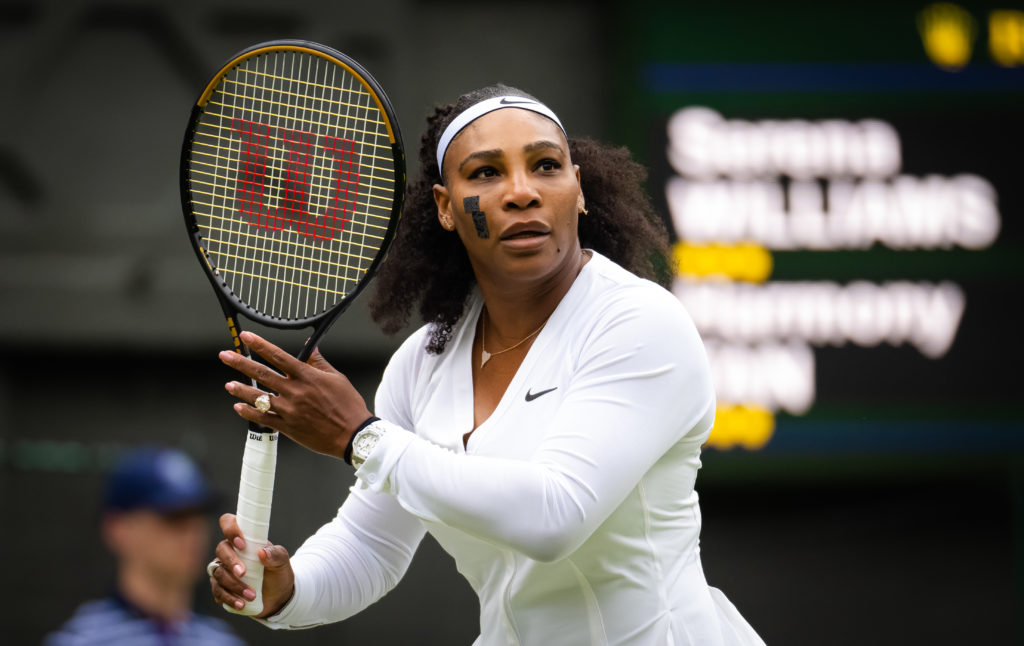
How Maria Sharapova felt about her mental game after Wimbledon success
Sharapova would go on to secure four more Grand Slam titles throughout her career, as well as losing five finals.
She reached number one in the world rankings, and clinched a superb 36 WTA titles before hanging up her racket.
Intriguingly, the Russian superstar was also tasked with discussing her mental game after her maiden Grand Slam win.
| Result | Year | Tournament | Surface | Opponent | Score |
| Win | 2004 | Wimbledon | Grass | Serena Williams | 6–1, 6–4 |
| Win | 2006 | US Open | Hard | Justine Henin | 6–4, 6–4 |
| Loss | 2007 | Australian Open | Hard | Serena Williams | 1–6, 2–6 |
| Win | 2008 | Australian Open | Hard | Ana Ivanovic | 7–5, 6–3 |
| Loss | 2011 | Wimbledon | Grass | Petra Kvitova | 3–6, 4–6 |
| Loss | 2012 | Australian Open | Hard | Victoria Azarenka | 3–6, 0–6 |
| Win | 2012 | French Open | Clay | Sara Errani | 6–3, 6–2 |
| Loss | 2013 | French Open | Clay | Serena Williams | 4–6, 4–6 |
| Win | 2014 | French Open | Clay | Simona Halep | 6–4, 6–7(5–7), 6–4 |
| Loss | 2015 | Australian Open | Hard | Serena Williams | 3–6, 6–7(5–7) |
Asked if she’s ever had to work on the mental side of her game or if the competitive spirit had always been there, she said: “It’s always been there.
“I’ve just always been a competitor. I’ve always wanted to compete and I’ve always wanted to win. No, I never really practiced that.”
Making her efforts on the court and indeed her words off it more remarkable was the fact that she emerged victorious aged just 17.
It was a phenomenal achievement from the teenager, who clearly had the mental strength to fend off one of the greatest tennis players of all time in Williams.
Receive exclusive football transfer news and updates twice a week to your mailbox