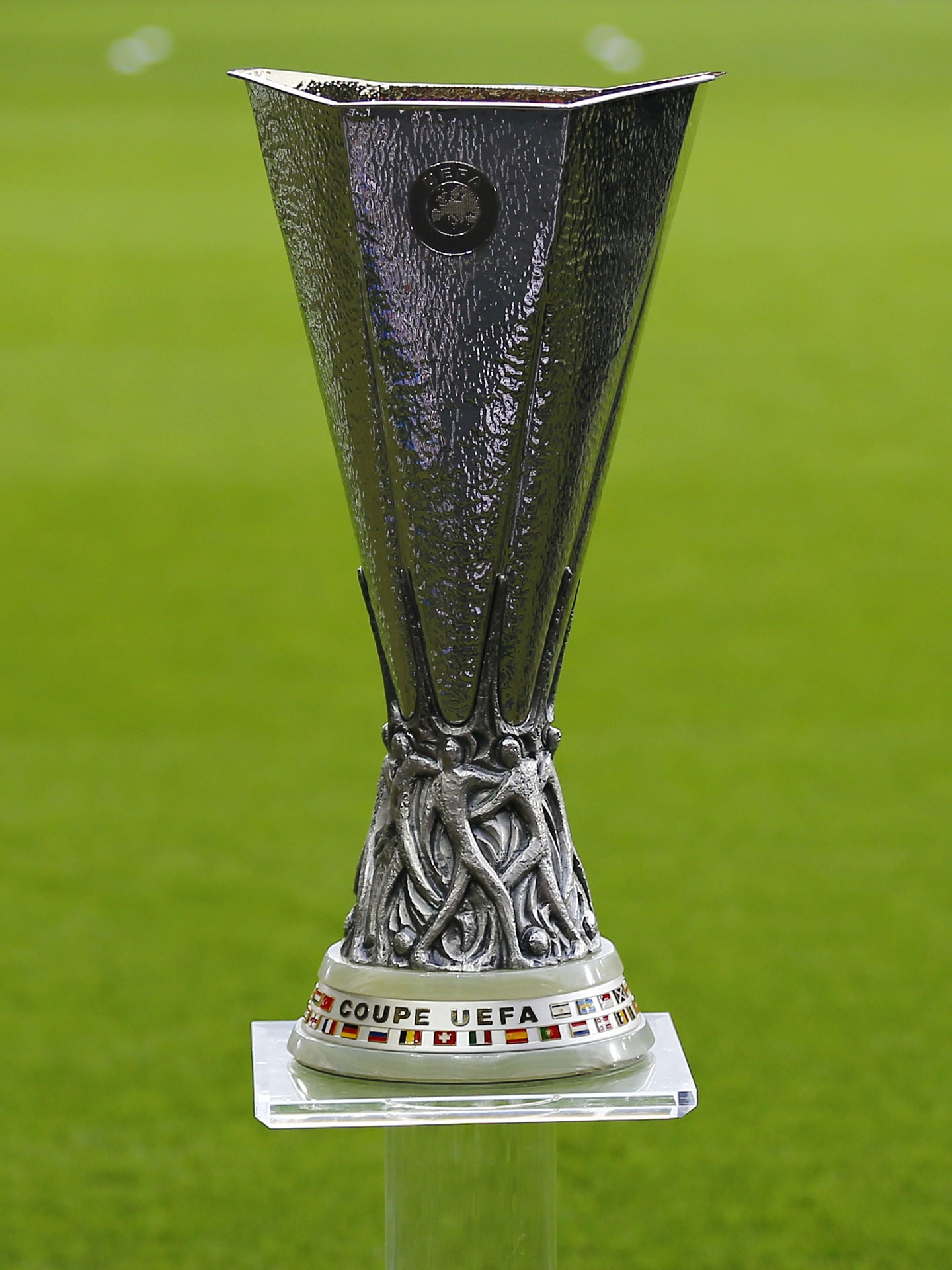

As Manchester United and Inter suffered shock defeats in the group stage of the Europa League, it is clear the competition presents clubs with a dilemma.

Of the 48 teams currently contesting the Europa League, many supporters likely would have picked out Manchester United, Inter, and Roma as the three strongest candidates, if asked.
However, all three failed to win their opening group game, with United falling 1-0 to Feyenoord and Inter beaten 2-0 by Israel’s Hapoel Be’er Sheva – at home, no less. Roma didn’t fare much better, managing just a 1-1 draw with Czech champions Viktoria Plzen.
With such poor results against inferior opposition and rafts of changes made to each club’s starting line-up, you might come to the assumption that these clubs don’t really want to be in the Europa League. You might well be right.
Despite United manager Jose Mourinho’s assertions of wanting to win the competition, and despite naming a fairly strong line-up (perhaps better for Rooney’s absence than for worse), the players certainly didn’t play like they wanted to win the trophy.

The same goes for the Roma and Inter. Both felt they had deep enough squads to rest their key players, and so they did. But nobody on the pitch performed to potential.
It is entirely possible that these clubs don’t want the burden of extra fixtures, and so if the reserve players can’t get them through, then all the better.
Yet, they also have a certain reputation to uphold. Losing and exiting at the group stage of Europe’s second competition is hardly a glorious feat, especially when the club has the talent to win the whole thing.

Each club that doesn’t take the Europa League seriously is taking a gamble on the notion that the absence of Europa League games will directly lead to an improved league position or domestic cup run.
However, if that does not happen then it would have been a poor decision. If United finished second in the Premier League but lifted the Europa League trophy, then perhaps there would still be dissatisfaction, and the suggestion that the league could have been won had there not been the distractions of Europe.
But is it worth taking that risk? No club would dream of passing up the opportunity to win the Champions League because it might improve their league form. And therein lies the problem. The Champions League trophy is a highly-coveted one, while its younger sibling is viewed as significantly less glamorous.
Perhaps if UEFA attempt to instil a change of perception about the competition, it would produce a different atmosphere.
Either way, it is a difficult decision. But until there is change, we will continue to see clubs strong enough to win the competition succumb to shock defeats and bow out far earlier than they should do – and that is a shame.
Receive exclusive football transfer news and updates twice a week to your mailbox