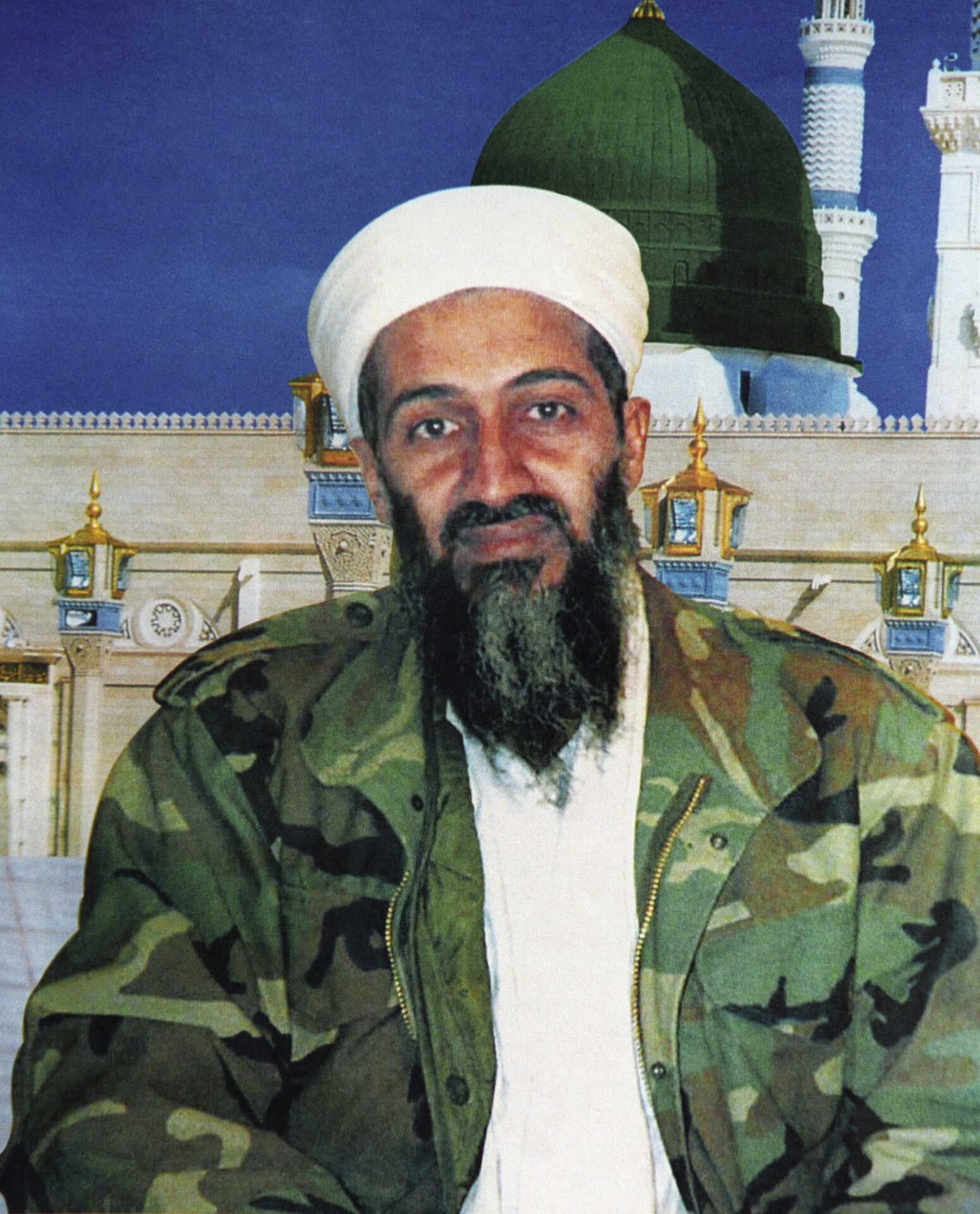

There are moments in football that feel almost too strange to be true, and this one still takes some believing. In November 2001, as the world reeled from the events of 9/11, Arsenal found themselves unexpectedly connected to the world’s most wanted man, and decided to ban him from Highbury.
The story began with revelations from Behind the Mask of Terror, a biography of Osama bin Laden by Adam Robinson. It claimed that, during the early 1990s while living in London, bin Laden had developed a taste for Arsenal. He had stood among the faithful at Highbury during the club’s 1993–94 European Cup Winners’ Cup run, and even popped into the club shop to buy a replica shirt for his son.
It was the kind of bizarre detail that, in another time, might have been dismissed as pub banter. But after 9/11, the idea of bin Laden in the Clock End became an uncomfortable curiosity, a surreal collision of football culture and global infamy. Arsenal’s response was swift and sensible: “Clearly he wouldn’t be welcome at Highbury in the future,” a club spokesman said at the time.
That line summed up football’s awkward collision with geopolitics. A London club, mid-season, issuing a statement about a terrorist leader’s supposed matchday habits. In its own way, it was one of the first examples of football’s global visibility being tied to political optics, an early glimpse of the PR machinery that now whirs constantly behind every club badge.
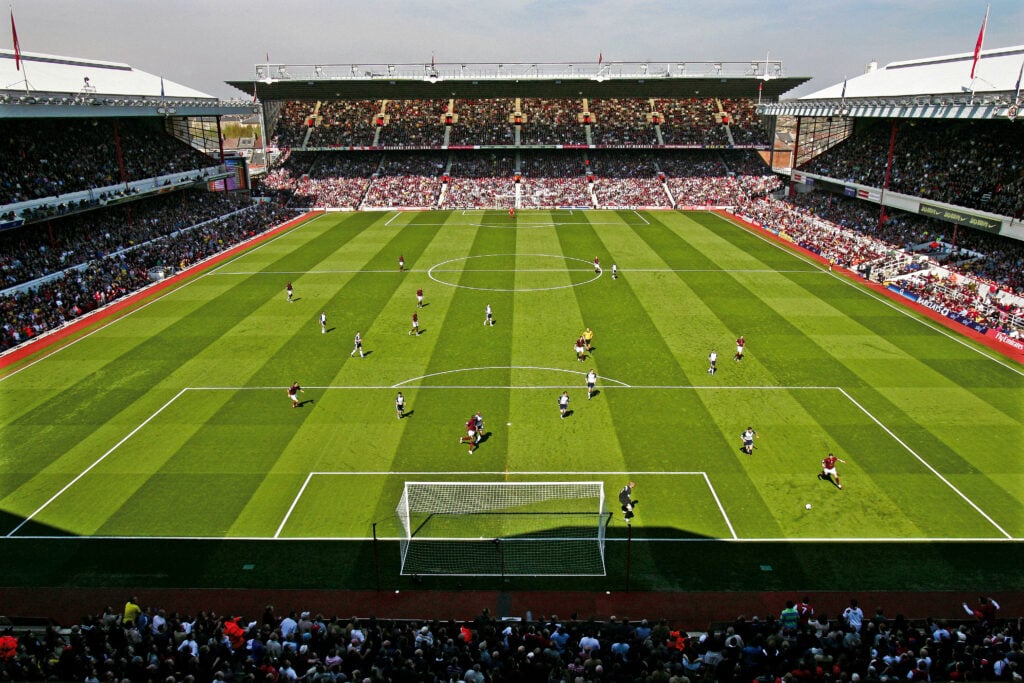
In the same week, The Telegraph‘s Giles Smith wrote with dry wit about the story’s absurdity, joking that perhaps Arsenal shouldn’t be banning bin Laden at all, but inviting him back to row 12, seat 43 in the Clock End, so the authorities could finally find him. Even a supporter-run site got involved, listing him among their “Celebrity Gooners” alongside Fidel Castro and the Queen Mother, before assuring readers that his past attendance made north London “slightly less likely to become a target”.
Looking back, the tale feels almost folkloric, an urban legend anchored in just enough truth to live on in football lore. It also marked the moment when football’s global reach became impossible to ignore. Here was a club whose fan base stretched so far that even the most notorious figure in modern history had apparently joined its ranks, however briefly.
For Arsenal, it was a bizarre footnote in the club’s history, quickly buried under more meaningful chapters, the arrival of Arsène Wenger, the move to the Emirates, the Invincibles. But for one brief spell in 2001, the headlines weren’t about a back four or a midfield diamond, they were about how a football club in north London had felt compelled to ban a terrorist.
Read more: Arsenal break new English top-flight record that Liverpool and Manchester United never managed
Strange days at Highbury, indeed.
Receive exclusive football transfer news and updates twice a week to your mailbox