


Formula 1 has grown a tremendous amount in the North American market over the last decade, and there’s still a long way to go.
In 2026, for the first time in history, the championship will boast two teams from the United States (even though they have bases in the UK), which signals the strength of the market.
Cadillac’s debut is eagerly anticipated, while Haas are well established now, and have a strong partnership with Ferrari.
But long before either of them joined the grid, there could have been another team in the mix. The 2010 season should and could have had 26 cars.
It didn’t quite pan out as some might have hoped, but reflecting on some of the other new entries that year, it might now have been a bad thing.
This year, there will be a 22-car grid for the first time since 2016. The added chaos is going to make qualifying at tracks like Monaco tricky, but exciting to watch for fans.
How the US F1 team failed to reach the grid in 2010 after Bernie Ecclestone advice
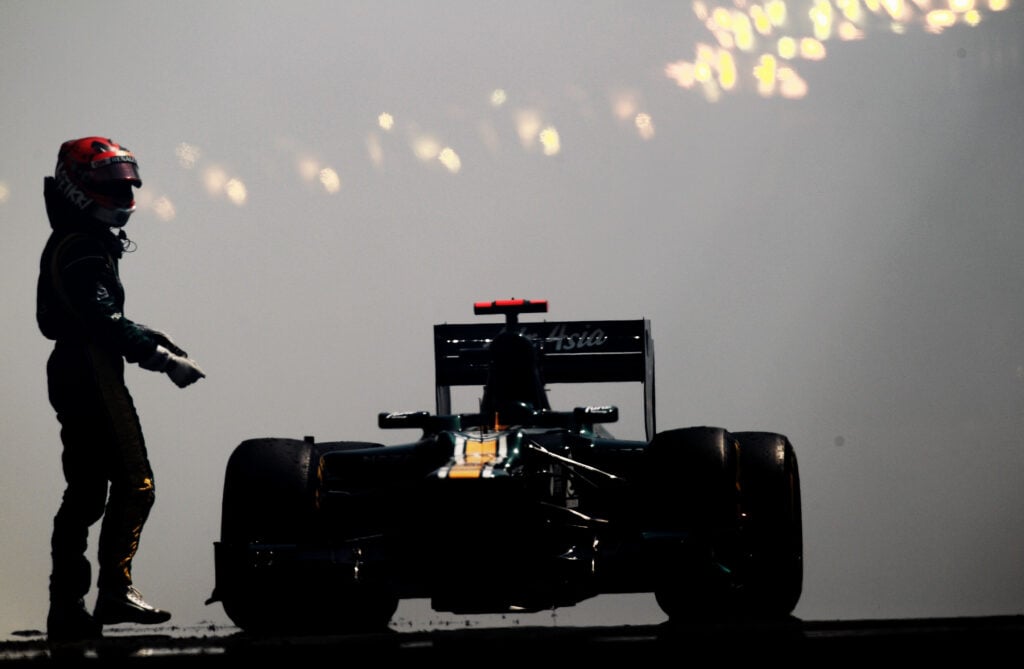
The 2010 Formula 1 grid had three new teams, but there could have been a fourth. The US F1 team, directed by journalist Peter Windsor and talented designer Ken Anderson made an attempt to join the grid.
Their main problem ended up being how long it took for them to guarantee a spot on the grid. By July, rival teams had already gambled that they would gain entries for the following year (Virgin, HRT, and Lotus).
So being that far behind was tough to come back from, and was a battle they ended up losing. Windsor revealed in a recent livestream that Bernie Ecclestone was heavily involved in the situation.
“To do an American team with American drivers, I think, was a great idea,” he said on his YouTube channel.
“It was all knocked on the head basically, by Bernie [Ecclestone] and Max [Mosley] looking at our business plan and saying, ‘Wow, that’s really good, those guys shouldn’t be allowed to just do that. We’ll get a whole lot of other people to do the same thing.’
“They looked at our budget and said, ‘Right, that’s what we’ll create a new championship around this budget that Peter Windsor and Ken Anderson have come up with.’ That was called the new budget cap Formula 1,” he continued.
“Which we didn’t want at all. We just wanted to sneak onto the back of the grid, start walking, then trotting, then running, then galloping as you do with a new Formula 1 team.”
How would a 26-car Formula 1 grid have functioned in 2010?
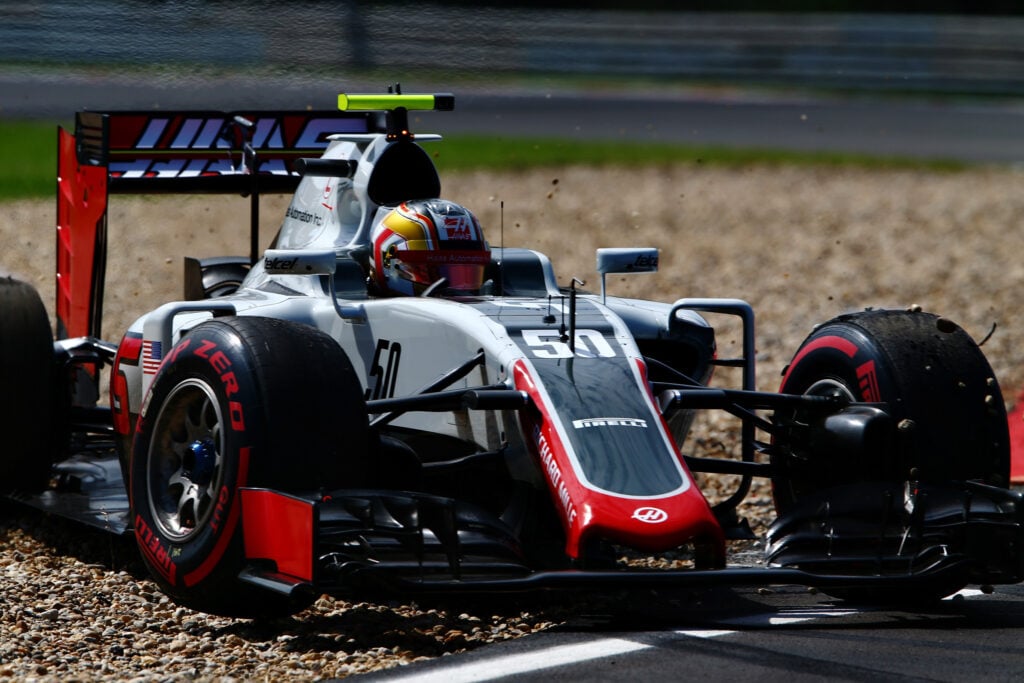
Looking back, it’s almost crazy to think that a 26-car grid was possible. At Monaco, the fastest time in Q1 was just over 75 seconds.
Divide that by the number of cars on the grid, and if every car was out trying to set a lap at the end of the session, there would have been less than three seconds between everyone.
In the modern era, that just wouldn’t be a sustainable idea. Dirty air would create havoc, and cars forced to push more would likely crash.
The less time a driver has to react, the more danger there is, so perhaps having 24 cars was actually safer at some circuits.
Receive exclusive football transfer news and updates twice a week to your mailbox