
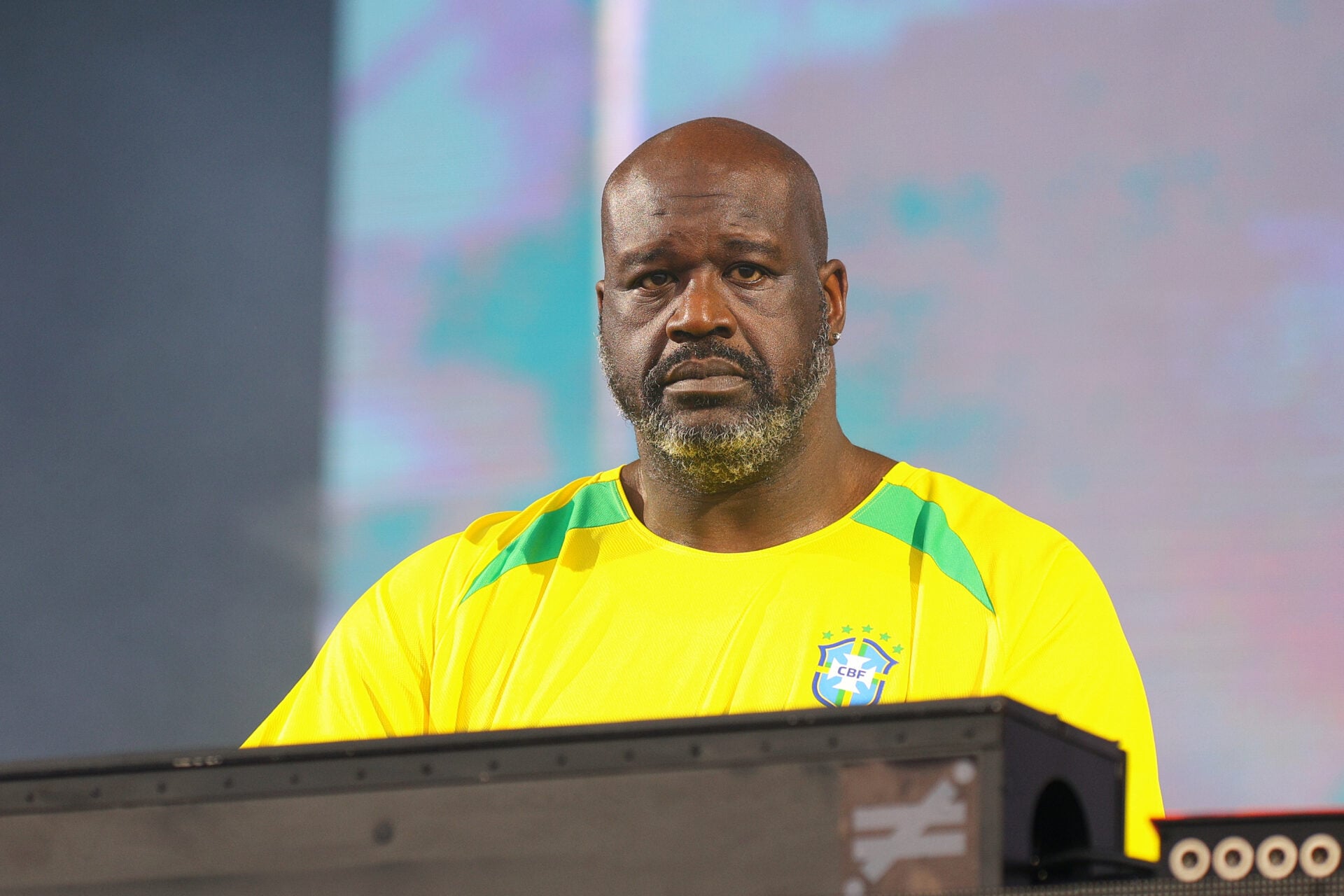

Shaquille O’Neal has revealed he is taking a GLP-1 medication, but the NBA legend says the decision is tied to a health issue he has lived with for years.
The 54-year-old has opened up about using Zepbound, joining a growing list of high-profile names publicly discussing GLP-1 drugs.
What makes O’Neal’s case different is the reason he gave. This was not framed as a quick celebrity weight-loss story, but as part of managing obstructive sleep apnea.
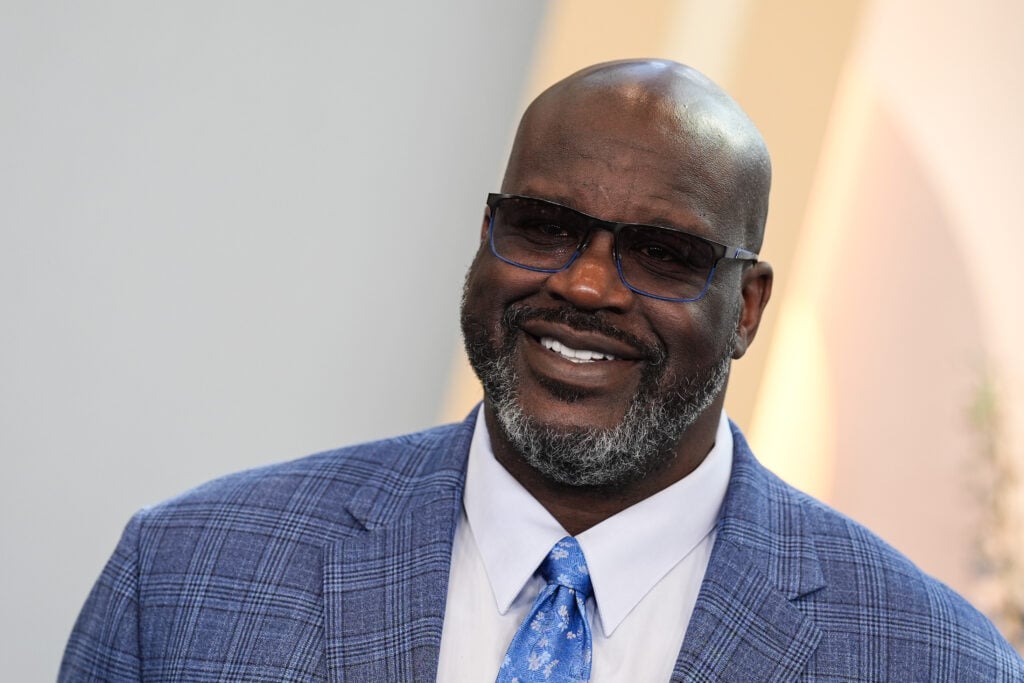
Shaquille O’Neal reveals GLP-1 use for sleep apnea
Speaking to GQ, O’Neal explained why he wanted to speak publicly about obstructive sleep apnea, also known as OSA.
“You know, I chose to share my experience because OSA is a serious but often overlooked condition,” O’Neal told GQ in an interview. “I want to help people if I can, because I can remember, especially when I stopped playing, the snoring, the daytime tiredness, a lot of fatigue, and being unable to focus. So this is very personal to me.”
O’Neal was diagnosed with OSA in 2011 after taking part in a Harvard Medical School sleep study shortly after retiring from the NBA.
The condition can repeatedly disrupt breathing during sleep, and O’Neal pointed to symptoms that affected his daily life after basketball, including tiredness, heavy snoring, fatigue, and difficulty focusing.
He told GQ he started Zepbound because he wanted better sleep, more energy, and a sharper mind. That makes the reveal less about trend-chasing and more about health maintenance for a former elite athlete still living a demanding schedule.
Shaquille O’Neal joins wider GLP-1 conversation
Zepbound is a tirzepatide medication, part of the wider GLP-1 conversation that has moved heavily into sports, entertainment, and celebrity culture.
The drug is approved for chronic weight management and for moderate-to-severe obstructive sleep apnea in adults with obesity, which explains why O’Neal’s comments go beyond simple weight-loss headlines.
He also said he has made lifestyle changes alongside the medication, including eating better and staying active with regular walking.
For O’Neal, the message was direct. He wants more people to recognize OSA as a serious condition and not ignore the symptoms he once lived with himself.
Receive exclusive football transfer news and updates twice a week to your mailbox