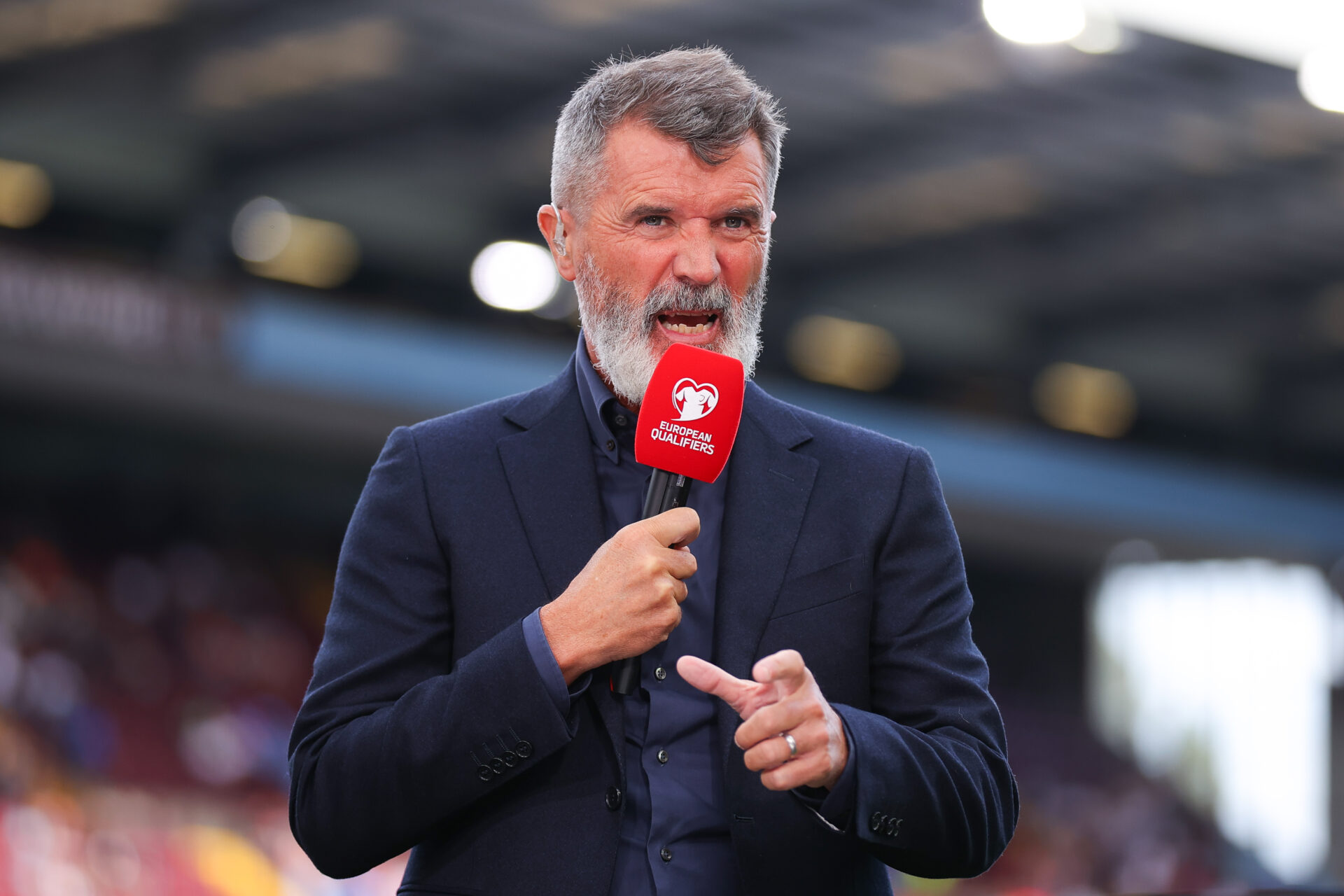

Former Manchester United captain highlights growing tension between managers and club powerbrokers.
The modern football landscape continues to shift, and recent managerial exits across British football have underlined how much influence now sits away from the touchline. Celtic, Manchester United and Chelsea have all parted company with their head coaches this season, with off-field dynamics playing a central role.
Brendan Rodgers left Celtic in October, Enzo Maresca departed Chelsea in early January, and Ruben Amorim followed shortly after at Manchester United. While each case has its own context, Roy Keane believes there is a common thread linking them — strained relationships between managers and those operating above them.
Keane points to power shift behind the scenes

Speaking on The Overlap, Keane argued that the balance of power within football clubs has changed significantly. According to him, directors of football and senior executives now wield far greater influence, often shaping decisions that managers once controlled.
Keane suggested that this environment makes life increasingly difficult for experienced coaches, who may find themselves answering to figures with little on-pitch background while having limited say over recruitment. He described this dynamic as a growing challenge for managers trying to do their jobs effectively.
Brendan Rodgers exit highlights wider concern
Keane also referenced Rodgers’ departure from Celtic, noting that comments made by Dermot Desmond at the time did not sit well with him. Desmond rarely speaks publicly, but his remarks following Rodgers’ exit stood out and, in Keane’s view, reflected a broader issue in how managers are treated.
Jamie Carragher added that while disagreements behind closed doors are inevitable, public disputes can damage clubs and undermine authority. Both agreed that friction between sporting directors and top-level managers is becoming unavoidable — but how clubs handle those relationships may define their long-term success.
Receive exclusive football transfer news and updates twice a week to your mailbox