
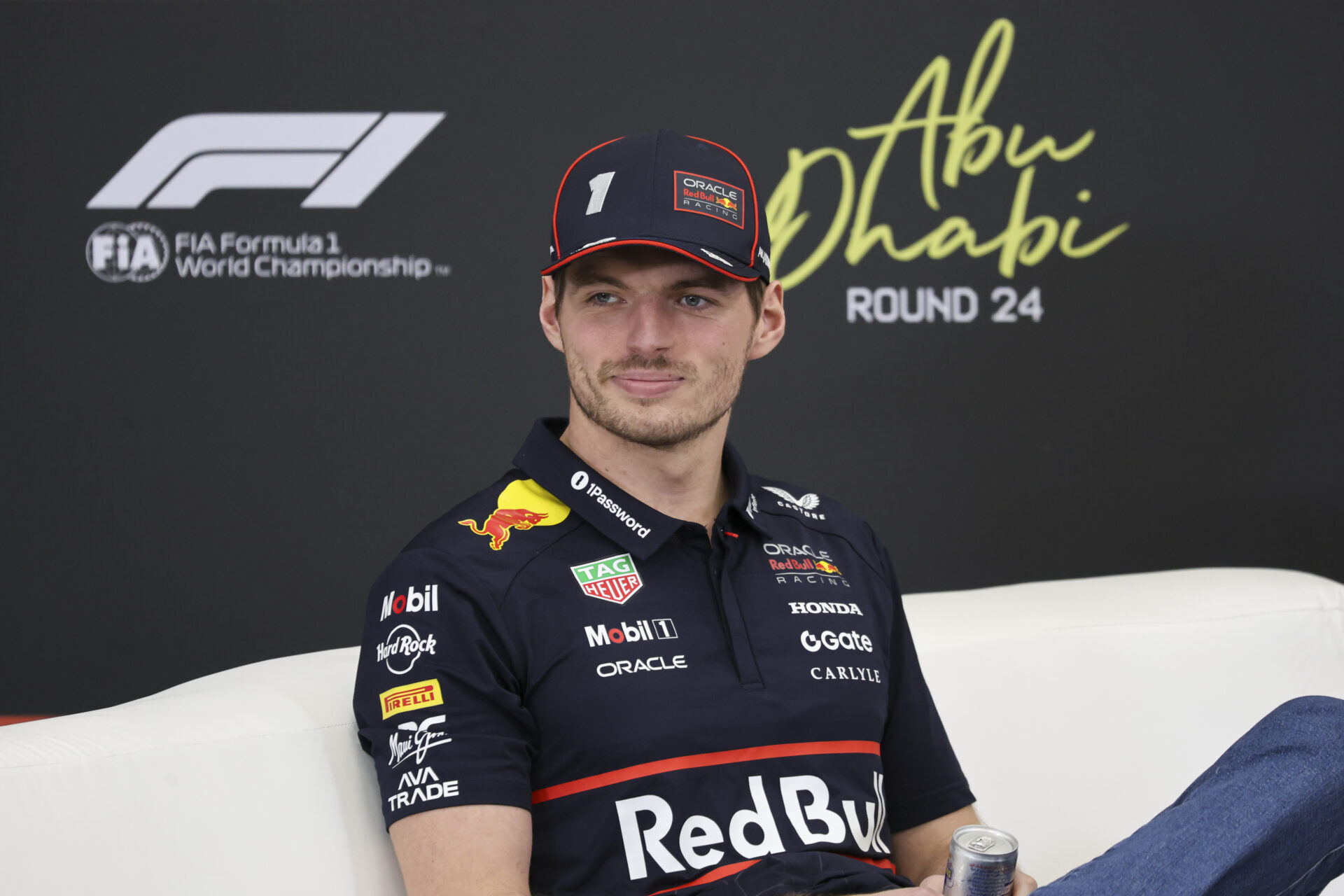

Red Bull heads into 2026 facing a lot of uncertainty, with several new challenges ahead.
Red Bull approach the 2026 Formula 1 season facing more unknowns than at any other point in their modern history. For the first time since entering the sport, the team will run its own power unit programme, relying entirely on the groundwork laid by Red Bull Powertrains without external support.
With sweeping new regulations also arriving, uncertainty extends beyond Milton Keynes to the entire grid. However, Verstappen is expected to gain an early indication during pre-season testing as to whether a championship challenge is realistic or if Red Bull will be forced into another season of aggressive development to remain competitive.
Verstappen may soon feel the effects of Red Bull’s growing brain drain
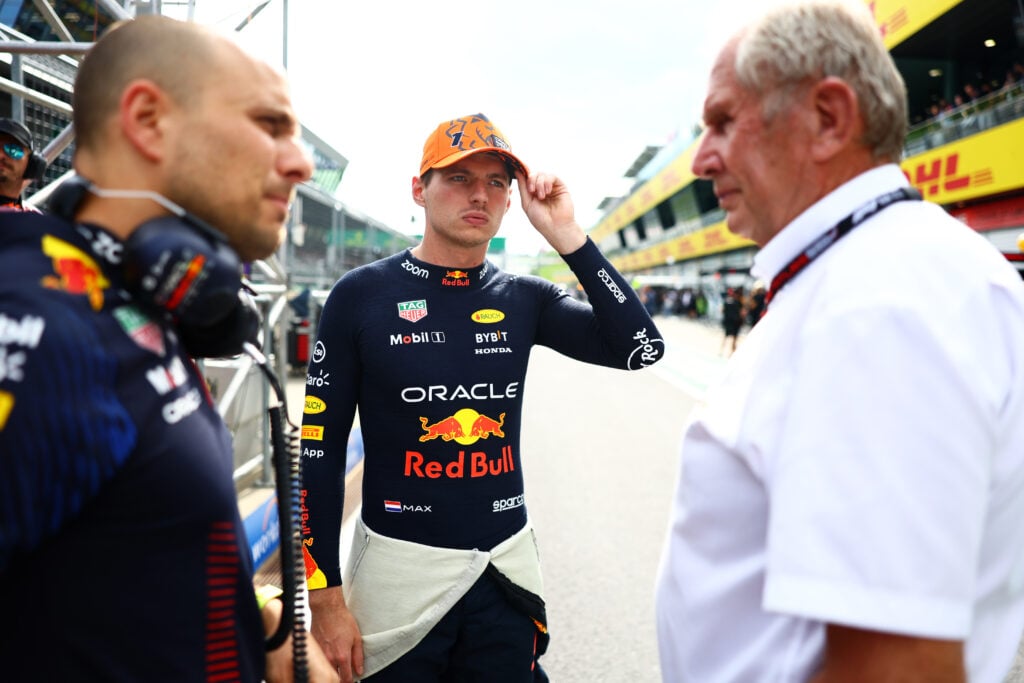
One major positive for Verstappen is the continued presence of race engineer Gianpiero Lambiase, with whom he shares an exceptionally strong working relationship. Despite recent links to Aston Martin and Williams, Lambiase remains under contract until 2027, offering vital continuity during a turbulent period.
That stability, however, is increasingly rare at Red Bull. Over the past 18 months the team has seen the departure of key figures including Will Courtenay, Adrian Newey, Christian Horner and Helmut Marko, alongside several senior engineers such as David Mart, Michael Manning and Tom Hart. The cumulative loss of experience is difficult to replace and threatens to weaken the team’s race operations, potentially creating a performance deficit relative to their rivals.
Why Red Bull still have reason for optimism after 2025
Despite narrowly missing out on the 2025 drivers’ championship by just two points, Red Bull demonstrated resilience and development strength in the latter half of the season. After the Dutch Grand Prix, they recovered 102 points from a 104-point deficit, outpacing competitors and reasserting their technical competence after a prolonged period of uncertainty with their car.
That late-season resurgence offers confidence heading into 2026 — a year expected to demand even greater innovation under the new regulations. While the team’s internal losses loom large, Red Bull will trust in their remaining core and factory operations to deliver a car capable of sustaining another title challenge deep into the campaign.shown that despite recent departures and changes behind the scenes, there’s still plenty of expertise left within their walls.
Receive exclusive football transfer news and updates twice a week to your mailbox