
Slow play has been a plague on the PGA Tour for what seems like forever.
Bryson DeChambeau was at the center of a slow-play controversy in 2019, which led to a series of PGA Tour rule changes to speed up the pace of play. But clearly, they haven’t worked.
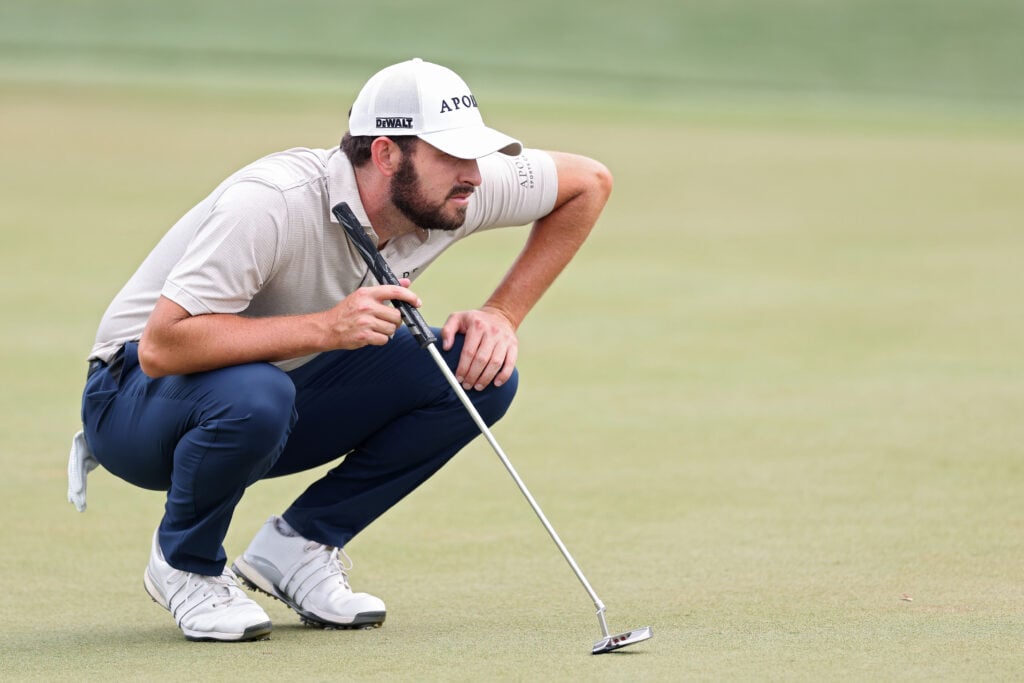
A large number of fans still believe it takes far too long for players to play their rounds, and it even reared its ugly head for a moment during the RBC Heritage. Matt Fitzpatrick was seen taking minutes to play a shot, which was just a layup on a par five.
So the PGA Tour is taking action after a series of fan complaints, but rather than fixing the problem, they’re trying to change the narrative.
PGA Tour attempts to change ‘negative’ perception on slow play
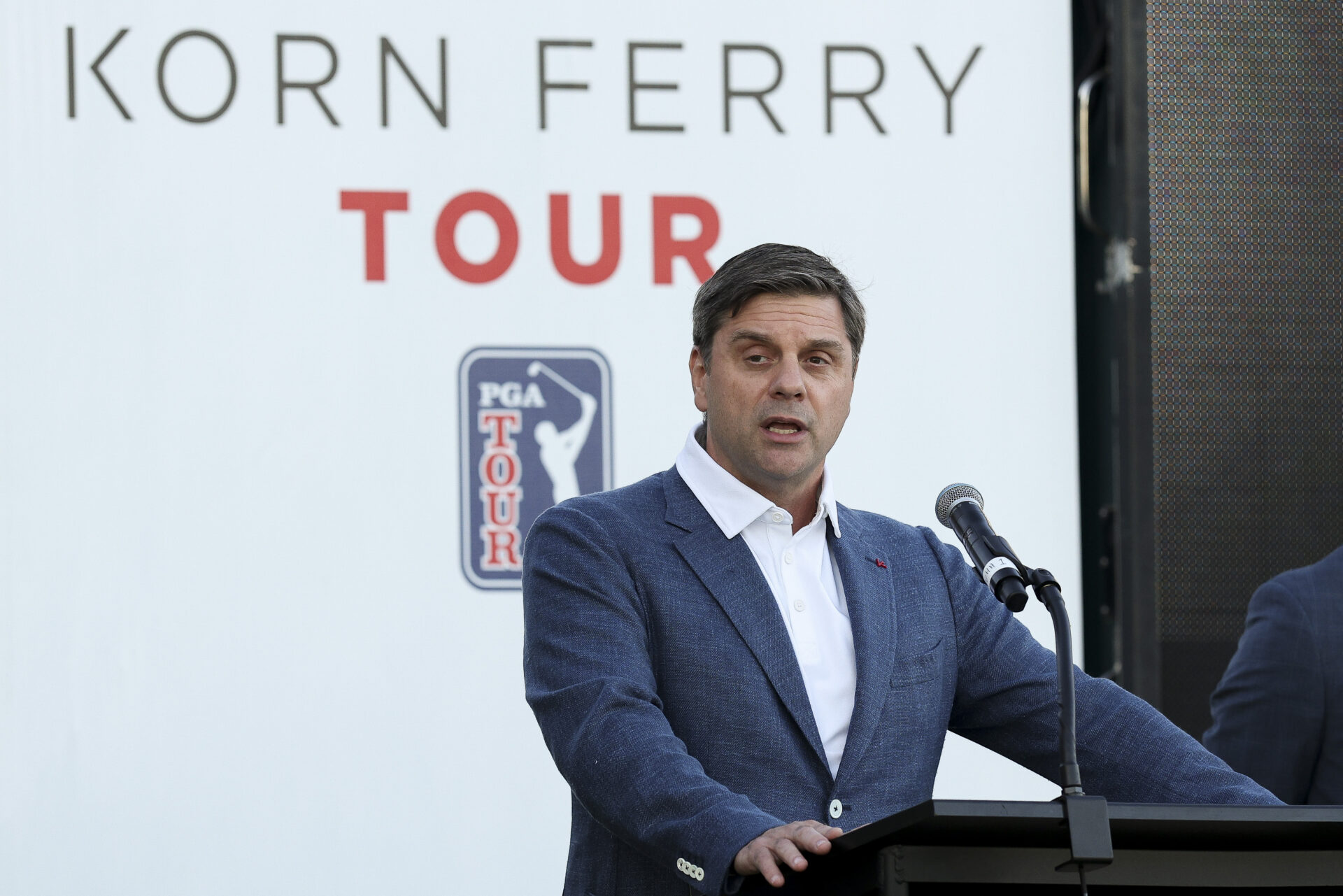
Next month, the PGA Tour will make average shot times for players on the Korn Ferry Tour public, a step towards the same treatment for players on the PGA Tour.
There will be a public ranking of the fastest and slowest players, along with a list of their times for different shot types. But the tour made clear that its aim isn’t to speed up players, but to show the public that there isn’t an issue with slow play at all.
A statement sent to Korn Ferry Tour members listed the following in its objectives:
- “Providing competitive context to fans
- Creating positive storylines and changing the perception around the speed of play, which currently spews negative
- Correcting inaccurate information and supporting members who are incorrectly labelled as slow players
- Being informative to the slowest players and monitoring any changes to their speed of play”
This was a statement sent to members, so the purpose could have been to reassure the slower players that they were not being persecuted. But it does come across as a little tone-deaf to fans.
There are genuine complaints among golf fans about the speed of some players, which is affecting their enjoyment of the sport. Plus, slow play can have a huge impact on the other players in the group as they struggle to get into a rhythm.
But instead of trying to fix this issue by enforcing the measures the tour already has in place, the PGA Tour is simply telling fans that they are wrong, and they’re going to prove it. That’s a step in the wrong direction.
Receive exclusive football transfer news and updates twice a week to your mailbox