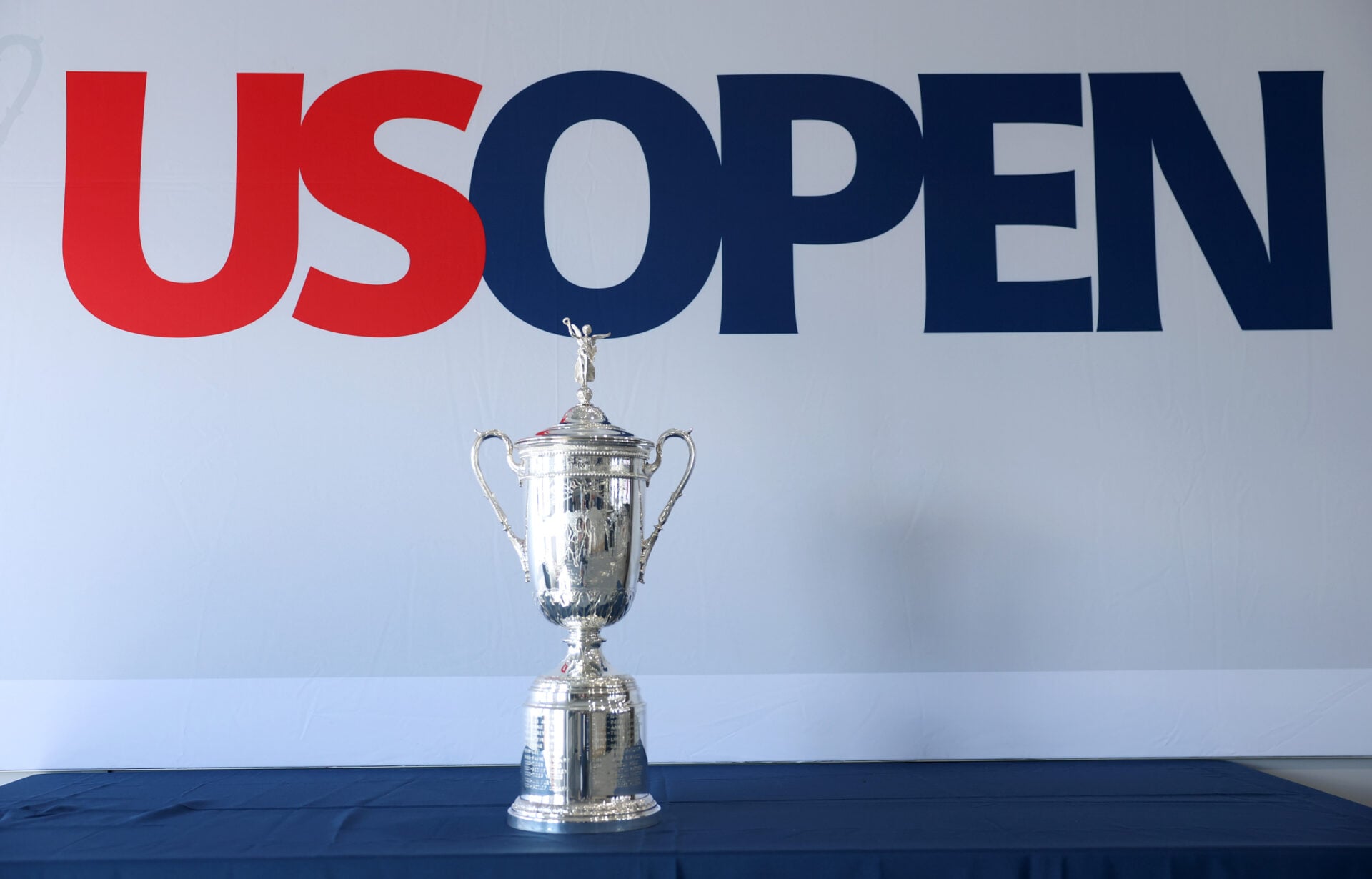

Whoever wins the 2026 U.S. Open will trouser a check for $4.5m, up slightly from the $4.3m JJ Spaun took home from Oakmont last year.
Adjusted for inflation, that’s 757 times what Horace Rawlins, the first U.S. Open winner, took home in 1895. But it’s the financial data in the last eight years, not 131, that paints the most interesting picture.
In 2018, when Shinnecock Hills – the only venue to have played host to the Open in three different centuries – last staged the event, Brooks Koepka earned $2.13m. Adjusted for inflation again, that’s $2.82m in today’s money.
Earlier this week, the USGA announced that the total prize money available at Shinnecock would be $22.5m, a $1m increase on last year. Relative to 2018, the overall purse has swollen by $10.5m. That’s an 87.5 per cent jump, compared to US inflation of about 32 per cent over the same period.
The difference? For the most part, it’s a simple supply and demand story. Specifically, the bombastic entrance to the scene of LIV Golf in 2022, backed by billions of Saudi petrodollars.
Five years down the line, the Saudi Public Investment Fund’s (PIF) interest has waned and the obnoxiously unsustainable business model is collapsing. The nine-figure contracts handed to the likes of Bryson DeChambeau and Jon Rahm were never going to be commercially viable, nor were the purses $30m – split across individuals and teams – available at every event.
This year’s U.S. Open, therefore, is taking place against the backdrop of LIV’s collapse. Its management team have called in the restructuring experts, are contemplating Chapter 11 bankruptcy and are courting private equity firms en masse to rescue the tour after PIF announced it would withdraw funding after 2026.
But regardless of whether LIV stumbles on or not, the tour has changed golf’s economics forever. After increasing purses to prevent its talent pool from thinning, the PGA Tour started a chain of dominoes which led to the USGA and each of the majors increasing their own prize money. And once the genie is out of the bottle, it doesn’t go back in.
Relative to other sports, however, golf’s prize money is a fraction of its revenue. The USGA recorded income of $333m in 2025, with the Open doing most of the leg work. TV rights in the US alone are worth north of $93m annually and sponsorship is likely worth in the region of $50m per year, while a gallery pass for the opening round at Shinnecock yesterday ranged from $217 to $6,875, per data collected by Forbes.
Last year, the USGA invested $263.5m in its ‘showcase’ pillar, which accounts for increasing purses, as well as other commercial investments to show off the most elite level that golf has to offer.
So, when the U.S. Open at Pebble Beach rolls around next year, expect the kitty to be bigger and badder.
Receive exclusive football transfer news and updates twice a week to your mailbox