
The World Cup has lit a fire under soccer in the United States.
The world’s biggest sports spectacle coming to America was always going to be a commercial success, but few could have predicted just how much the U.S. would have taken to soccer this summer.
Fears about attendances in the face of sky-high ticket prices were misplaced, though the argument about affordability and access to soccer will rightly rage on.
World Cup sponsors meanwhile saw a significant return on their investment in the commercial market they all want to conquer.
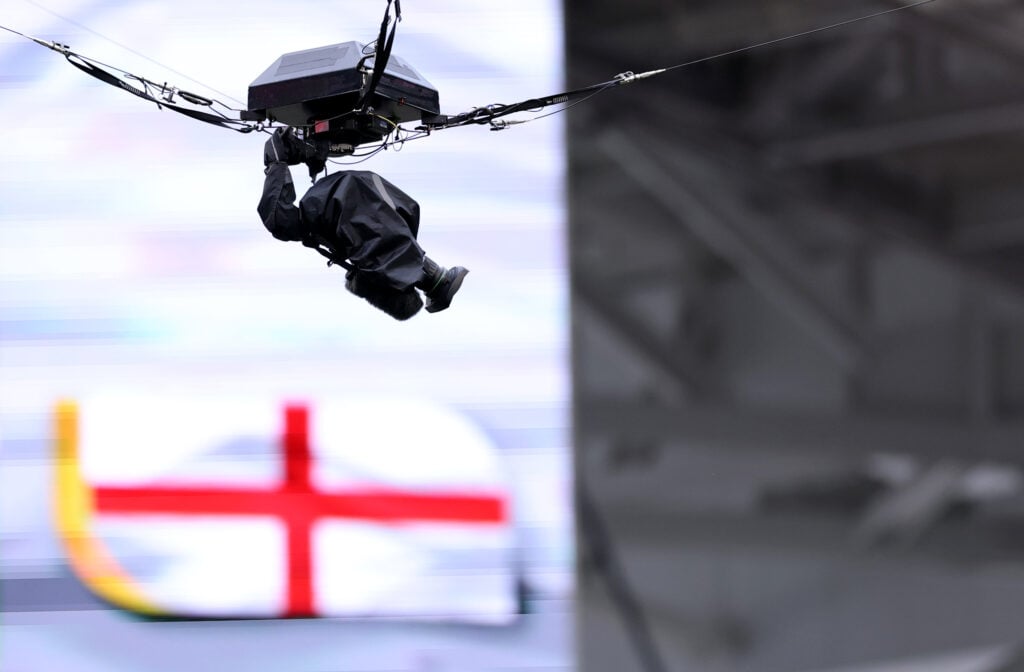
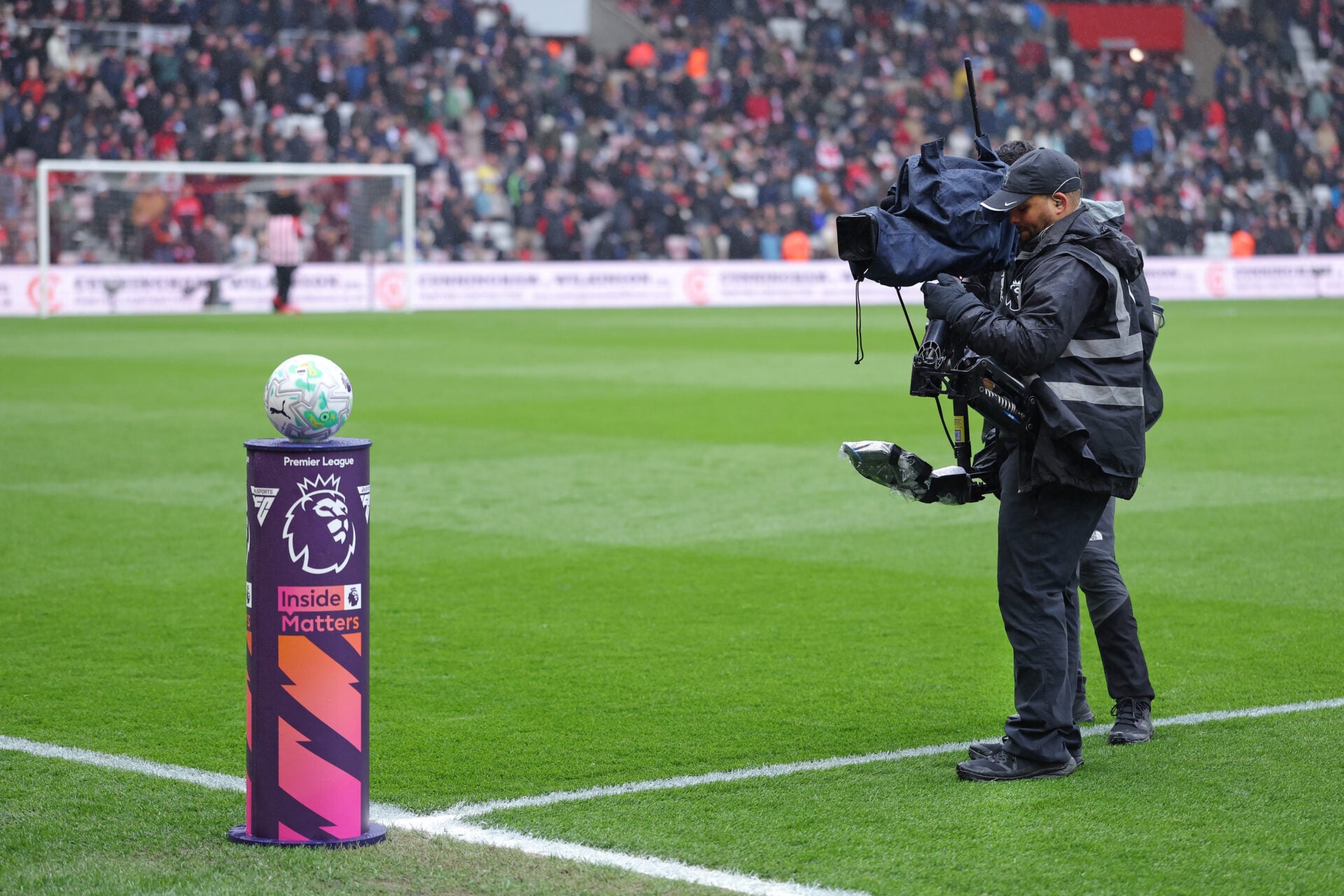
But the biggest success was the TV numbers.
The tournament’s crescendo saw Spain, comfortably the better team, beat Argentina in the final. 60 million tuned in, either through Fox or Telemundo. And numbers were high throughout the tournament, with an average of 7 million across all 104 matches on Fox alone.
Executives at the English Premier League will have been seeing dollar signs when they took in the data.
Premier League tipped for $3bn TV deal in the United States
Currently, NBC is the official broadcast partner for the Premier League in the U.S.
The English top flight is easily the most watched soccer league in the world, but it still wants to increase its penetration in America.
On the opening weekend of the 2026-27 season, for example, it will roll out ‘Coast to Coast Kick Off’, an initiative which will see all 20 Premier League clubs stage watch party events in 20 different cities.
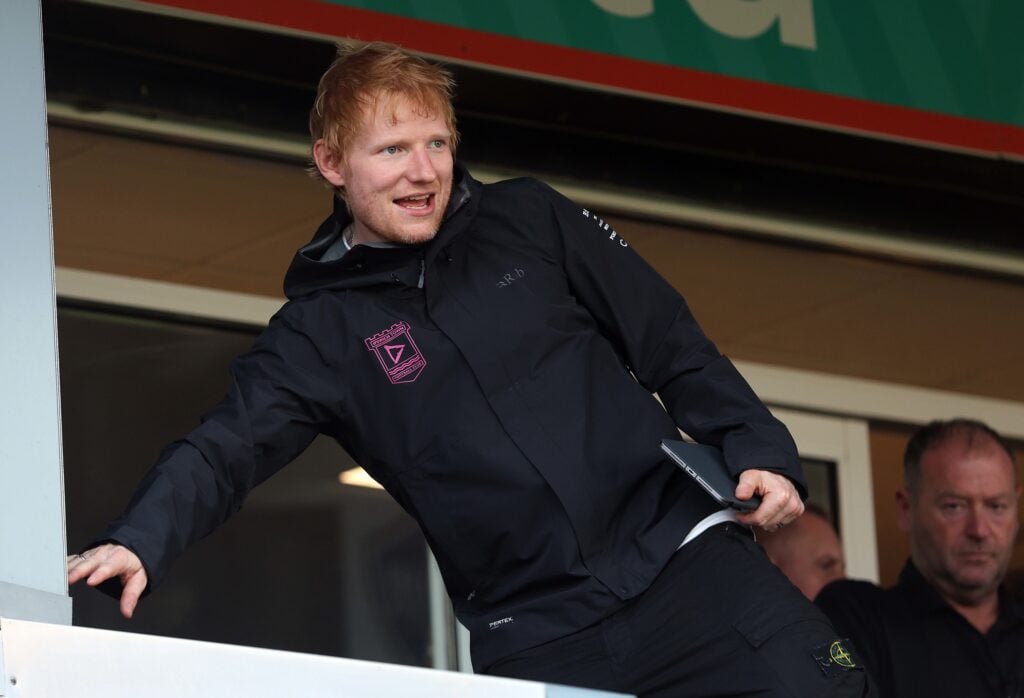
Ed Sheeran, a supporter and investor in Ipswich Town, will feature on their leg of the tour; Manchester United fans will converge on New York; and the Premier League trophy will be in Denver, where Arsenal owner Stan Kroenke is based.
For NBC, whose $2bn deal expires in 2031, the rights are almost certain to get more expensive next time around. “There is no reason we can’t see a 50 per cent increase if not more in the US in the next cycle,” says University of Liverpool soccer finance expert Professor Kieran Maguire, speaking exclusively to HITC.
“It was a positive tournament in terms of viewing figures, which surpassed all expectations. I expect the trend to continue when the rights are up for sale again.
“The Premier League has some superstars, and the U.S. likes superstars. There is a commonality of language between England and the U.S. too. You also have the jeopardy in English football which American fans buy into.
“We live in a global digital market, and America is full of global digital consumers. It’s a logical strategy from the Premier League’s point of view and, historically, they have been very successful in leveraging that.
“There is also significant competition for the rights in America, which can only be good in terms of the value of the rights.”
Receive exclusive football transfer news and updates twice a week to your mailbox