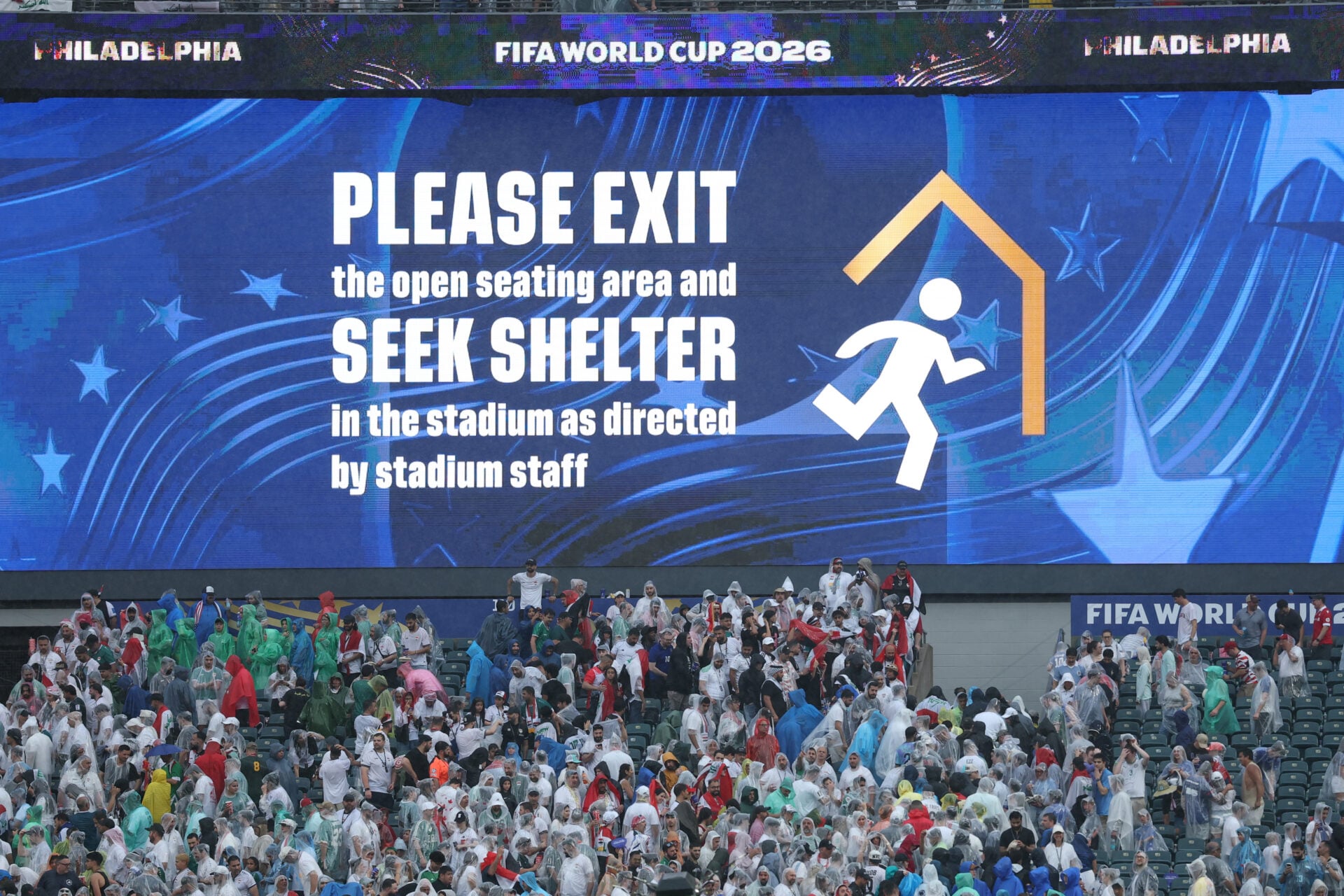

A heatwave hitting North America and Canada this week could lead to dangerous conditions disrupting the knockout stages, according to the National Weather Service (NWS)
The tournament is moving into the last-32 stage as a major heatwave develops across the United States and Canada.
The NWS website reads: “Dangerous, record-breaking heat will intensify across most of the central and eastern U.S this week. Heat indices will likely exceed 100 degrees. Heat is likely to continue across the eastern U.S. through the Independence Day holiday weekend.”
Forecasters expect temperatures above 32C across large parts of the central and eastern United States this week, with humidity pushing the heat index towards 46C in some areas.
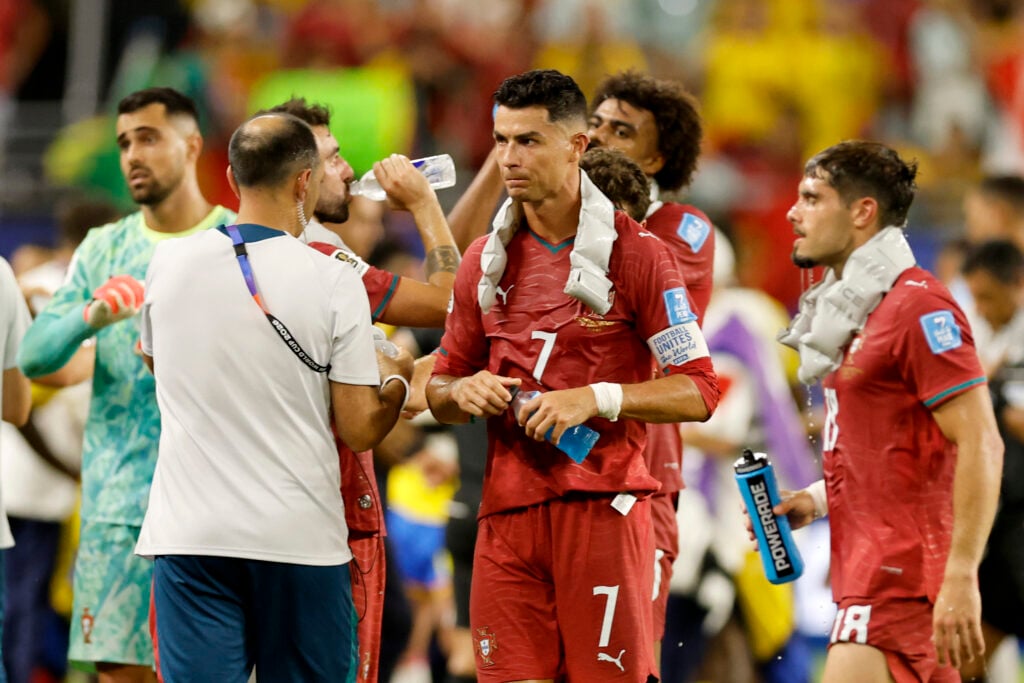
Alongside the heat, high humidity could make the heat feel hotter and lead to possible health risks with temperatures nearing the threshold where the global players’ union Fifpro considers it unsafe to play at.
Houston, Dallas and Atlanta all have climate-controlled stadiums, which should protect players during matches but supporters travelling to and from those games could still face extreme conditions outside the venues.
There are greater concerns around open-air matches, with Miami and Kansas City both expected to feel especially uncomfortable later this week.
Argentina v Cape Verde in Miami and Colombia v Ghana in Kansas City could both be played in conditions where humidity makes it feel close to 40C.
The Wet Bulb Global Temperature (WBGT) is the official measure of how heat and humidity impacts the body. The global players’ union Fifpro considers 28C WBGT unsafe for play; it is feared both of these matches could reach that reading.
How FIFA responded to scientist warnings last month
Fifa said it is “committed to protecting the health and safety of players, referees, fans, volunteers and staff” while implementing new measures for the 2026 World Cup.
Controversial hydration breaks were introduced for the tournament, and FIFA will also use the WBGT readings to ensure player safety where heat stress becomes a significant concern.
‘When the WBGT reading is near, at or above 32C, organisers must then determine “what precautions need to be taken to prevent any heat-related illness from occurring”, according to FIFA’s emergency care manual.
Receive exclusive football transfer news and updates twice a week to your mailbox