
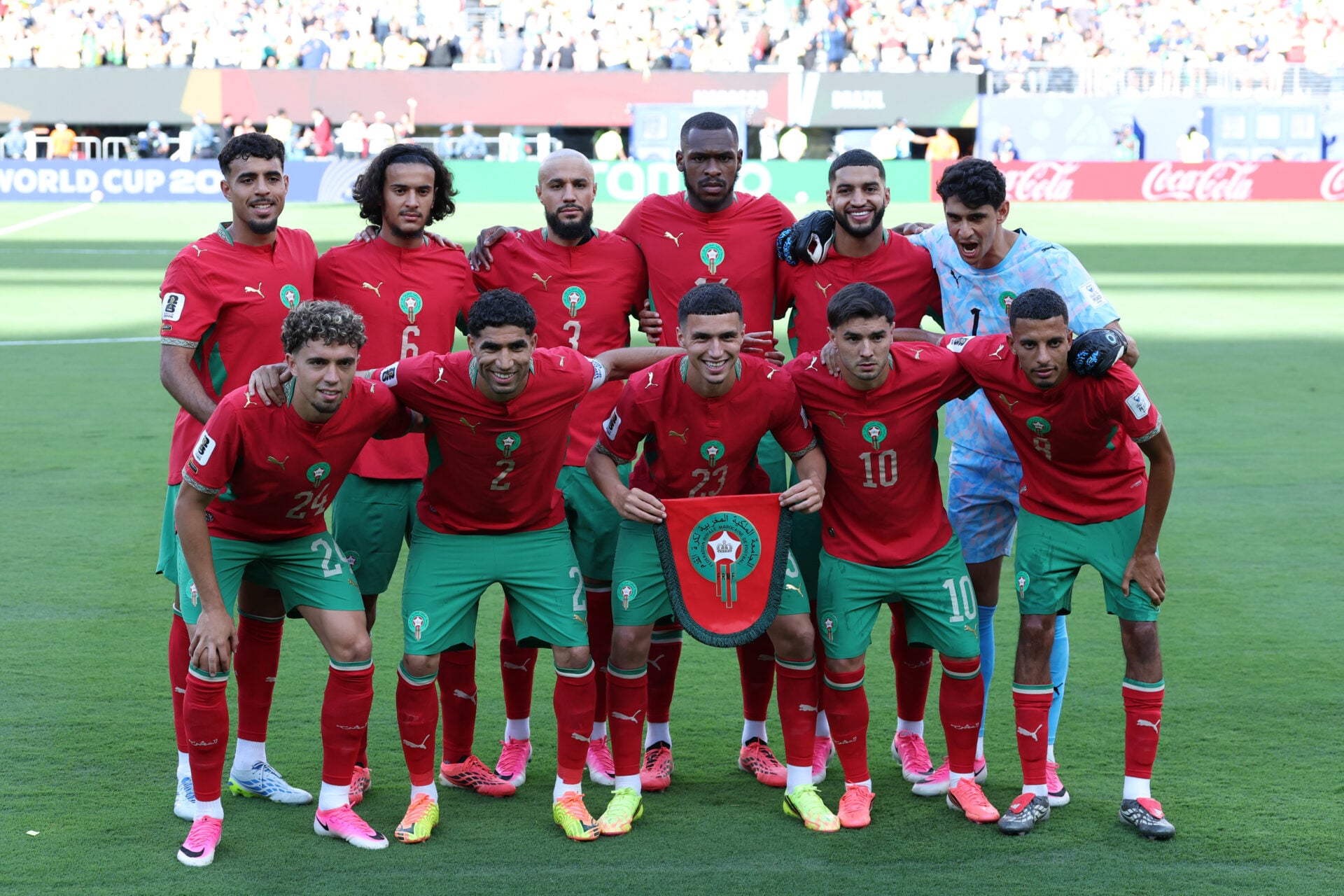

Morocco’s 1-1 draw with Brazil was always going to be the toughest fixture either side faced in Group C.
Ismael Saibari put Morocco ahead in the 21st minute after Brahim Diaz helped open up Brazil, but Vinicius Junior equalised just over ten minutes later. Even so, Morocco played with enough organisation, pace and control to make Brazil work for every phase of the game.
That performance mattered because it proved Morocco can stand up to one of the tournament favourites. But the draw also carried a bigger historical detail, as Morocco broke new ground in World Cup history during the second half, something no country has managed since the first edition of the tournament in 1930.
Morocco become first World Cup team to field 11 players born abroad
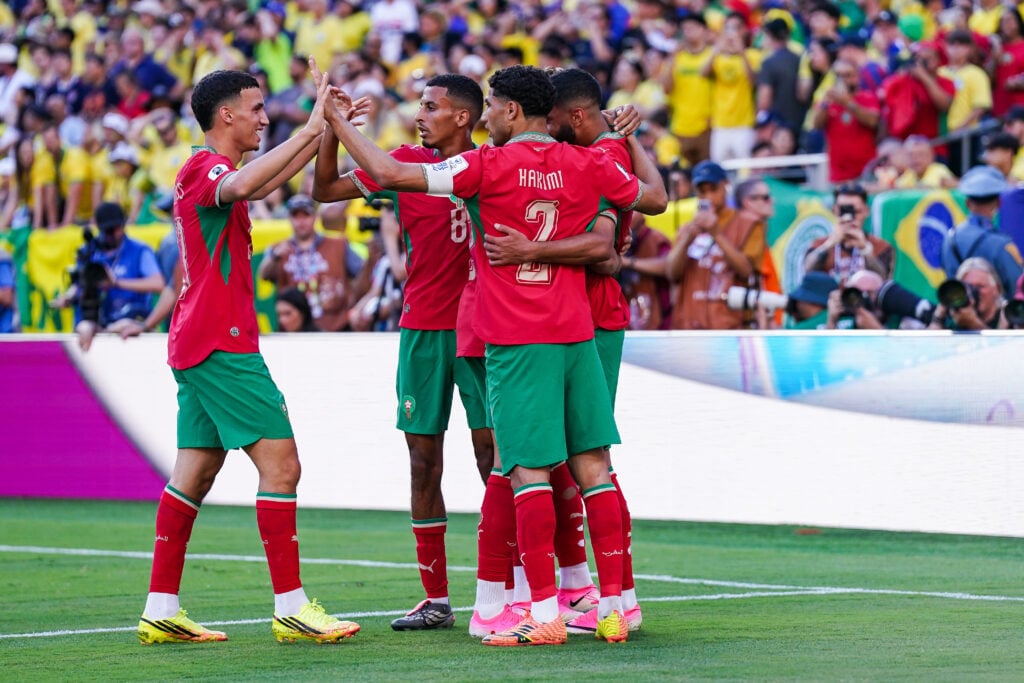
The landmark moment came in the 65th minute, when Azzedine Ounahi and Brahim Diaz were replaced by Samir El Mourabet and Chemsdine Talbi.
Ounahi was born in Casablanca, Morocco, while El Mourabet and Talbi were born in France and Belgium, respectively. With those substitutions, Morocco had 11 players on the pitch who were all born outside the country.
That made Morocco the first team in almost 100 years of World Cup history to field an entire XI with no player born in the nation they were representing, according to Centre Goals.
But the detail should not be reduced to a question of belonging. Being born elsewhere does not make those players any less Moroccan, especially when identity is shaped by family, culture, religion and lived connection as much as birthplace.
It also reflects years of work from the Moroccan FA. Morocco have built a strong pathway to keep diaspora players close to their roots, especially in countries such as France, Belgium, Spain and the Netherlands.
The Brazil draw was therefore more than a strong result for Morocco. It was a sign of how modern national teams can be built through heritage, planning and a wider idea of home.
Receive exclusive football transfer news and updates twice a week to your mailbox