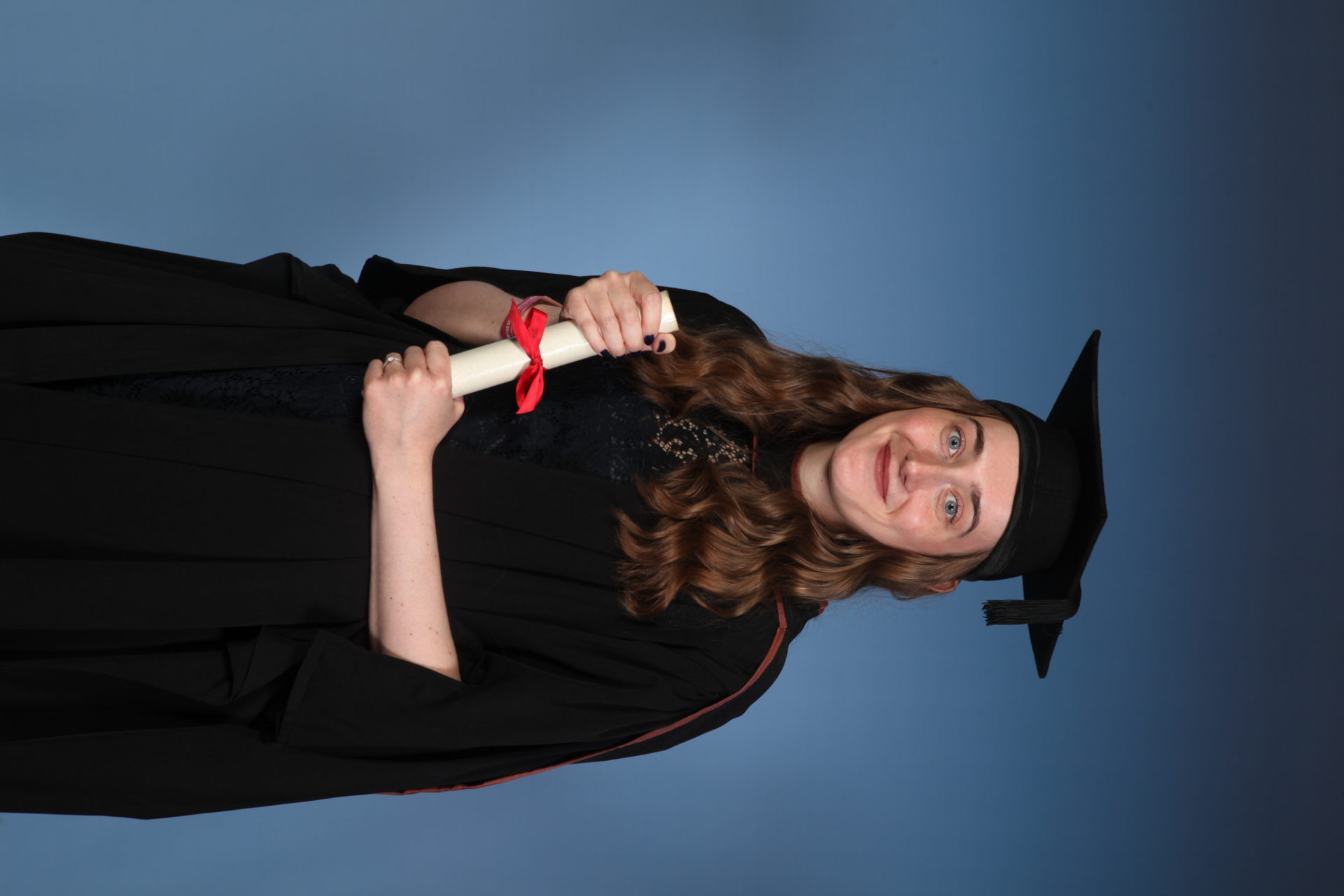


Mercedes’ decision to promote F1 Academy champion Doriane Pin to Development Driver for 2026 is more than a milestone; it’s proof that Formula 1’s gender inclusion efforts are finally producing real results.
Her journey from junior driver to a factory-supported simulator role signals that representation is turning into structure.
Pin’s 2025 championship, featuring four wins and eight podiums, gives substance to F1 Academy’s founding mission of creating a genuine talent pipeline for women.
Her rise from the Mercedes Junior Programme into a technical development role confirms that the series can produce drivers capable of contributing within the sport’s top teams.
The F1 Academy was launched to bridge the structural gap between female and male racing careers. Pin’s graduation is the first clear signal that this experiment works when talent, infrastructure, and opportunity align.
Mercedes Treats Talent, Not Optics
Mercedes’ internal promotion validates Pin on performance, not publicity. Team representative Bradley Lord cited her dedication, speed, and engineering feedback — qualities that match the standards used to elevate George Russell and Andrea Kimi Antonelli. This is not branding; it’s benchmarking.
Pin joins Mercedes’ simulator and trackside operations where her input will carry practical weight in car development. It’s a role earned through proven skill, not a symbolic gesture.
Pin’s endurance-racing background with the Iron Dames taught her how to work in complex team environments and handle technical strategy over long stints. That experience now supports her single-seater transition. In an interview with the Motorsport Network, Pin’s remark of “My dream is Formula 1”, frames her promotion as a professional progression, not a media opportunity.
By combining endurance discipline with simulator precision, Mercedes gains a development driver who already understands how performance builds over data and feedback, not fame.
From Wolff and Chadwick to Pin
Before Doriane Pin, the most recent woman to hold a Formula 1 development position was Jamie Chadwick, who joined Williams in 2019 after winning the inaugural W Series title.
Chadwick contributed to simulator and marketing duties but never progressed into a race-support capacity within the team. Her role, while symbolic at the time, helped demonstrate that structured female programmes could feed into F1 environments.
Earlier, Susie Wolff became the first woman in 22 years to take part in an official F1 weekend when she ran in first practice at Silverstone in 2014 with Williams.
Her career bridged professional driving and leadership, culminating in her position as managing director of F1 Academy. Wolff’s continued presence in the sport adds institutional weight to Pin’s rise, connecting policy-level commitment with competitive opportunity.
Pin’s arrival extends that timeline into a new phase — one grounded not in representation alone but in structured performance. She is the first woman in more than half a decade to join an F1 team in an active development capacity, and the only one to do so directly from an academy designed to produce elite-level drivers.
Read More Like This:
- Drive to Survive Season 8: Release date, how to watch and everything you need to know
- Lewis Hamilton ‘still chasing’ his Mercedes form, say Ferrari insiders
- Audi’s James Key hits back at FIA response to Mercedes and Red Bull engine advantage
Receive exclusive football transfer news and updates twice a week to your mailbox