
Women have been part of Formula 1 since its earliest decades, and their influence now stretches far beyond the cockpit.
From pioneering drivers to engineers, strategists and team leaders, women continue to shape how the sport operates both on and off the track.
The history of women in Formula 1 dates back to 1958, when the first female driver competed in a World Championship race. Maria Teresa de Filippis entered the Belgian Grand Prix and finished 10th, becoming the first woman to both start and complete a race in the championship.
Her appearance came at a time when Formula 1 was still establishing itself as a global motorsport competition. Competing against many of the sport’s early stars, de Filippis demonstrated that women could compete at the highest level of single-seater racing.
The most successful female driver in Formula 1 history remains Lella Lombardi, who is still the only woman to score points in the championship. Lombardi finished sixth at the 1975 Spanish Grand Prix, earning half a point after the race was shortened due to an accident.
Several other women attempted to follow the same path in the decades that followed. The most recent was Giovanna Amati, who became the last woman to attempt qualification for a World Championship race when she entered three Grands Prix with Brabham in 1992.
The moment women returned to the F1 weekend
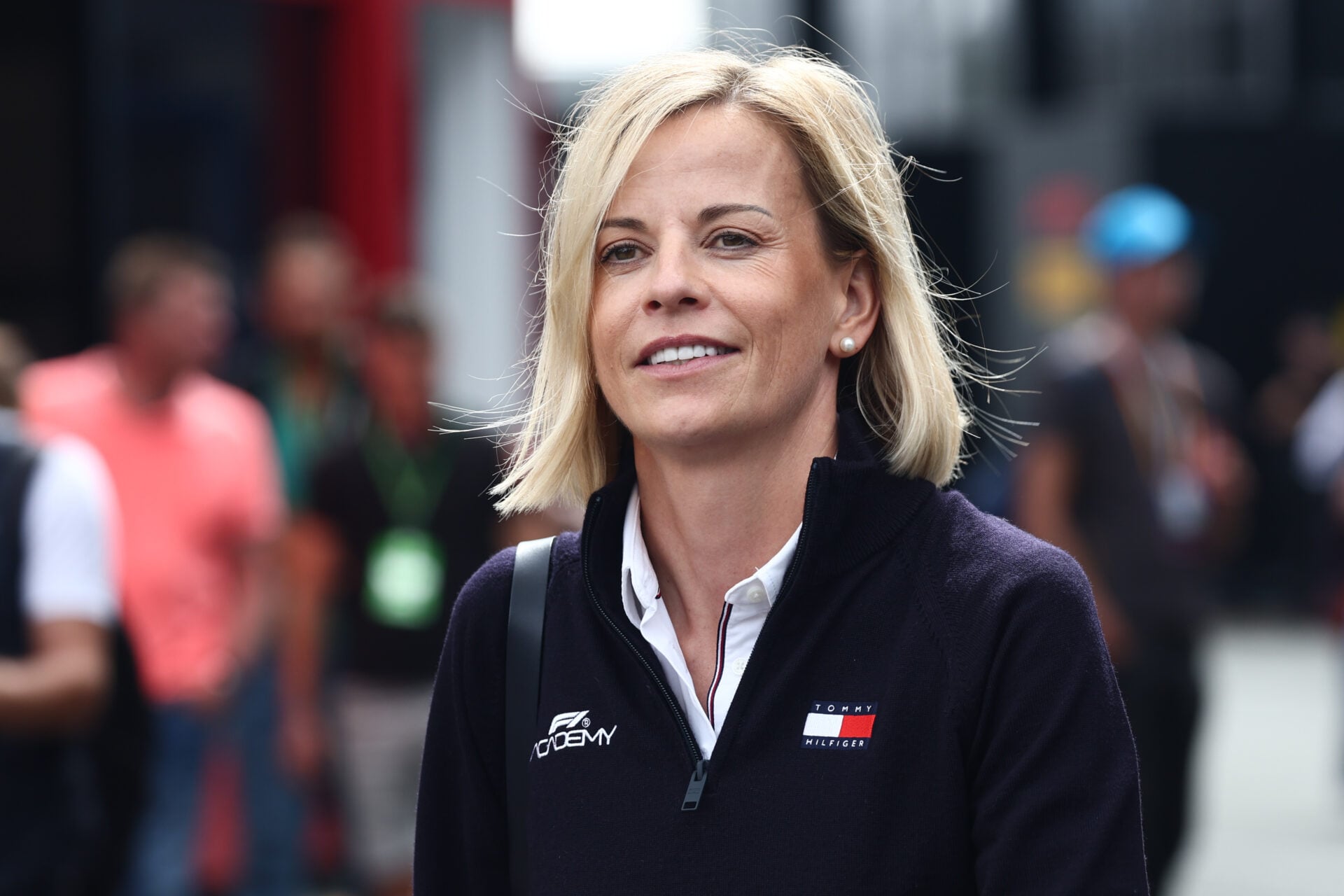
More than two decades passed before a woman appeared again during a Formula 1 race weekend. That moment came in 2014 when Susie Wolff drove for Williams during practice at Silverstone, becoming the first woman to participate in an F1 weekend since 1992.
Her appearance marked a visible moment for female representation within the sport. Wolff later continued her involvement in motorsport development after stepping away from racing.
She now leads the sport’s dedicated driver pathway after becoming the managing director of F1 Academy. The series provides structured opportunities for young female drivers to gain experience in single-seater racing while competing alongside Formula 1 race weekends.
The forgotten women of Formula 1’s early pit lanes
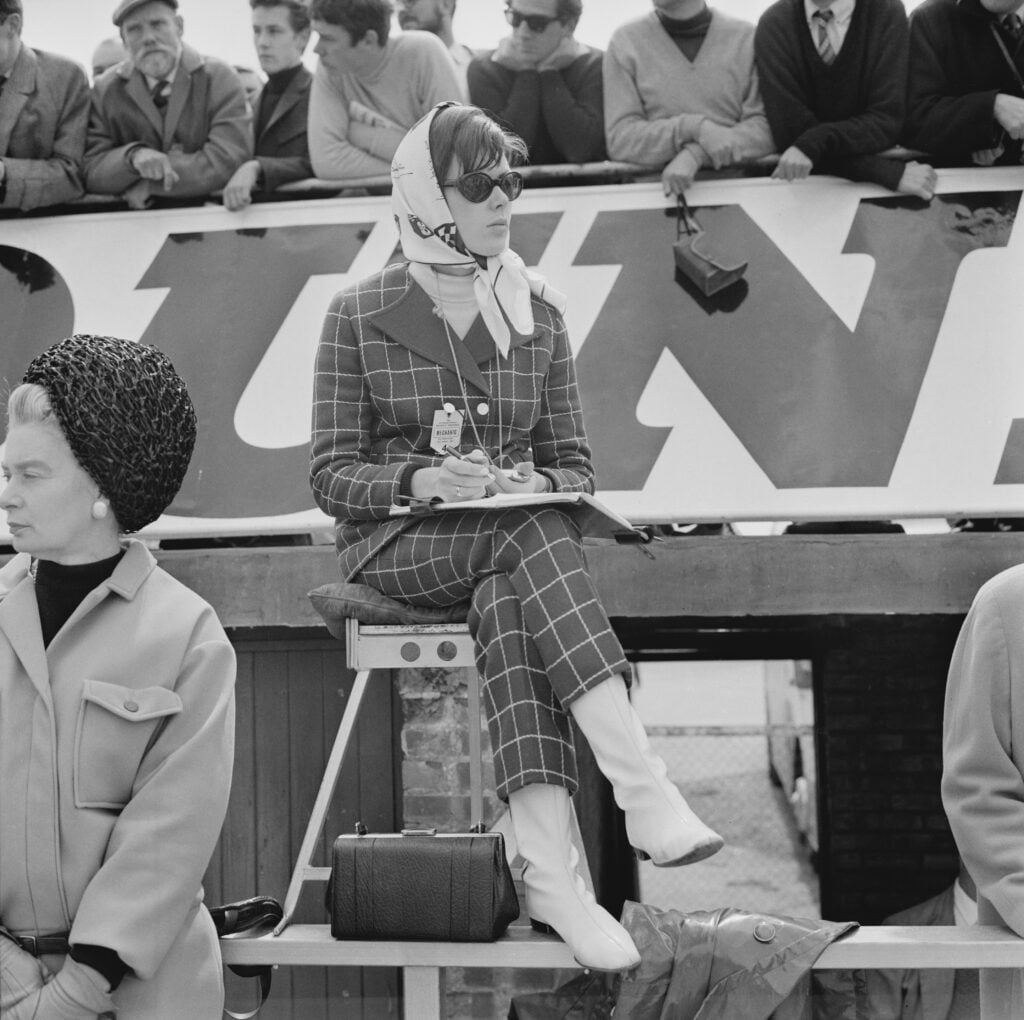
In the early decades of Formula 1, long before computers, live telemetry and digital timing systems became standard, teams relied on a far more manual approach to gathering race data. Among the most important figures in this process were the wives, girlfriends and partners of drivers, many of whom played a vital role in the pit lane with a stopwatch in hand.
During the 1950s and 1960s, timing laps was essential for race strategy. Teams used manual stopwatches to record lap times and maintain lap charts, helping drivers and engineers understand performance, fuel usage and race pace. In many cases, the responsibility for this meticulous work fell to the women who supported the drivers away from the track.
One of the most recognisable figures in this unofficial role was Bette Hill, the wife of two-time world champion Graham Hill. Often described as the “First Lady” of Formula 1, Bette was a familiar presence at circuits, carefully timing her husband’s practice laps and recording crucial information that helped the team evaluate performance.
Another well-known example was Nina Rindt, wife of 1970 world champion Jochen Rindt. A stylish and influential figure in the paddock during the late 1960s and early 1970s, she was frequently seen timing laps from the pit wall. Those who knew the era often described her as “the heartbeat of the pit lane, stopwatch in hand”, reflecting how central these roles could be to the day-to-day running of a race weekend.
Later on, Joann Villeneuve, the wife of Ferrari driver Gilles Villeneuve, was also known for her involvement in timing and race data. She developed a precise stopwatch system that helped Ferrari’s management keep track of lap times and performance during sessions, demonstrating how these informal roles could still have a meaningful impact on team operations.
Perhaps the most famous example, however, is Lady Helen Stewart, the wife of three-time world champion Sir Jackie Stewart. During Stewart’s racing career in the 1960s and early 1970s, Helen became an integral part of his support team.
Stewart has often described her as his “professional stopwatch” and “lap charter”, responsible for recording his lap times with remarkable accuracy. While Jackie was on track, Helen would stand trackside timing each lap down to the millisecond, providing the data needed to evaluate performance during an era when teams had little technological assistance.
The women influencing decisions inside the paddock
While female drivers have rarely appeared on the Formula 1 grid, women now hold several influential roles within the sport’s teams and leadership structures. One milestone came when Monisha Kaltenborn became Formula 1’s first female Team Principal at Sauber in 2012, a position she held until 2017.
She was followed just a year later by Claire Williams, who took on the role of deputy team principal at Williams after her father, and team founder, Frank, stepped down. Although he was still named as the team principal, Claire spent seven years managing the day-to-day running of the Grove-based squad.
Race strategy has also seen female leadership become increasingly visible. At Red Bull, Principal Strategy Engineer Hannah Schmitz has played a key role in shaping race strategies during the team’s championship campaigns.
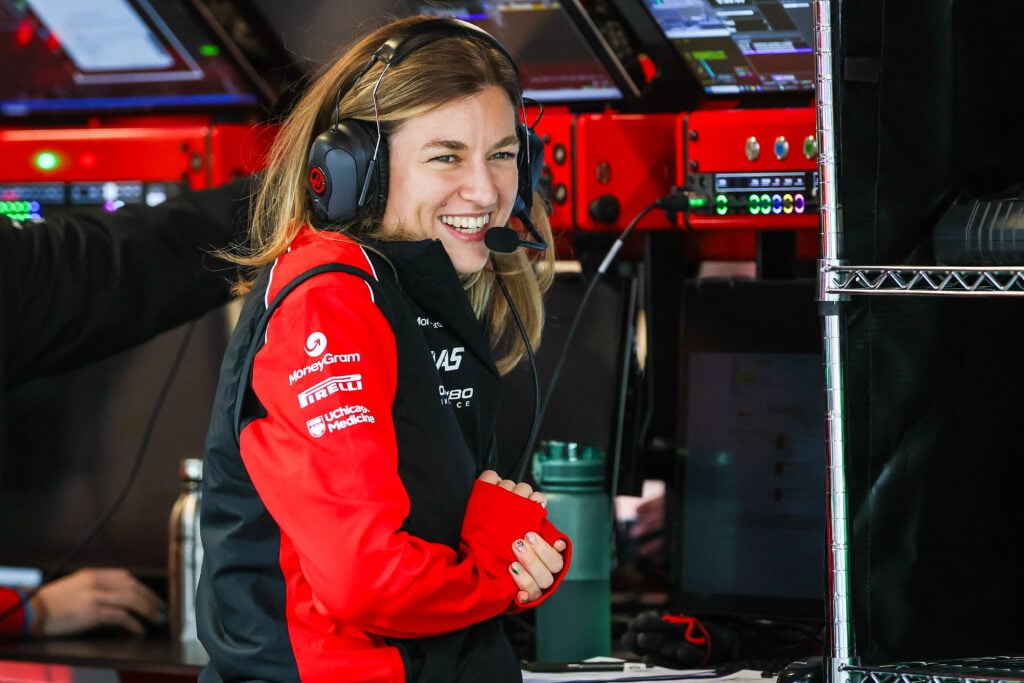
Engineering roles have also reached new milestones in recent seasons. In 2024, Haas confirmed that Laura Mueller would become the first female race engineer in Formula 1, highlighting the growing presence of women in technical positions across the paddock.
The next generation of women entering the sport
Formula 1 has also introduced new development initiatives aimed at supporting female drivers earlier in their careers. The F1 Academy championship was created to give young drivers structured experience in professional racing environments.
The championship produced its first title winner when Marta Garcia won the inaugural F1 Academy title in 2023, earning a funded opportunity to continue her progress in higher levels of junior single-seater racing.
Interest in the sport among female audiences is also increasing. Recent data by Formula 1 and the Motorsport Network shows that women accounted for 42 percent of Formula 1 fans worldwide, reflecting a shift in the sport’s global audience.
With women now visible across engineering departments, strategy teams, leadership roles and driver development programmes, their influence within Formula 1 continues to expand. The modern paddock increasingly reflects a broader range of contributions from women helping shape the future of the sport.
Receive exclusive football transfer news and updates twice a week to your mailbox