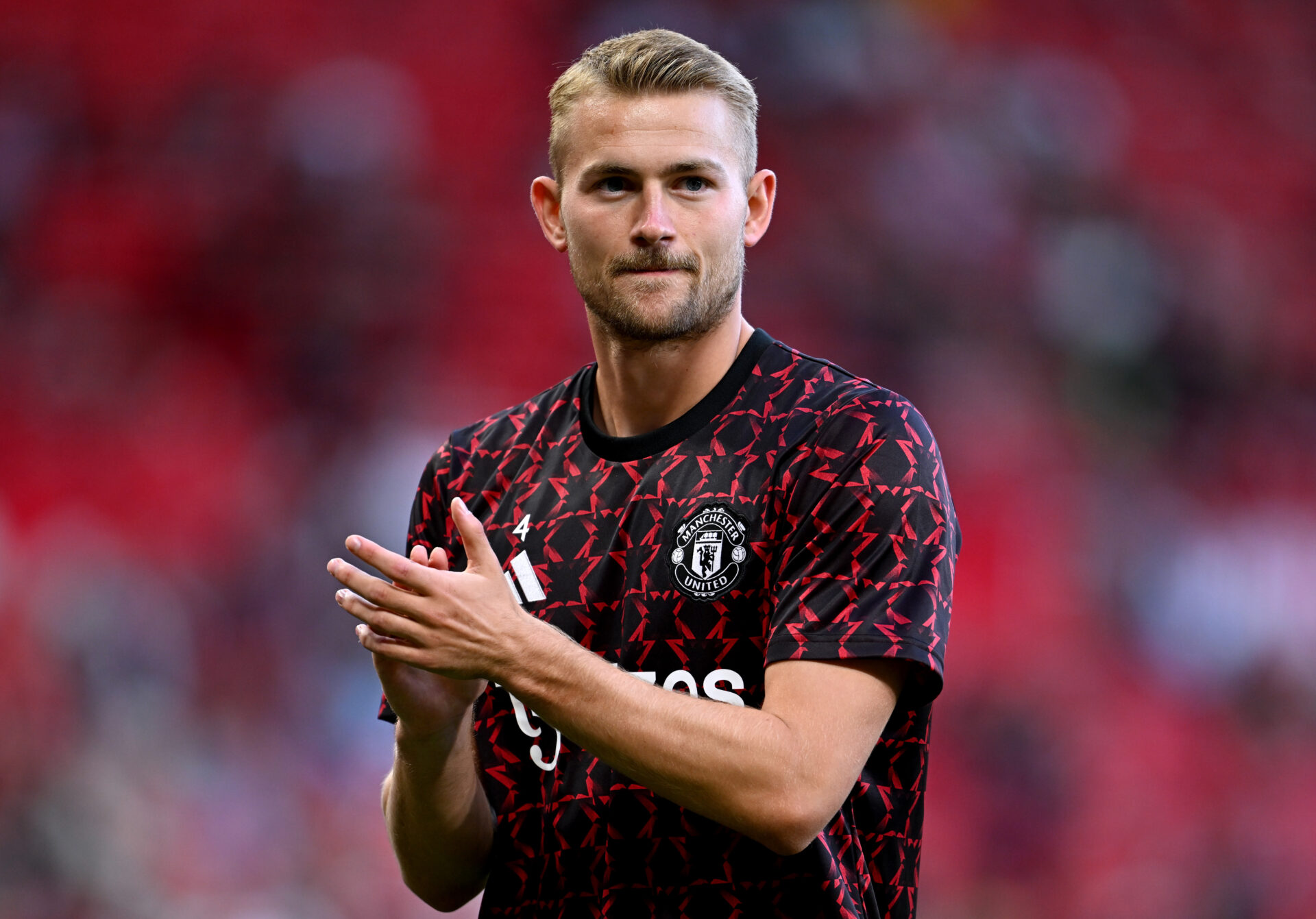

After playing his first Netherlands match in nearly a year, Matthijs de Ligt was quick to address the differences between his national team role and Ruben Amorim’s system at Manchester United.
Heading into the new season, plenty of people were curious to see if De Ligt could get back to the form that once had him drawing comparisons to Franz Beckenbauer.
Three months in, he has done more than that. The Dutch centre-back has established himself as a real leader at Old Trafford through both his play and presence.
Ronald Koeman responded by bringing him back into the Dutch squad, giving De Ligt another shot on the international stage after almost a year away.
Matthijs de Ligt on Ruben Amorim’s back three
Many expected De Ligt to play through the middle of Amorim’s back three, but as Harry Maguire became more important, the former Ajax defender moved over to the right side.
In United’s setup, wide centre-backs are asked to help with the build-up beyond just defending, and De Ligt has really made the most of that responsibility. But things were a bit different when he returned to international duty, since Koeman prefers a flat back four with full-backs.
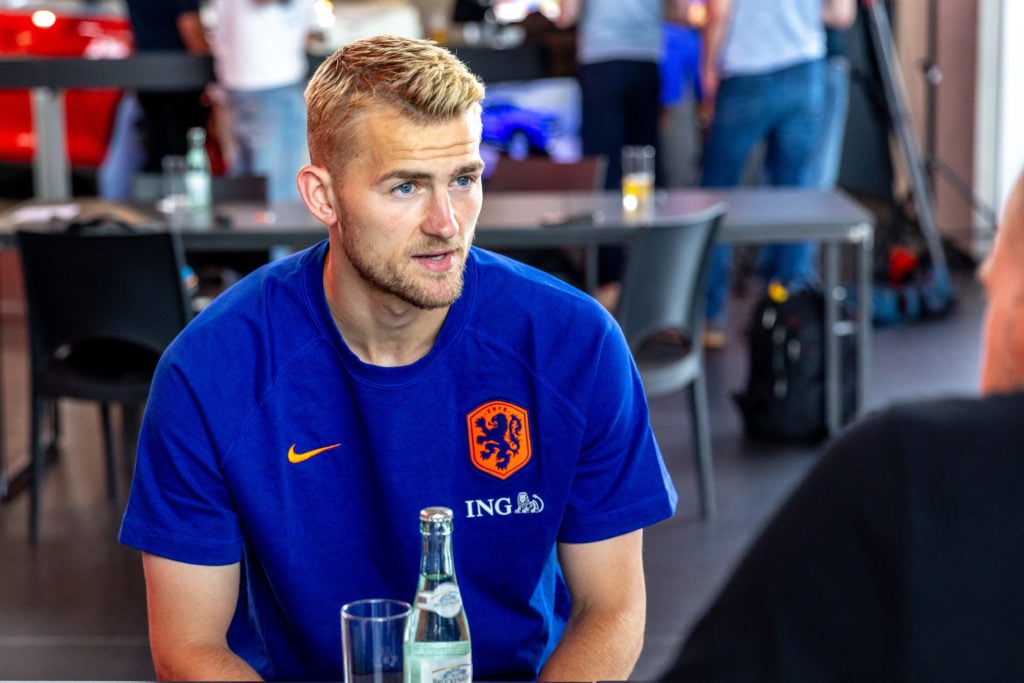
De Ligt played in a 4-0 win against Lithuania and looked comfortable in that setup. Afterwards, he spoke about how his experience with both systems has helped him adjust.
“We play with a five-man defence at Manchester United, but on paper, we defend with four. It didn’t feel awkward today; it felt the same as always. I can play in both systems. I’m more experienced with a five-man defence now; the more experience you have, the easier it gets,” the 26-year-old explained.
De Ligt’s flexibility gives United more options
The Dutch ace is not just comfortable playing in both a back three and a back four; he is capable of taking on different roles within those setups as well.
In a traditional back four, he can step forward to challenge attackers higher up the pitch or drop deeper to protect the area around the box.
When operating in a back three, De Ligt often plays centrally, acting almost like an additional midfielder when United have possession. But he is also effective when given the freedom to push wider and support attacks, where his passing ability becomes more noticeable.
He also provides leadership at the back, organising those around him and contributing with goals from set pieces.
And while United are still adjusting to their shape under Amorim, with defensive issues still lingering, De Ligt is already standing out. If the rest of the team start playing with more consistency, his influence could become even more significant.
Receive exclusive football transfer news and updates twice a week to your mailbox