
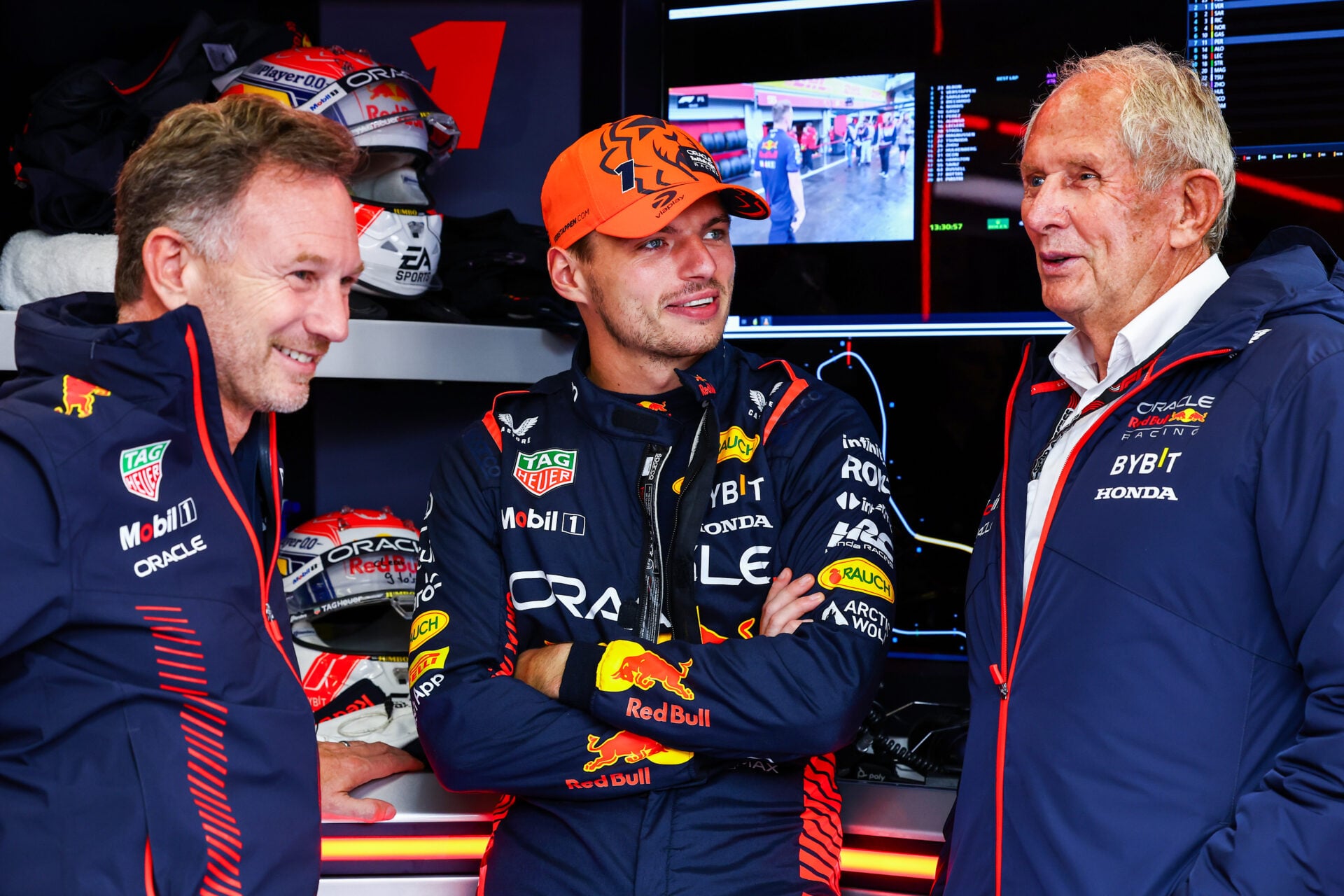

Helmut Marko’s blunt claim that Max Verstappen would have been champion if Christian Horner had been dismissed earlier is more than frustration — it matches Red Bull’s results.
The numbers, timing, and tone all point to a team that acted too late to save its season. Horner’s dismissal came in July 2025, halfway through the season, after two decades leading Red Bull.
The team’s early performances showed a visible decline, and internal pressure was building as Max Verstappen’s results faltered. Marko said the team delayed the inevitable, arguing that earlier action would have restored focus and unity sooner.
Performance surged after Horner’s removal
Under new team principal Laurent Mekies, Red Bull recovered momentum in the second half of the season. Verstappen won multiple late races, cutting what had been a triple-digit deficit to just two points by the finale. The turnaround supports Marko’s view that leadership instability, not driver form, was the true problem.
Verstappen lost the 2025 title by just two points to Lando Norris, despite a strong recovery and more race wins in the closing stages. His late surge under new management confirmed that Red Bull’s car and driver combination still had championship pace. Marko’s statement that Verstappen “would have been world champion if Horner had been dismissed earlier” reads as an evidence-based conclusion rather than emotion.
The Marko–Horner feud reveals how control eclipsed competition
Marko accused Horner of ‘lying’ and ‘dirty games’, describing an atmosphere where internal politics overrode racing priorities. The long-running power struggle after Dietrich Mateschitz’s death exposed competing visions within Red Bull. The improved stability following Horner’s exit showed how much performance depended on clear leadership rather than conflict.
Both men have now left the team, with Horner’s £80 million and Marko’s £8.7 million reported payouts marking an expensive end to one of Formula 1’s most successful partnerships. The financial details underscore how deep the fractures had become inside Red Bull’s structure.
Red Bull’s 2025 story was not about rivals catching up. It was about a team losing its internal balance. Marko’s conviction that quicker change could have delivered Verstappen’s fifth title fits both the timeline and the data. The lesson is clear — even dominant teams can lose when leadership politics outrun performance.
Receive exclusive football transfer news and updates twice a week to your mailbox