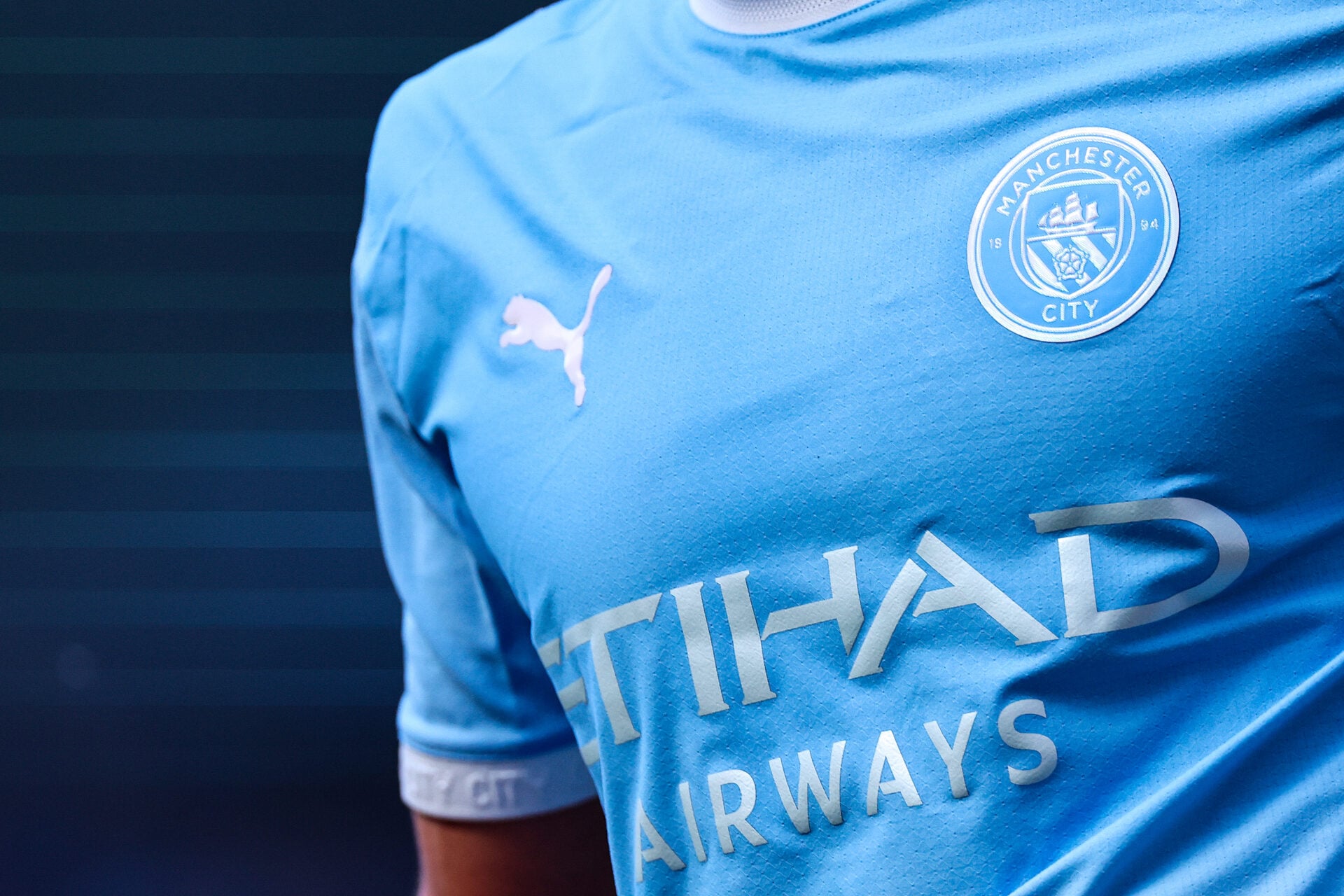

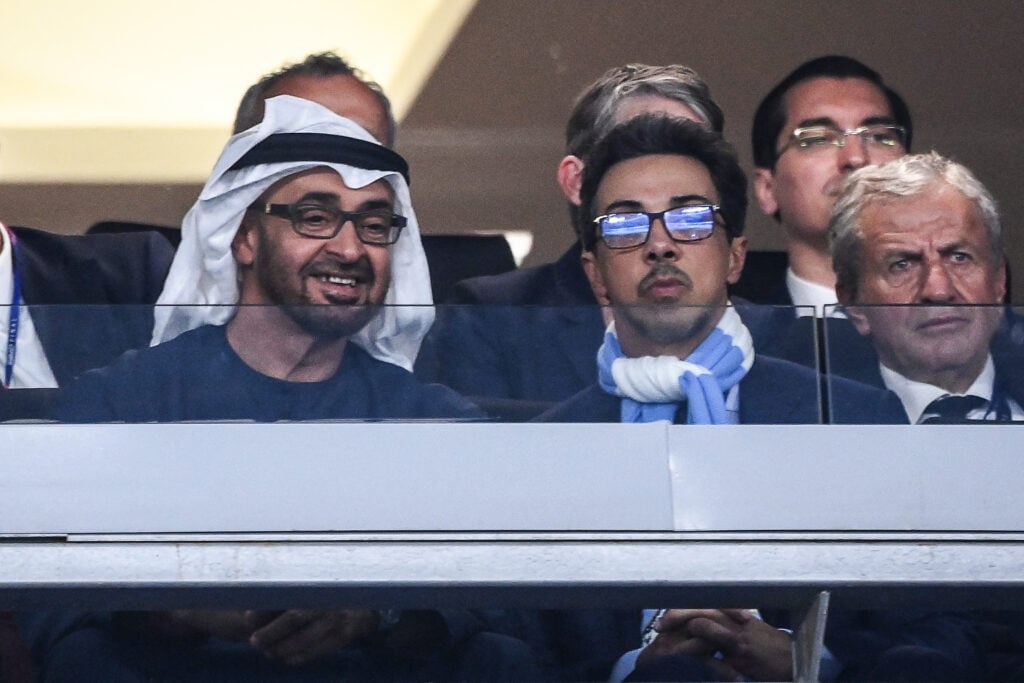
Manchester City’s owners are Abu Dhabi royalty and their near-two decade odyssey in football reflects the ambitions, scale and resources that only a nation state can wield.
When Sheikh Mansour bought the club back in 2008, their initial strategy was to simply outspend the competition and poach players for direct rivals, as the Arsenal fans who saw swathes of their best players leave the Emirates for the Etihad Stadium can attest.
But as time went on, City’s approach became more sophisticated. In the end, they decided they wanted to become football’s first true multinational.
In 2013, a year after they had claimed their first Premier League title, City Football Group was formed. The MLS’s New York City were their first acquisition outside of Manchester, followed by clubs on every continent besides Africa.
The most recent purchase was Bahia Esporte in 2023. But the last six months have seen City Football Group divest their interests in two clubs: Mumbai City and Yokohama F. Marinos.
Mumbai City, who won India’s top flight twice under Abu Dhabi ownership, were sold in December 2025. And last week, City sold their 20 per cent stake in the five-time Japanese champions Marinos, though they will stay on as a partner club.
To some commentators, selling two clubs in such a short space of time was seen as an admission that the multi-club model has outlived its usefulness.
In recent years, investors, many of them buoyed by City’s success in the multi-club market, have flocked to the model as a means to pool costs and revenues, take advantage of recruitment synergies and hedge risk across multiple clubs.
But there have been several high profile missteps in the multi-club world of late, particularly in the Premier League, and the model is not quite as in vogue as it once was.
So, are City Football Group set to continue scaling back? HITC spoke exclusively to football finance expert Professor Kieran Maguire for his view.
“It has been an interesting experiment for City Football Group but it hasn’t generated returns,” said Maguire, addressing the £292m loss that the holding company made in the last financial year in the context of the two recent sales.
“Now, they look like they are going back to focusing specifically on sport. They have been spinning one too many plates. Why allocate 15 per cent of your time or whatever it is to Mumbai and Japan when all the global focus and revenue comes from Manchester City?
“The multi-club model as a whole had some interesting benefits but most investors are now pulling away from it.”
Receive exclusive football transfer news and updates twice a week to your mailbox