
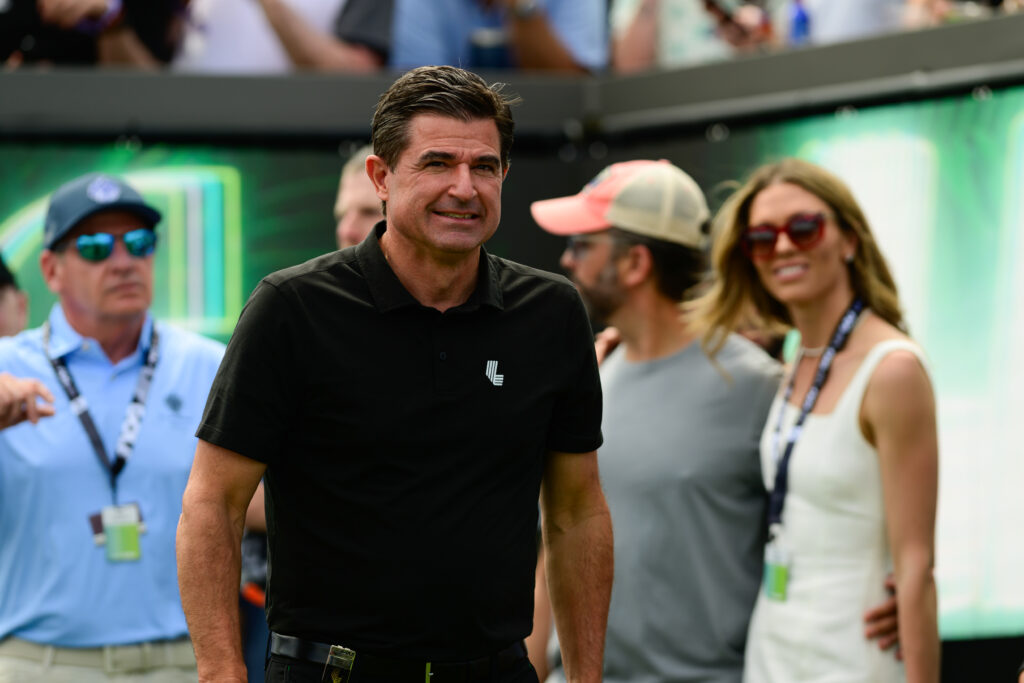
Scott O’Neil wants the golfing world to believe that LIV Golf has entered its stable, sustainable era.
O’Neil speaks in the language of growth and strategy, pointing to sponsorships and structure rather than rebellion.
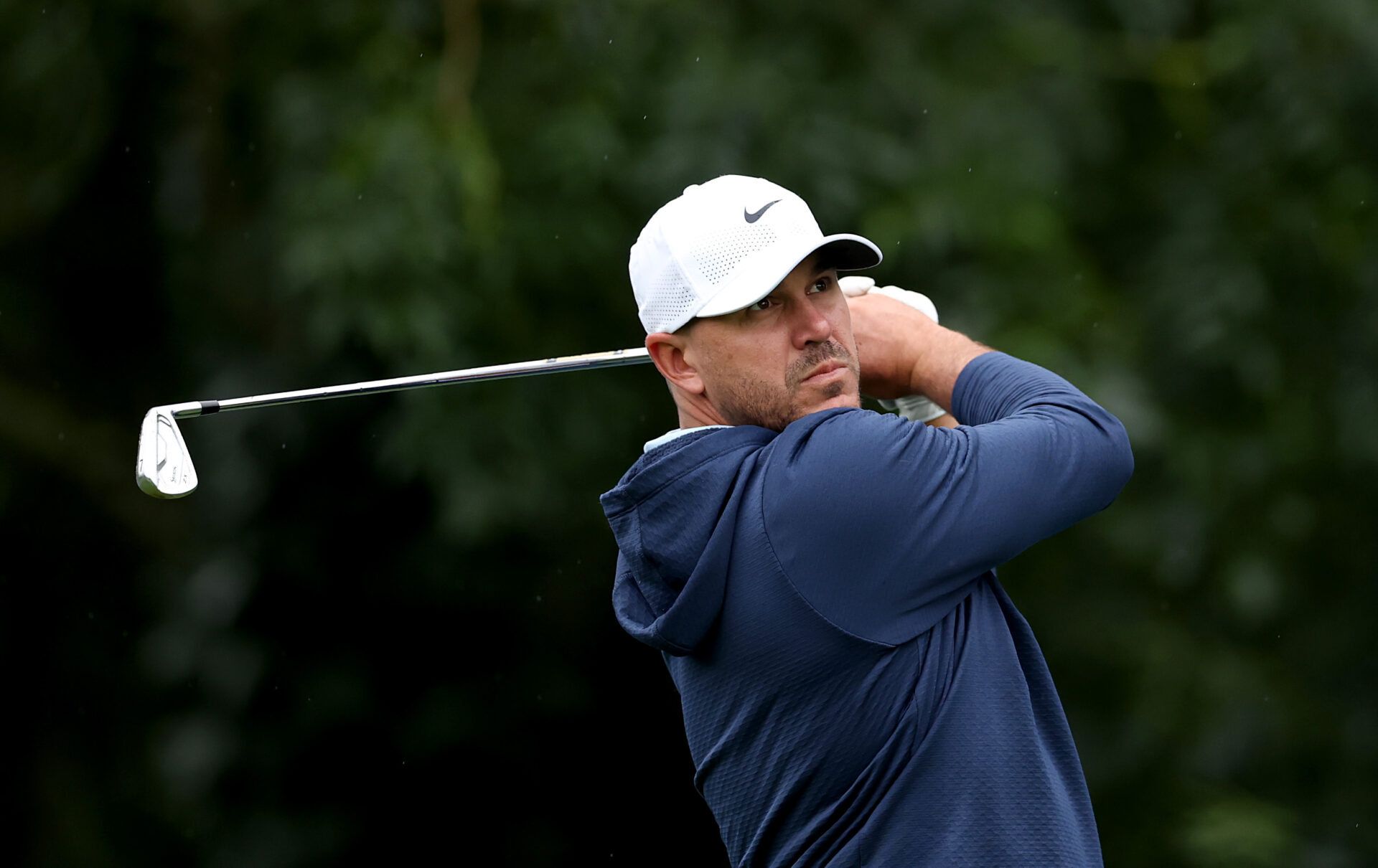
Yet beneath the optimism lies an uncomfortable truth. Brooks Koepka, one of LIV Golf’s few major-winning figures, is reportedly reconsidering his future.
And for all of O’Neil’s talk of global expansion and reform, the league’s credibility still depends on stars who lend it legitimacy – and Koepka sits at the top of that list.
Scott O’Neil’s LIV Golf optimism hides a fragile foundation
Speaking to the Sports Business Journal, O’Neil described his first year with LIV as a success story, highlighting partnerships with HSBC and Salesforce as proof of progress.
The upcoming shift to a 72-hole format in 2026 also signals a move toward legitimacy – aligning LIV events with the major calendar and improving chances of ranking-point approval.
Still, the business infrastructure may be maturing, but LIV’s identity continues to rest on personalities rather than partnerships.
In golf, credibility is earned through champions, and O’Neil’s long-term model only works if players like Koepka, Dustin Johnson, and Bryson DeChambeau remain the faces of the movement.
Without them, the commercial foundation he’s building begins to look like an empty shell.

Brooks Koepka’s uncertainty exposes LIV Golf’s reality
That tension came into focus when the SBJ’s report suggested Koepka might not return for the 2026 season.
His contract runs out at the end of next year, and speculation around his next step has already stirred debate about loyalty within the breakaway league.
Koepka is more than a team captain – he’s one of the few players whose presence bridges both eras of the sport, from major dominance to LIV’s experiment in disruption.
Losing him would be more than a personnel hit. It would challenge the narrative that LIV’s model is working.
O’Neil’s corporate optimism cannot hide that LIV’s relevance relies on a few names who carry the sport’s cultural weight.
If one of them decides to walk away, the ‘new world order’ O’Neil envisions may prove more fragile than he’s willing to admit.
Receive exclusive football transfer news and updates twice a week to your mailbox