
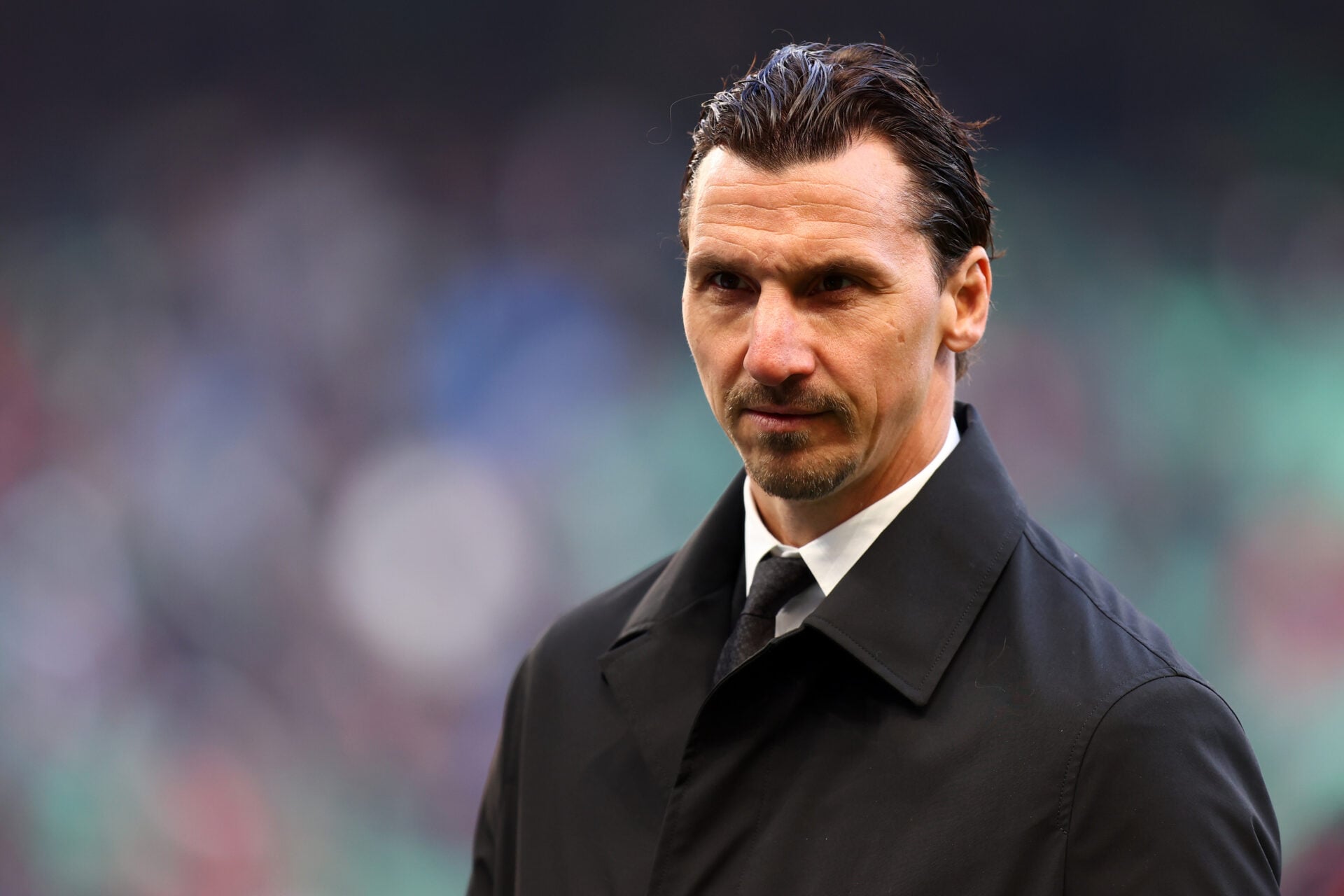

Zlatan Ibrahimovic and Europe’s biggest football clubs are backing the NBA’s bold push into Europe, a project that could reshape global basketball and cost investors up to one billion euros to join.
The proposed ‘NBA Europe’ league marks one of the most ambitious cross-sport ventures in recent years, with Manchester City, Real Madrid, and AC Milan all among those exploring involvement.
The NBA has been in discussions with investors, sponsors, and sporting giants as it develops plans for a European competition that could launch as early as the 2027–28 season. Early proposals suggest a 12-to-16 team structure, featuring a mix of established basketball sides and football clubs expanding into the sport.

Zlatan Ibrahimovic and Europe’s elite join the NBA pitch
Ibrahimovic attended a closed-door NBA presentation in London alongside representatives from Manchester City, Real Madrid, Barcelona, Bayern Munich, and AC Milan. Private equity firms, including JP Morgan, KKR, and Raine were also present, signalling the scale of global interest.
“I’m a believer that if NBA comes with a business case and a business model and can combine it with European fans, it will be a perfect match,” Ibrahimovic said. “That’s why we are here — to make it successful and to make it magic, because we believe in it.”
NBA legends Tony Parker, Pau Gasol, and Steve Nash also attended, underlining the project’s growing legitimacy. NBA commissioner Adam Silver called the expansion a “decade-long project” designed to bring the sport’s elite competition closer to its fastest-growing fanbase outside North America.
The billion-euro buy-in and European basketball’s new frontier
According to reports, prospective NBA Europe investors will be charged an entrance fee between 500 million and one billion euros, depending on market size and franchise potential. The league would include cities such as London, Manchester, Paris, and Berlin: each seen as crucial to the NBA’s global growth strategy.
Silver has said the league’s early success will be measured by audience growth and cultural impact rather than profit. Matches could initially be played in smaller arenas while larger, purpose-built venues are developed. London, tipped to serve as a “model city”, could host one of the flagship franchises given its global influence and established NBA fanbase.
The plan has drawn criticism from EuroLeague chief executive Paulius Motiejunas, who warned it could “hurt rather than help” European basketball’s current structure. But for now, momentum is building, and the combination of NBA branding, football finance, and celebrity backing could prove transformative.
For Ibrahimovic and others in the room, the pitch is clear: if the NBA’s American model can merge with Europe’s sporting passion, the result could be the continent’s next billion-euro game changer.
Receive exclusive football transfer news and updates twice a week to your mailbox