
Manchester United have found themselves right in the middle of growing tensions over ticket prices in English football.
Football tickets have become steadily more expensive since 1992, with some reports suggesting prices are up by as much as 800 per cent since the Premier League began. For contrast, general inflation over the same period is just over 100 per cent.
Increasingly, clubs are pointing to Profit and Sustainability Rules (PSR) as the reason for these hikes. This has led some experts to suggest matchday income should be given some form of amnesty under English football’s financial regulations.
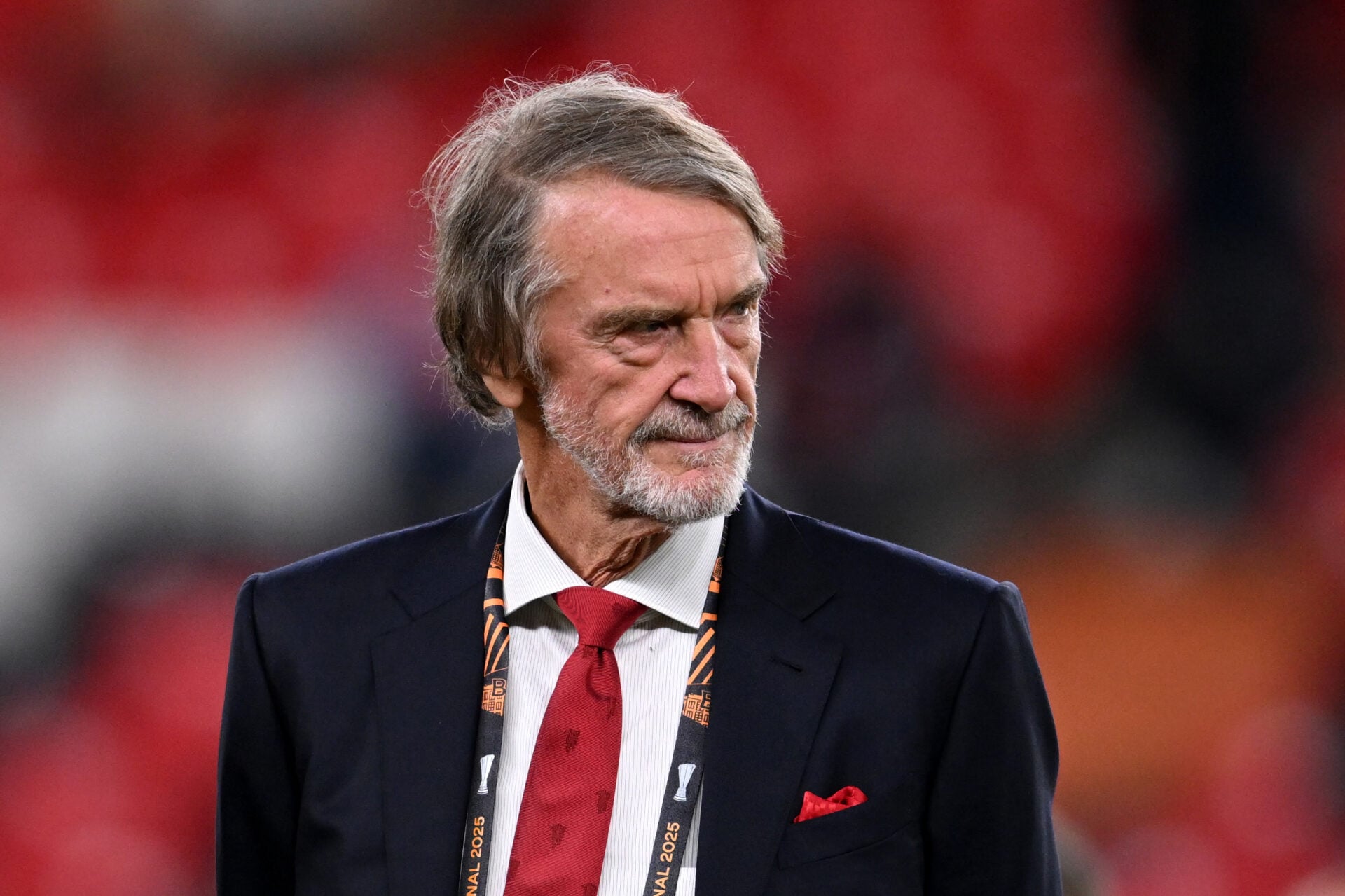
Since Sir Jim Ratcliffe bought into Manchester United, the club has often cited PSR as the reason behind rising costs for match-going fans, as well as behind the recent purge of over 400 Old Trafford staff.
PSR generally works on a rolling three-year window. The system was designed to make football more financially responsible – and according to the Premier League, it has already achieved that objective.
The Premier League now operates PSR differently to UEFA’s rules. Under Premier League guidance, clubs are limited to losing no more than £105m over a moving three-year period unless those losses are covered by the club’s owners.
Until recently, that explanation at least made some sense, even if the actual financial gain from raising general admission prices (something United have done now for three years running) was minimal.
But this summer it was revealed that United’s PSR calculations weren’t based on Manchester United PLC’s accounts, but on those of Red Football Limited instead. Importantly, Red Football’s recent losses are significantly smaller, suggesting PSR is not an immediate issue even without any European football in 2025-26.
Sir Jim Ratcliffe can’t blame ticket prices on PSR – it’s a cash issue
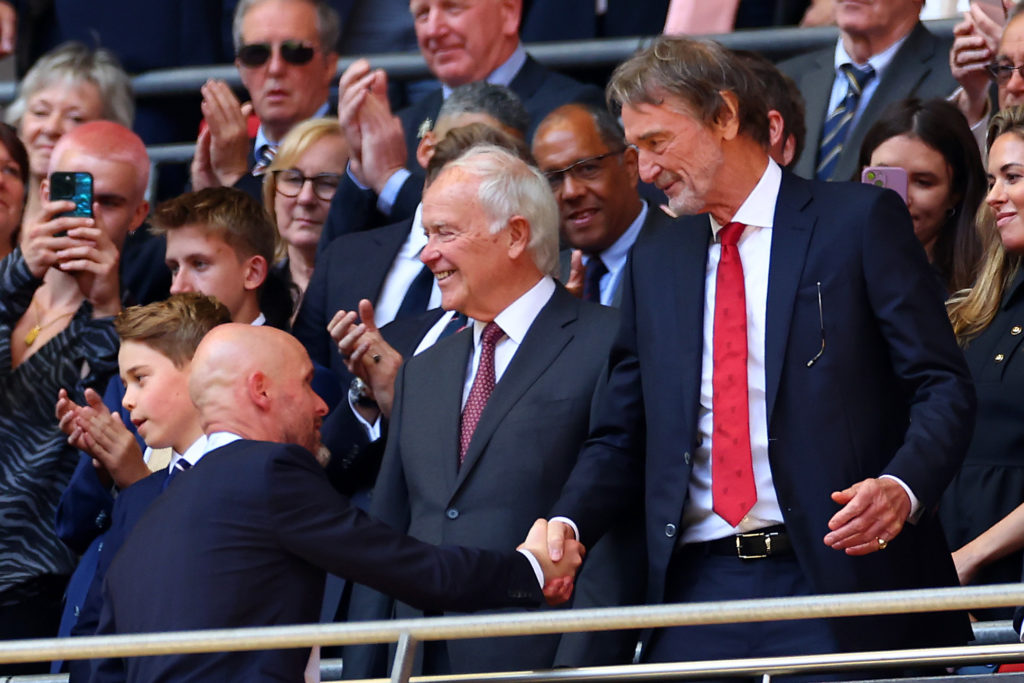
This controversial decision is more about cashflow and Ratcliffe’s stated aim of continuing to increase matchday income. As CEO Omar Berrada recently explained, the mid-season price hike that led to protests in 2024-25 was due to general rises in operating costs.
Berrada took responsibility for the increase, saying in an interview that the club should have communicated the change better. Yet only days later, United introduced a new pricing structure – which the Manchester United Supporters Trust called “a kick in the teeth.”
The fan backlash has been noticeable, especially given that the club has already spent heavily in the early transfer window, landing Matheus Cunha and moving closer to signing another big target. Financial restrictions clearly aren’t stopping spending moves.
- READ MORE: MUTV pundit tips Manchester United signing to make instant impact with ‘wonderful’ qualities
Ineos are turning Old Trafford into ‘Disneyland’, suggests finance expert
“From a pure business point of view, hiking ticket prices makes an awful lot of sense,” picked out University of Liverpool football finance lecturer Kieran Maguire, speaking exclusively to United in Focus.
From a business perspective, moving tickets to general sale also aligns with “dynamic pricing” strategies for improved clarity that other major clubs, like Chelsea, have already embraced.
“Under the Glazers, season ticket sales were frozen for about 11 years. That decision hasn’t found favour with the new owners. They want to significantly increase matchday income.
“Pre-Covid, they [Manchester United] were at about £110m. Now they’re around £130m. So from a business point of view, you can see the logic.
“Man United are a tourist club – and that is not denigrate the hardcore element of the fanbase, who I completely separate from that analysis. But those people have outlived their usefulness as far as Ineos are concerned.
“You don’t hear complaints about how much it costs to go to Disneyland, and those prices go up every year. That’s where Man United want to position themselves. It’s about an experience and you price your tickets accordingly.”
Man United were already at the top of matchday income rankings
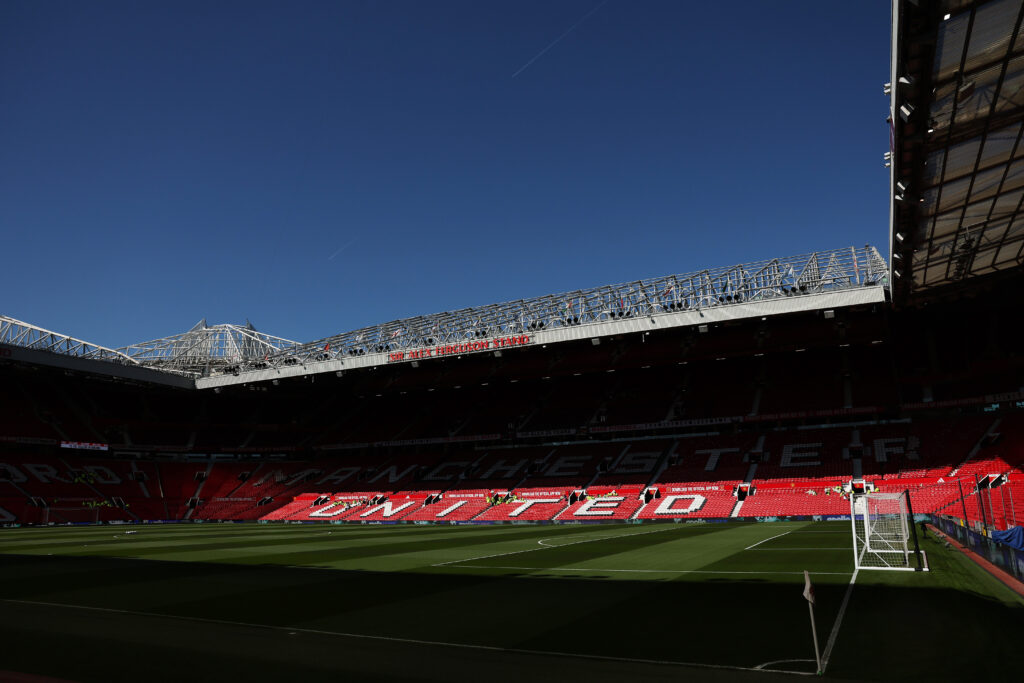
In the 2023-24 season, the most recent year with a complete data set, United held onto the top spot for matchday income, bringing in £137m, just ahead of Arsenal’s £132m. But with the Gunners’ continued presence in the Champions League, that gap may have already closed, if not reversed.
While matchday income was once seen as the least important of the three main revenue streams for clubs (alongside commercial and media), it’s now viewed as an area where clubs can capitalise on large global fanbases.
Plans for a 100,000-seater Old Trafford might be dropped
Ineos’s ambitions to extract more cash from Manchester United’s global fanbase – which the club says tops a billion fans – are driving forward plans to replace Old Trafford entirely, rather than renovate it.
The club has unveiled plans for a 100,000-seater stadium next to the current ground, which would then be demolished to make way for a huge commercial development.
However, there are rising concerns over the viability of such an ambitious project. According to a UIF source within the stadium design industry who has seen early blueprints (including those not yet public), the chances of the project becoming a reality are slim.
At a proposed capacity of 100,000, the same source noted that construction costs would be “sky-high,” and that the seats furthest from the pitch – the hardest and most expensive to build – could also prove the hardest to sell.
With the club already carrying over £700m in debt, much of which will be refinanced at higher interest rates after the 2026-27 season, the financing of this new stadium remains a major unsolved question – even before ticket prices for it become an issue.
Receive exclusive football transfer news and updates twice a week to your mailbox