
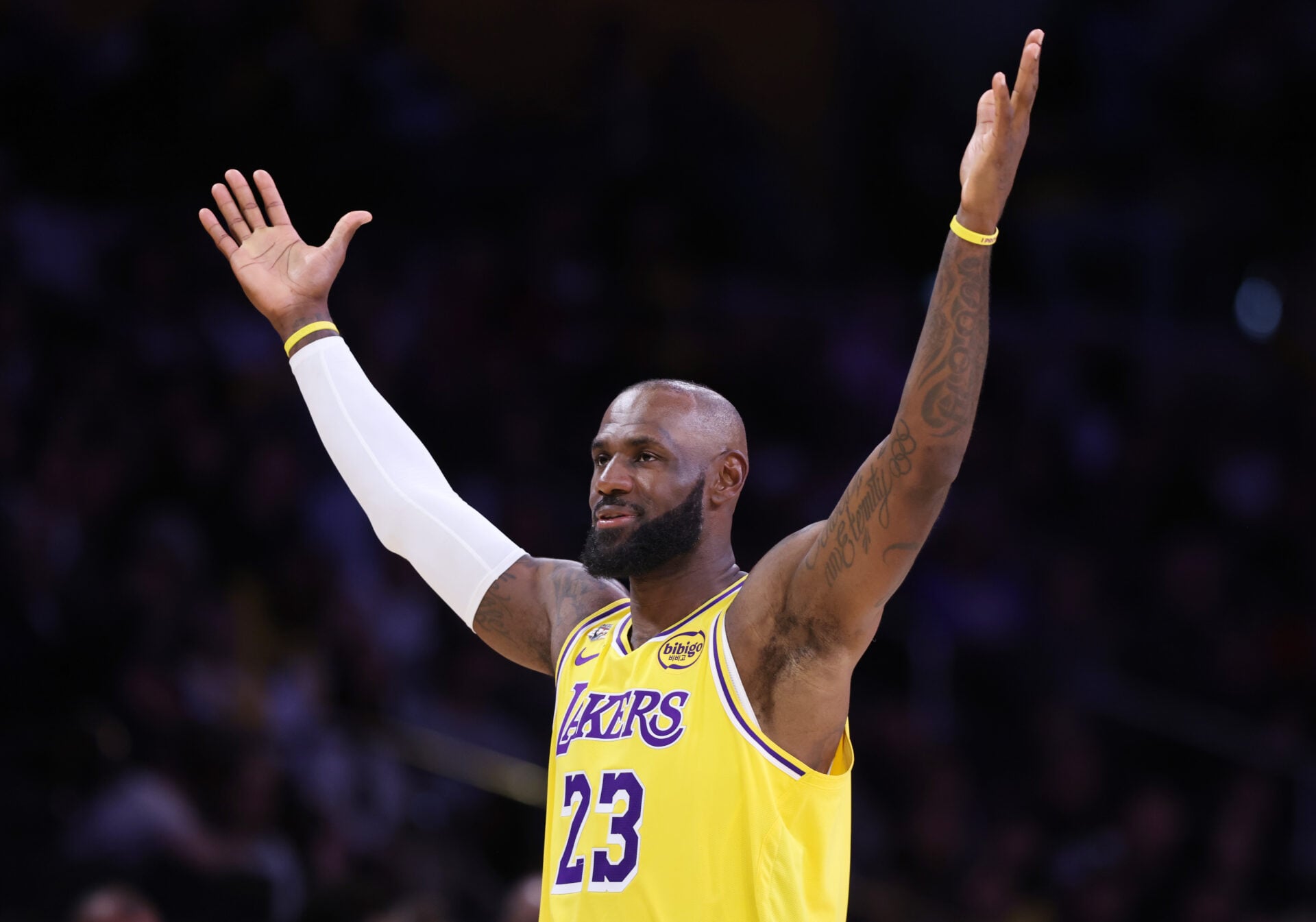

LeBron James has been placed at the centre of a possible Golden State Warriors offseason scenario after Sam Amick discussed the Los Angeles Lakers’ chances of keeping both James and Austin Reaves on 18 June 2026.
Amick said there was a 6-out-of-10 chance that the Lakers bring back both James and Reaves.
That left room for a more complicated question. If Reaves receives a major new deal, the Lakers may have to consider how much money is left to make James feel properly valued.
Amick framed that issue directly. He said that if Austin gets paid, there may be not enough money for LeBron to feel respected, before adding that he could see James going up the coast to the Warriors.
That does not mean a move is likely. It does explain why Golden State has entered the conversation.
Why LeBron James to the Warriors is being discussed
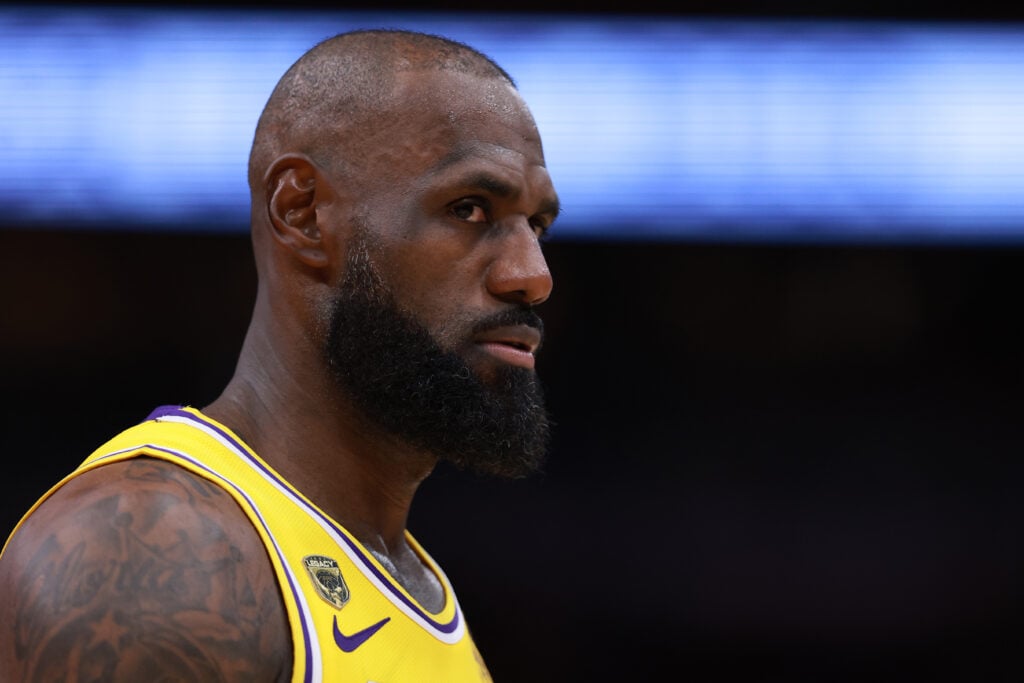
The starting point is Reaves. Austin Reaves’ contract situation matters because his next deal could affect how much financial room the Lakers have around James.
Reaves has become one of the Lakers’ central offseason questions. His market matters because his next deal could shape the Lakers’ flexibility.
That is where James fits into the story. Amick did not report that James has demanded a move to Golden State.
He raised a scenario based on how the Lakers handle their money. That distinction is important.
The Warriors are relevant because they offer a clear basketball fit. James beside Stephen Curry would be one of the biggest star pairings in NBA history.
But the reporting around Golden State is still cautious. The Warriors reportedly expect James to return to the Lakers.
That makes this a route to explain, not a move to present as imminent. The Warriors link only becomes realistic if the Lakers fail to settle the financial and personal side of James’ return.
The route would likely require a major LeBron James pay cut
The simplest Warriors path is not a normal max-salary pursuit. Golden State’s clearest mechanism would be the non-taxpayer mid-level exception.
That route would require James to accept a much smaller salary than the Lakers could offer. That is why the Golden State route remains financially narrow.
It would also create complications for the Warriors. Using the full exception would likely bring hard-cap considerations, while apron restrictions would still matter.
A trade or sign-and-trade route would not be simple either. Golden State would need to match salary and stay within the limits created by the current NBA collective bargaining agreement.
The Lakers are also positioned to offer James more money than the Warriors can through that route. Golden State’s best financial path would sit far below what the Lakers could offer.
That is the central obstacle. For James to end up with the Warriors, the move would likely have to be driven by destination, fit and preference more than salary.
The scenario is possible to explain, but it should not be overstated. Golden State only becomes a credible landing spot if James is prepared to take less, and if the Warriors can manage the cap consequences that would follow.
Receive exclusive football transfer news and updates twice a week to your mailbox